高等学校化学学报 ›› 2026, Vol. 47 ›› Issue (2): 20250294.doi: 10.7503/cjcu20250294

• 物理化学 • 上一篇    下一篇

碳酸酯类溶剂对钠离子电池硬碳负极电化学性能的影响机制

陶睿敏, 李添奕, 茹梦令, 陈爽, 崔永莉()   

  1. 中国矿业大学材料与物理学院, 徐州 221000
  • 收稿日期:2025-10-15 出版日期:2026-02-10 发布日期:2025-11-21
  • 通讯作者: 崔永莉 E-mail:cuiyongli@cumt.edu.cn
  • 基金资助:
    中国矿业大学国家级重点支持大学生创新训练计划项目(S202510290276);中国矿业大学大型仪器设备开放共享基金(DYGX-2025-62)

Influence Mechanism of Carbonate Solvents on the Electrochemical Performance of Hard Carbon Anodes in Sodium-ion Batteries

TAO Ruimin, LI Tianyi, RU Mengling, CHEN Shuang, CUI Yongli()   

  1. College of Materials and Physics,China University of Mining and Technology,Xuzhou 221000,China
  • Received:2025-10-15 Online:2026-02-10 Published:2025-11-21
  • Contact: CUI Yongli E-mail:cuiyongli@cumt.edu.cn
  • Supported by:
    the China University of Mining and Technology's National Key Support Program for Undergraduate Innovation Training Project(S202510290276);the Open Sharing Fund for the Large-scale Instruments and Equipments of China University of Mining and Technology(DYGX-2025-62)

摘要:

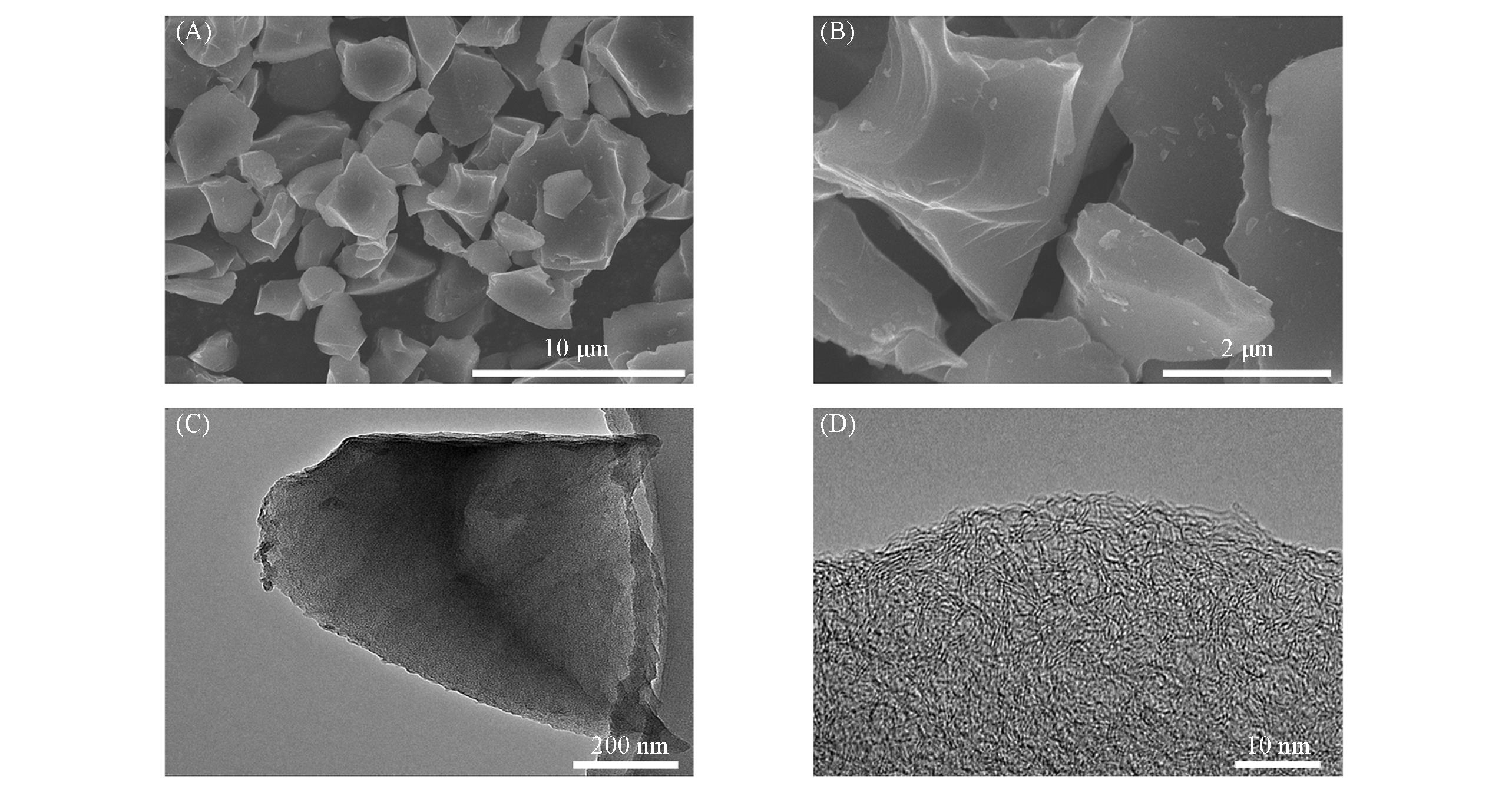
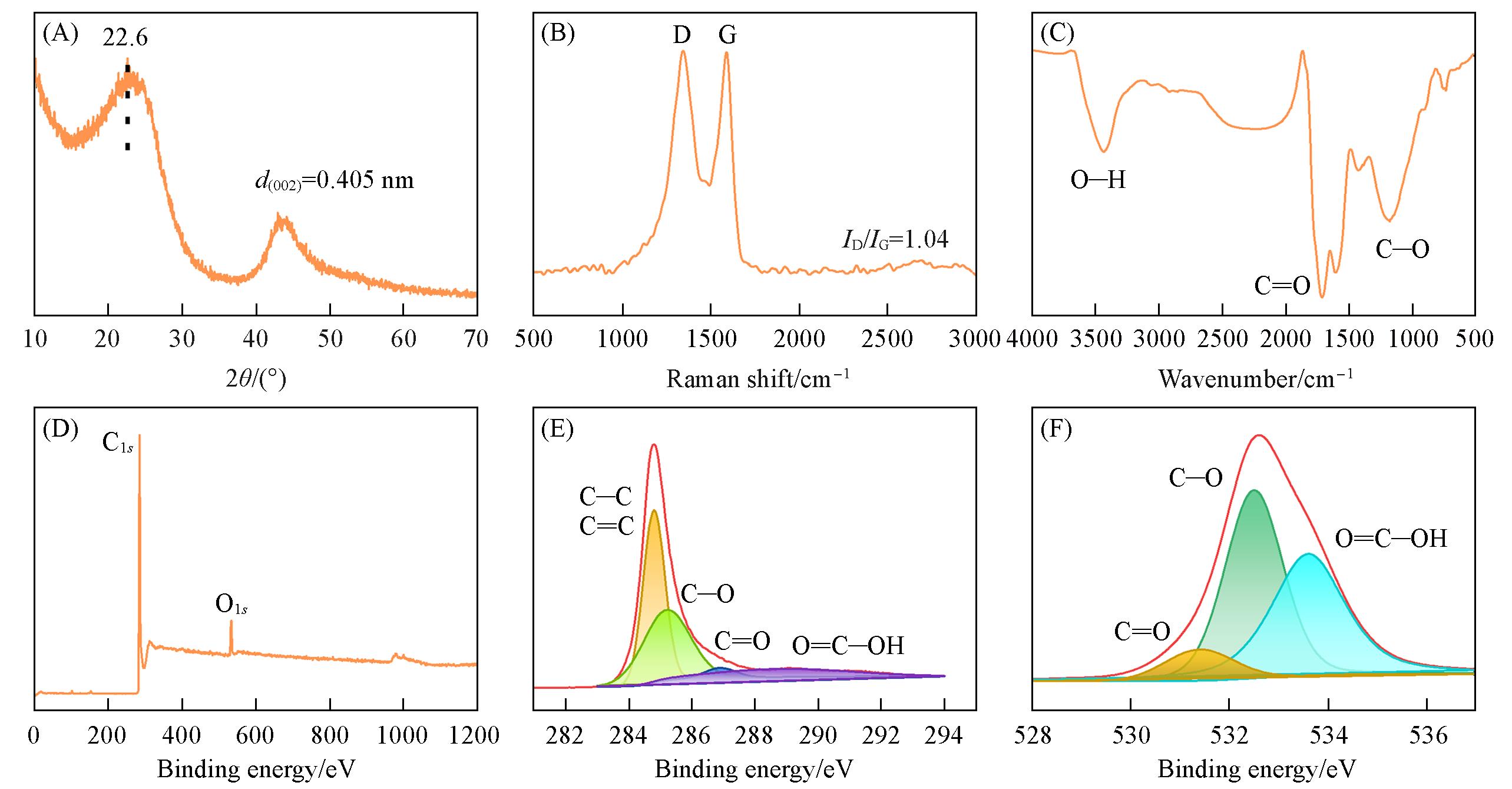
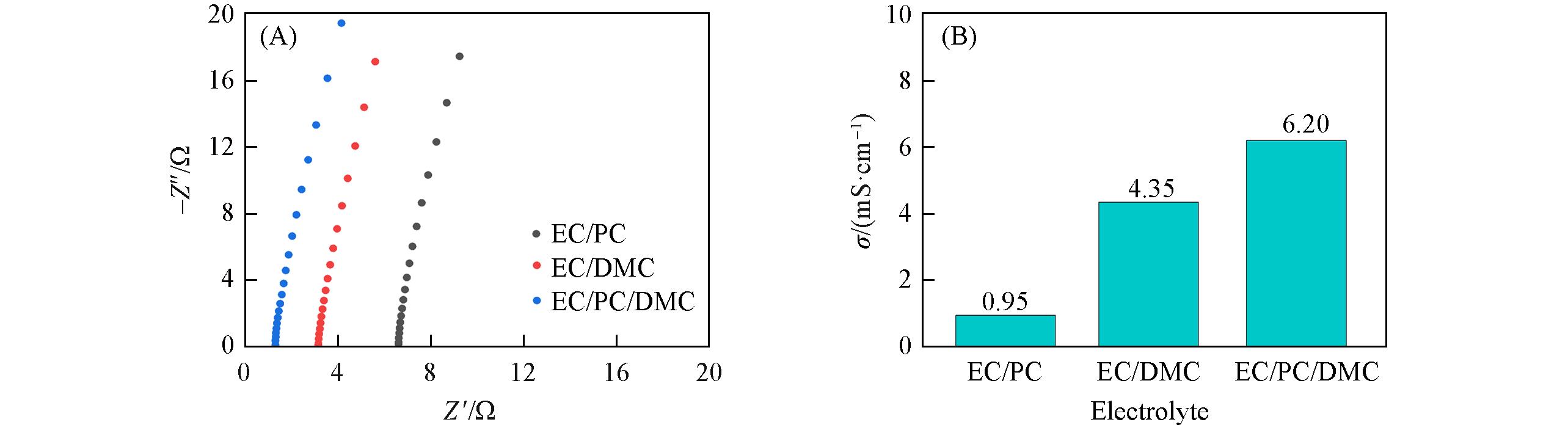
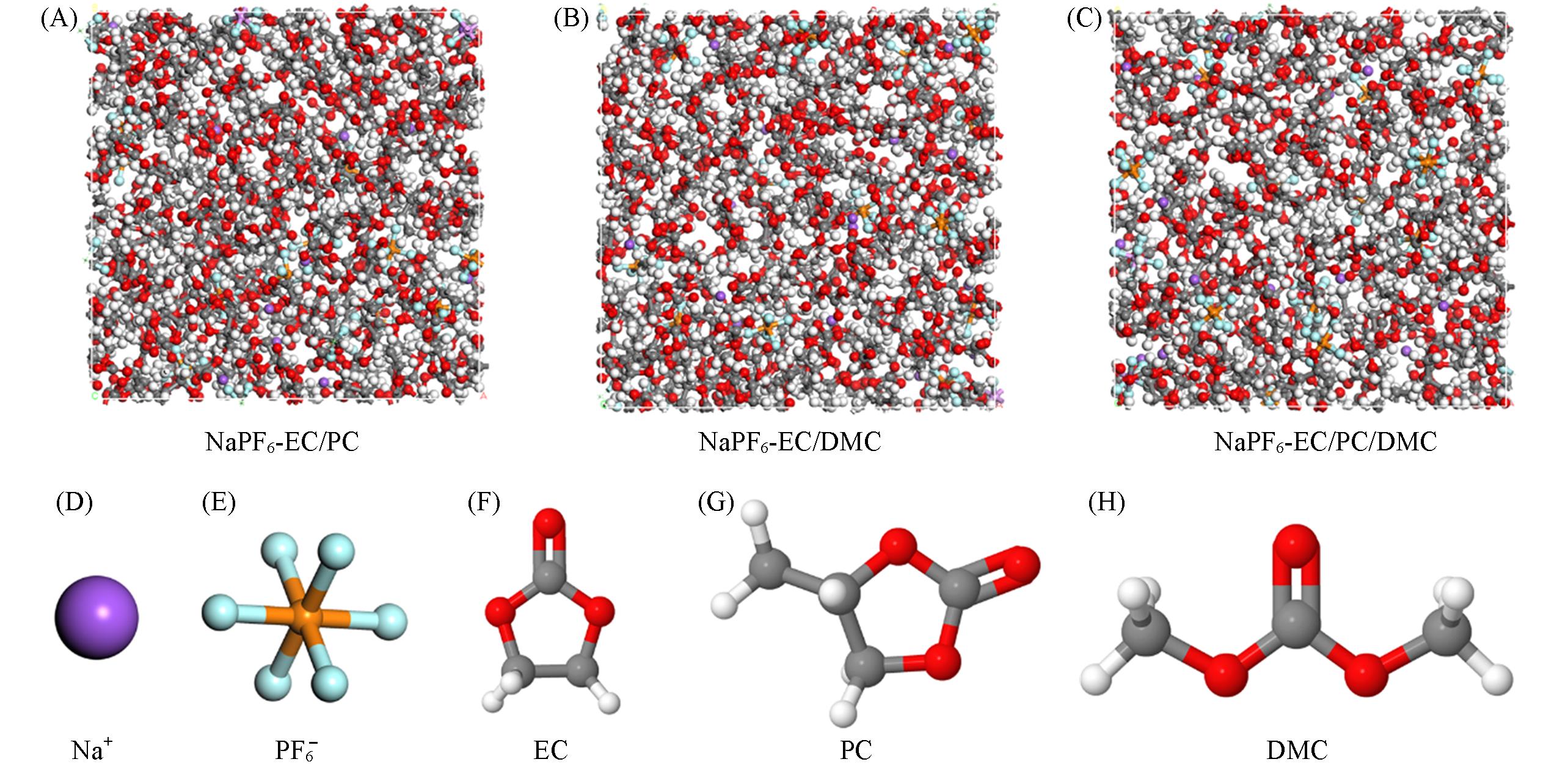
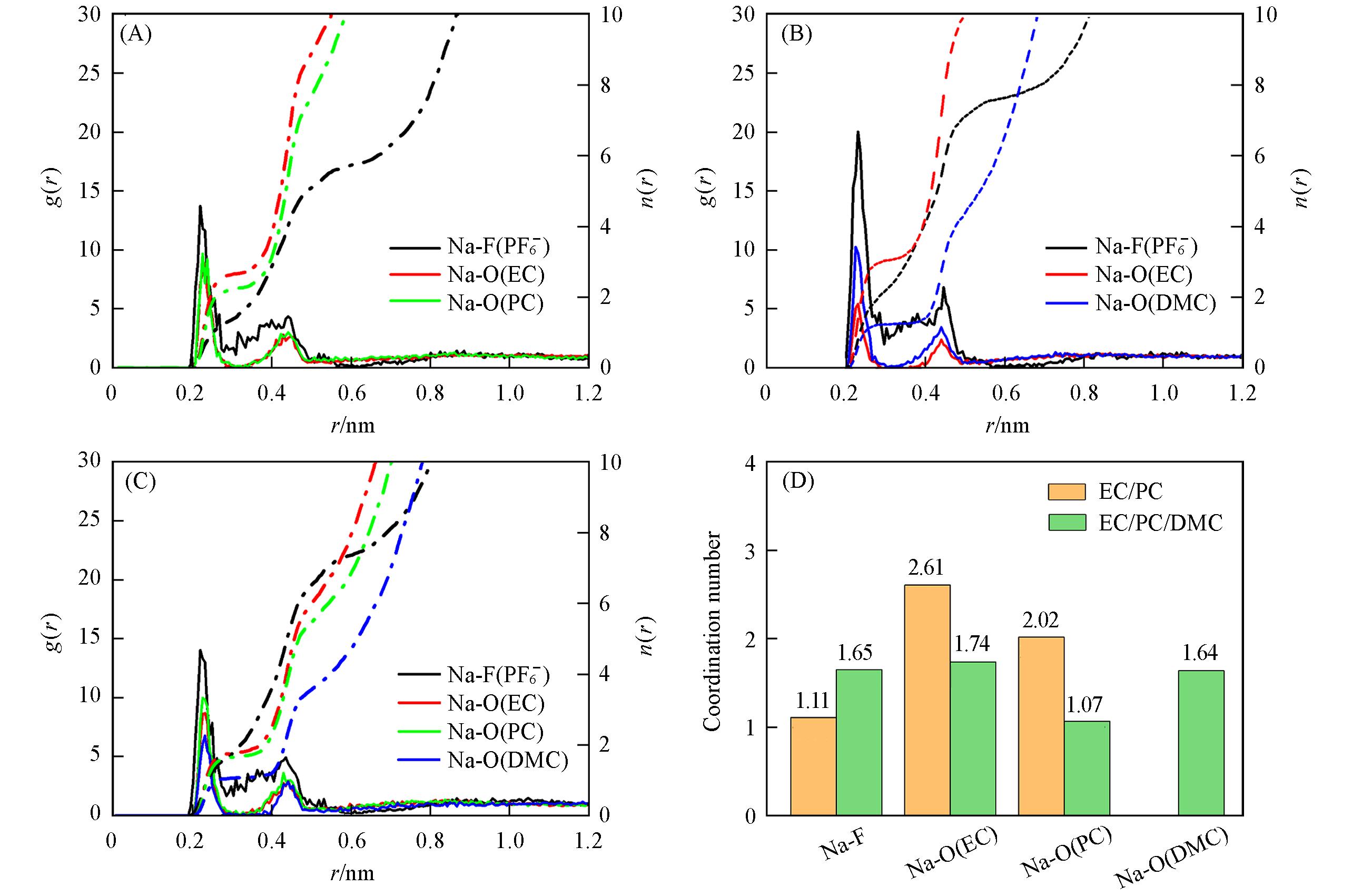
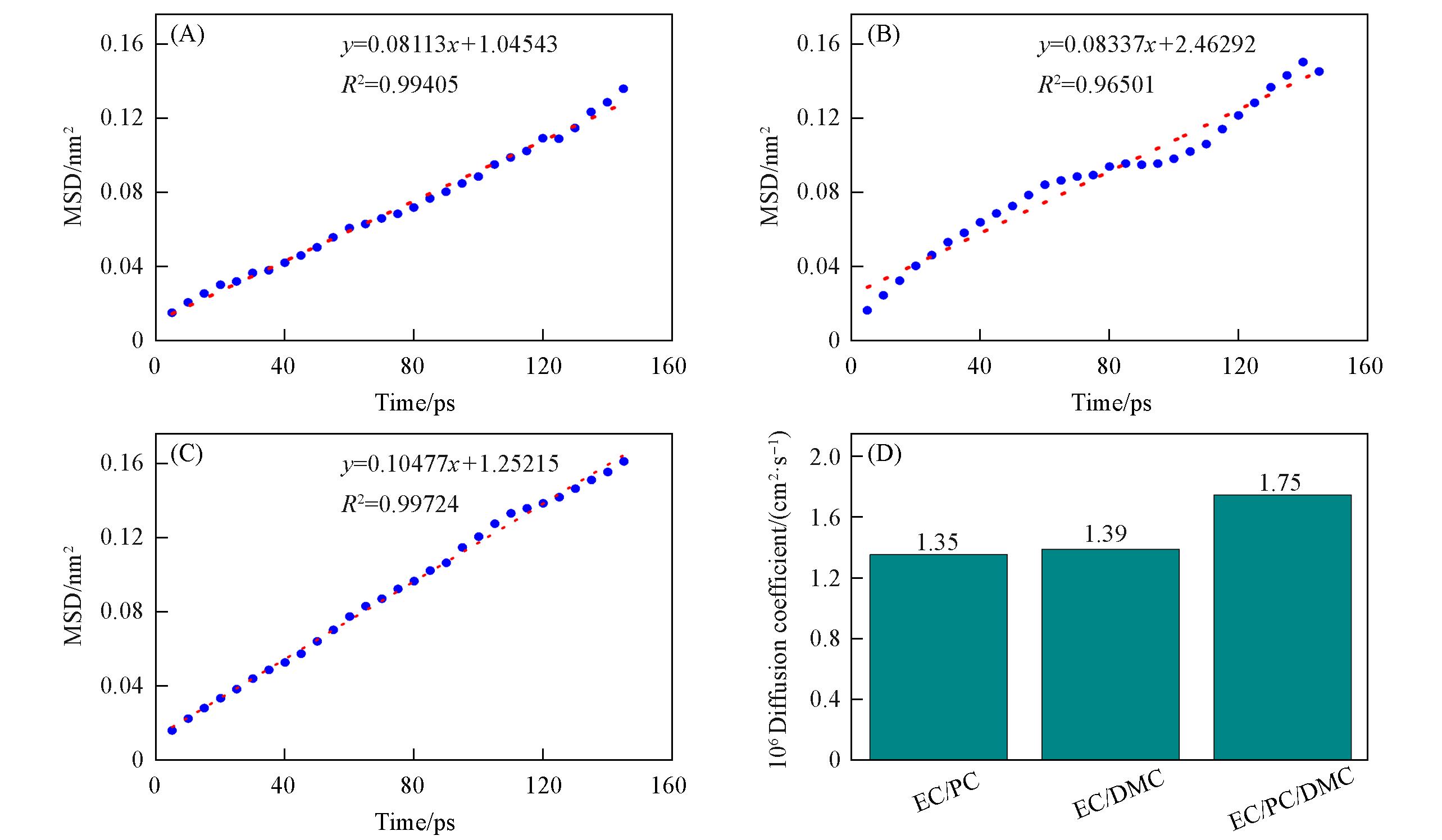
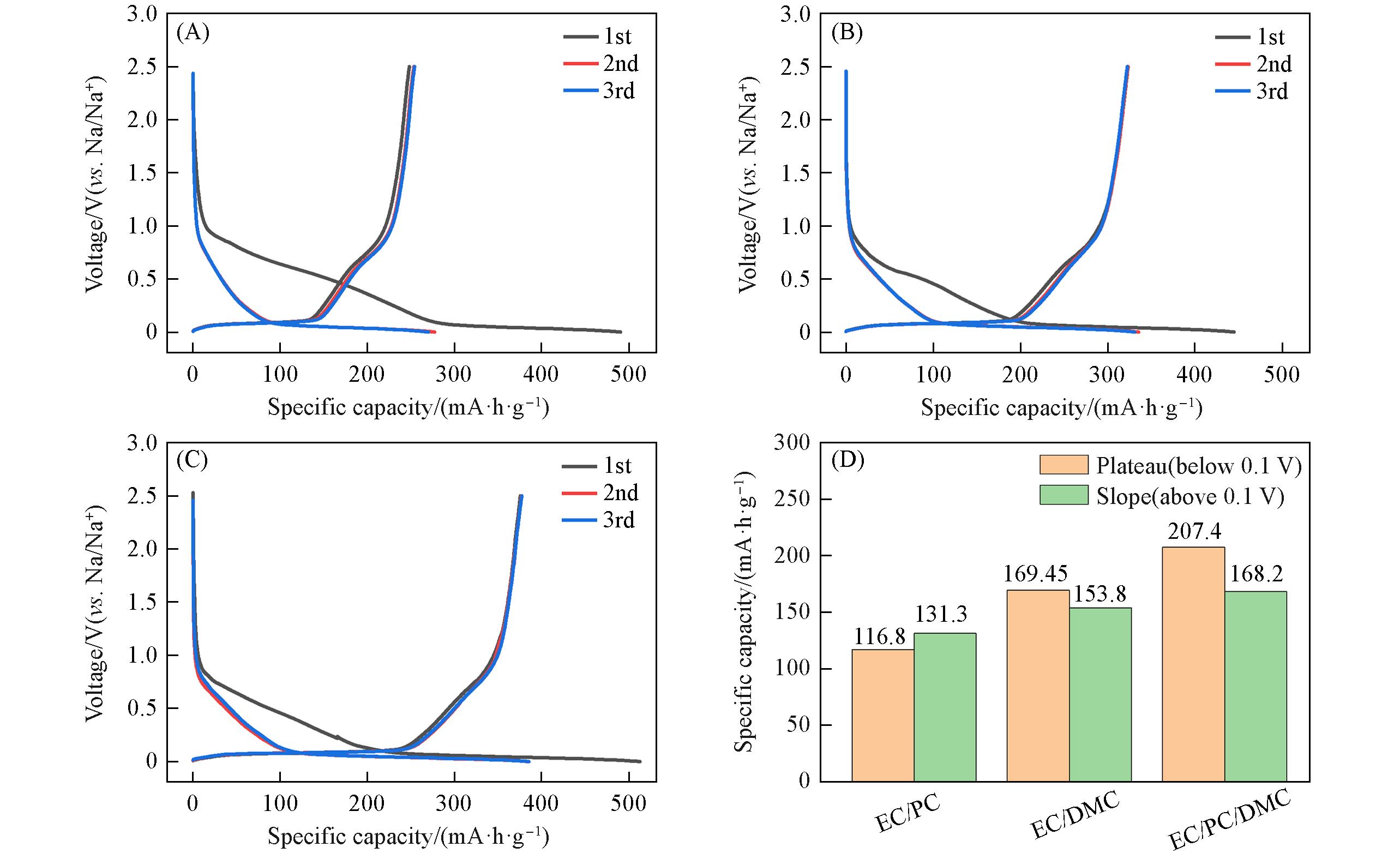
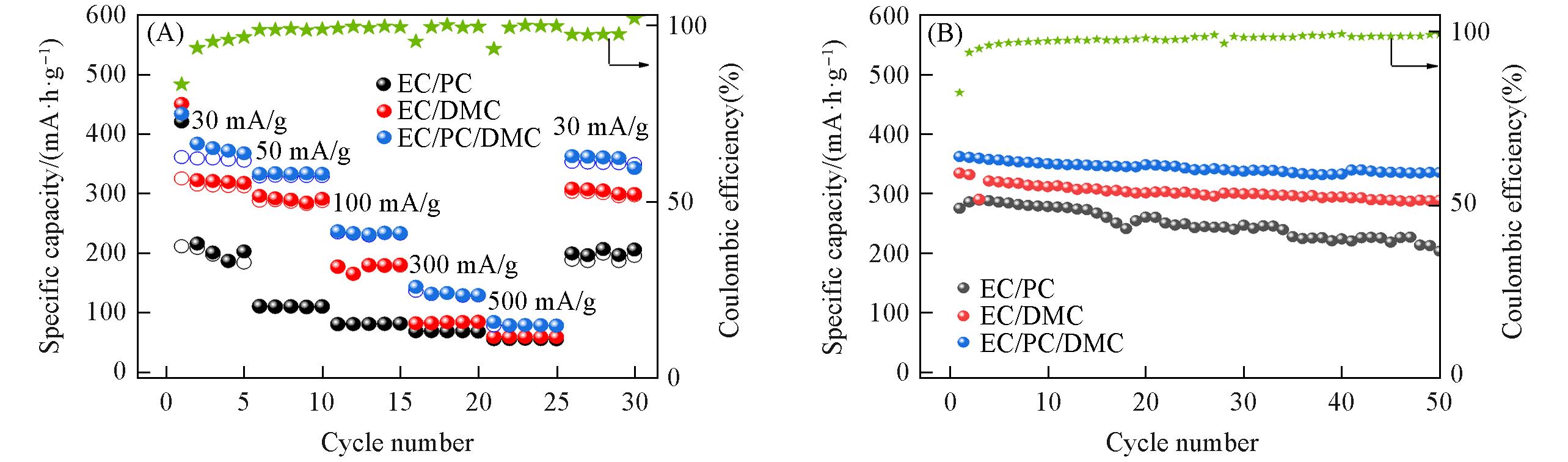
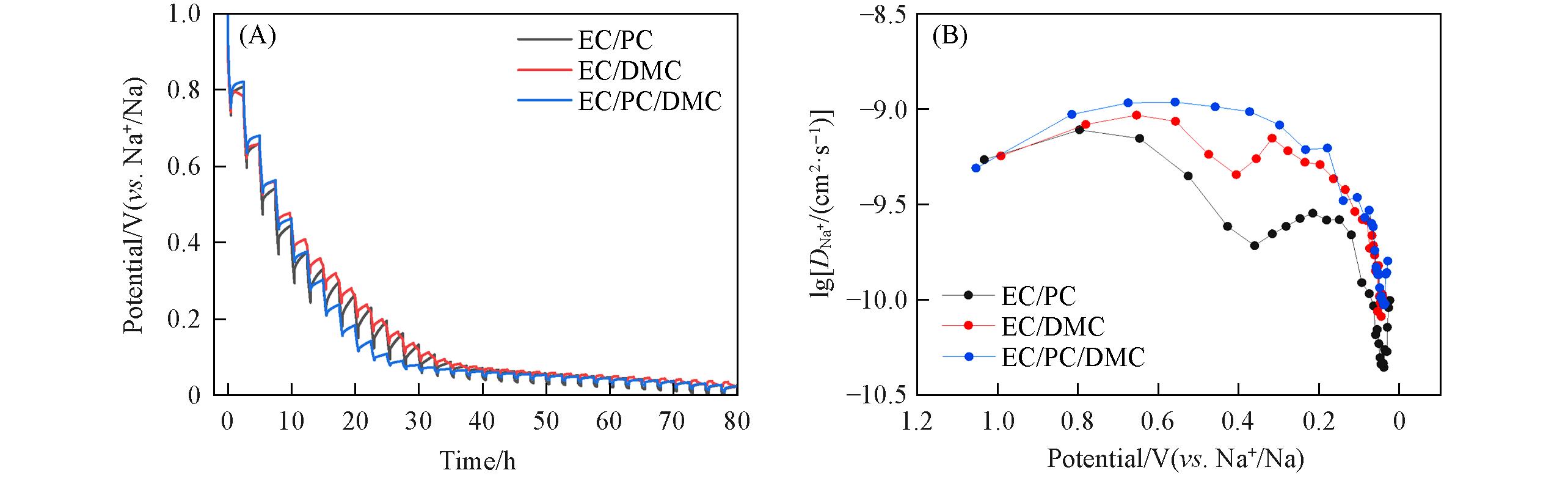
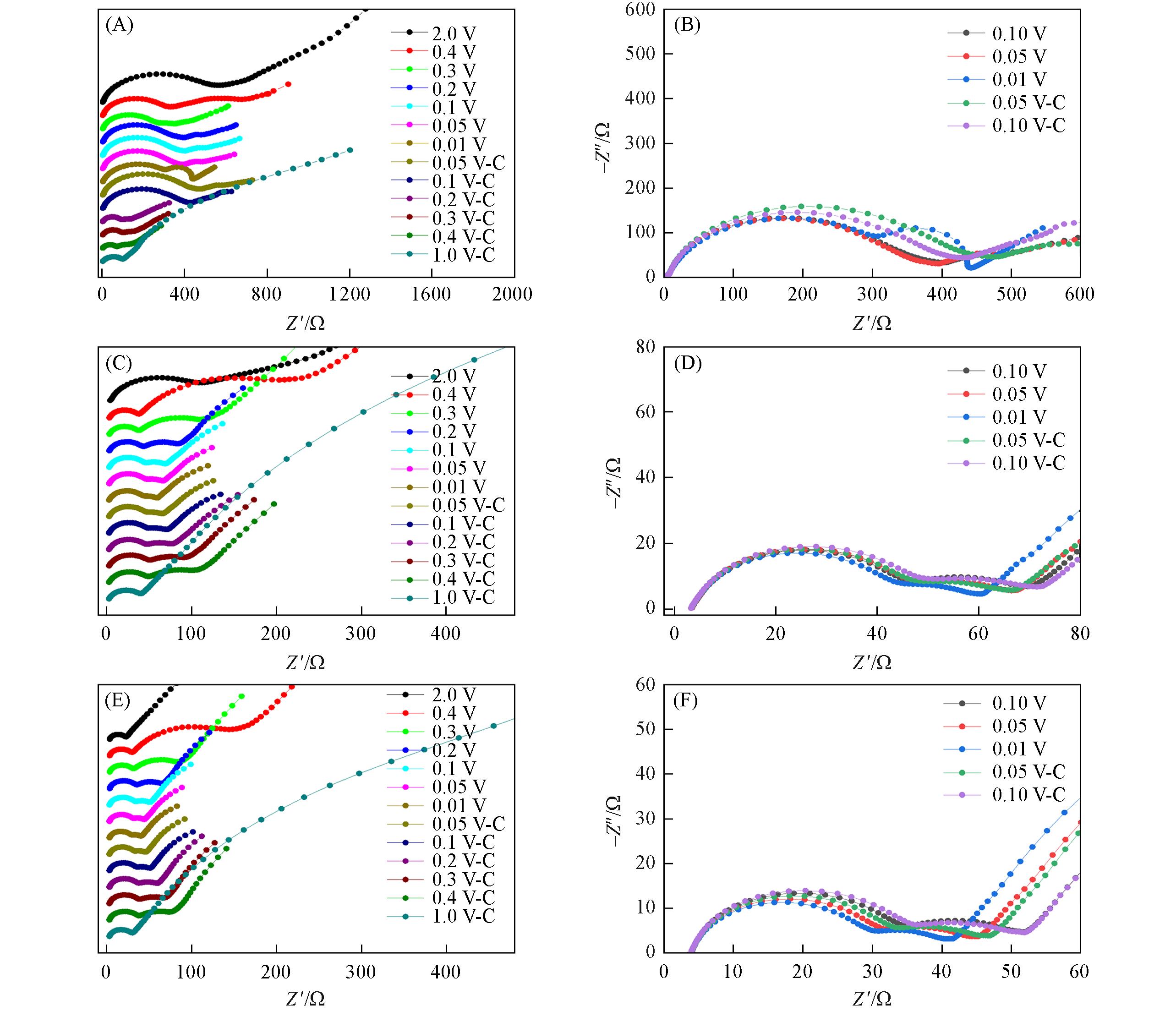
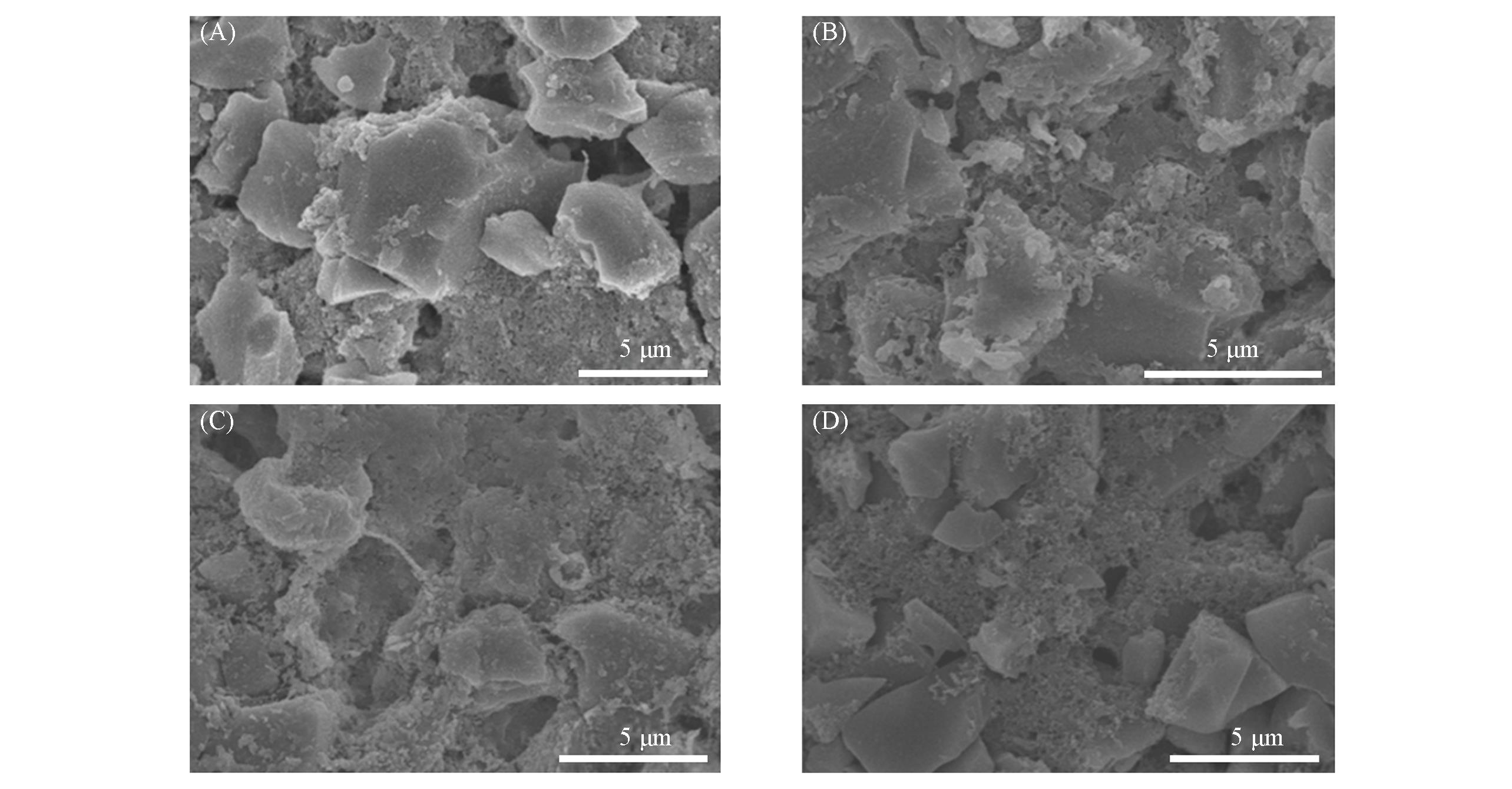
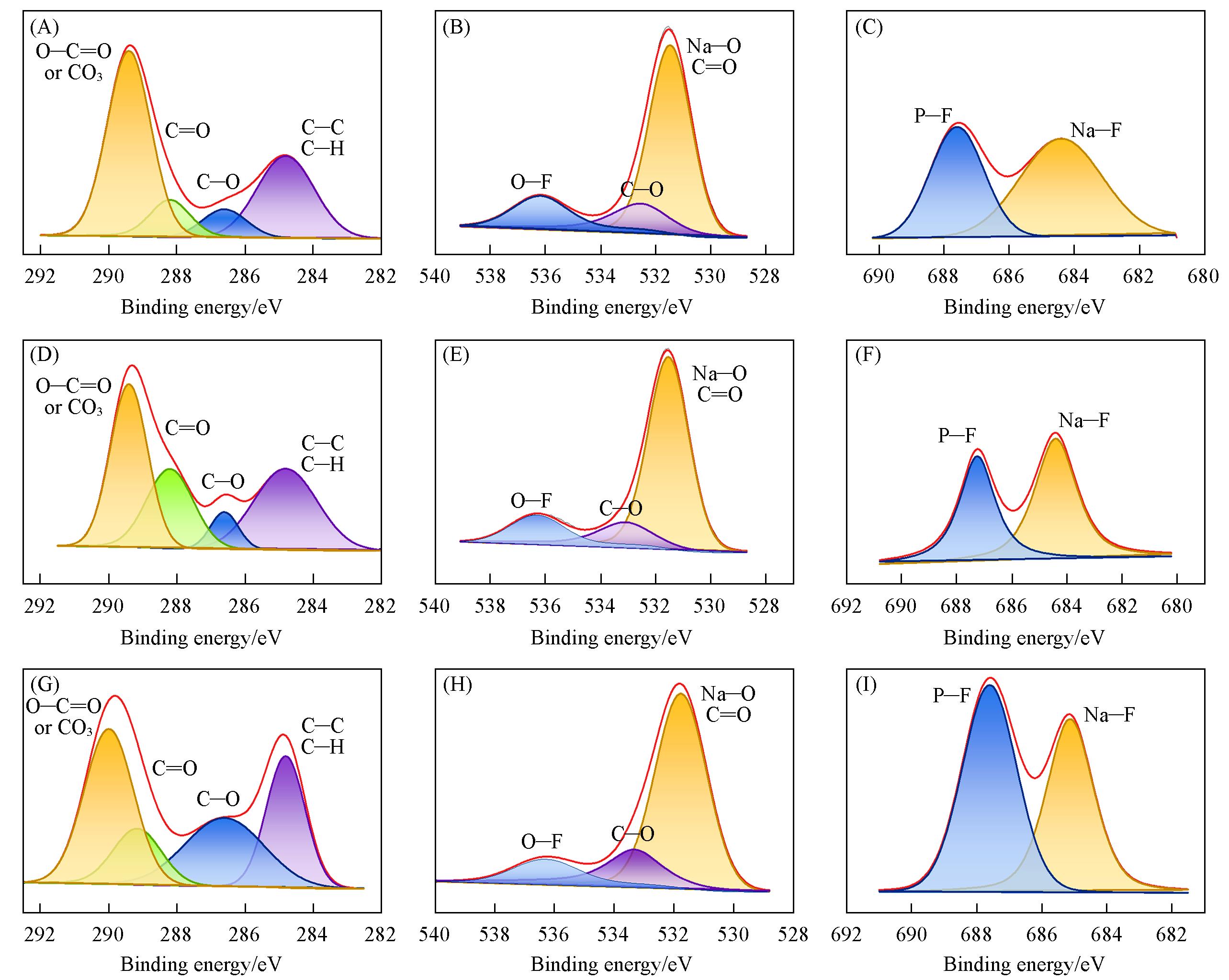
针对钠离子电池硬碳(HC)负极, 设计以六氟磷酸钠(NaPF6)为钠盐, 在碳酸乙烯酯(EC)基溶剂中添加碳酸丙烯酯(PC)和碳酸二甲酯(DMC)作为混合溶剂的电解液, 探究了不同溶剂协同组合对HC负极电化学性能的影响. 采用分子动力学(MD)模拟分析了电解液溶剂化结构和钠离子在电解液中的扩散系数; 通过电导率、 充放电、 循环性能和倍率性能等测试对比分析了HC负极在EC基电解液中的电化学性能, 并通过循环伏安(CV)、 恒电流间歇滴定技术(GITT)及电化学阻抗谱(EIS)分析钠离子存储动力学行为, 并通过扫描电子显微镜(SEM)、 透射电子显微镜(TEM)和X射线光电子能谱(XPS)等对硬碳表面形貌和成分进行分析. 结果表明, DMC和PC协同作用可以显著提高电解液的离子电导率和钠离子扩散速率、 优化溶剂化结构, 减少有机副产物并增加阴离子配位, 促进固体电解质介面(SEI)膜中无机物的生成, 有效降低SEI膜阻抗和电荷传递阻抗, 同时提高钠离子在HC中的扩散系数, 使HC负极在1 mol/L NaPF6-EC/PC/DMC电解液中具有相对优异的倍率性能和充放电循环性能, 在50 mA/g电流密度下初始容量为362.0 mA·h/g, 循环50次后, 容量衰减至353.4 mA·h/g, 容量保持率为97.6%. 因此, EC/PC/DMC混合溶剂是钠离子电池HC负极最具有应用前景的溶剂之一.

关键词: 钠离子电池, 电解液, 溶剂, 电化学性能, 硬碳负极

Abstract:

In this article, the electrolytes of mixed solvents for the hard carbon(HC) negative of sodium-ion batteries were designed, using sodium hexafluorophosphate(NaPF6) as the sodium salt and adding propylene carbonate(PC) and dimethyl carbonate(DMC) in an ethylene carbonate(EC) based solvent. The effect and mechanism of different solvent synergistic combinations on the electrochemical performance of HC negative were explored. The sodium solvation structure and the diffusion coefficient of sodium ions in the electrolyte were analyzed by molecular dynamics simulation(MD). The electrochemical performance of HC negative electrode in EC based electrolyte was compared and analyzed through conductivity tests, charge-discharge tests, cycling performance tests, and rate capability tests. The kinetic behavior of sodium ions storage was also analyzed by cyclic voltammetry(CV), galvanostatic intermittent titration technique(GITT), and electrochemical impedance spectroscopy(EIS). The surface morphology and composition of HC anodes before and after cycling were made by scanning electron microscopy(SEM), transmission electron microscopy(TEM), and X-ray photoelectron spectroscopy(XPS), and so on. As a result, the synergistic effect of DMC and PC can significantly improve the ionic conductivity of the electrolyte and diffusion coefficient of sodium ions in electrolyte, optimize the solvation structure, reduce organic by-products and increase anion coordination, promote the generation of inorganic substances in the solid electrolyte interface(SEI) film, effectively reduce the SEI film impedance and charge transfer impedance, and improve the diffusion coefficient of sodium ions in HC. Therefore, the HC anode achieves 362.0 mA·h/g initial capacity, in the 1 mol/L NaPF6-EC/PC/DMC electrolyte at 50 mA/g, and the capacity decays to 353.4 mA·h/g with a capacity retention rate of 97.6% after 50 cycles demonstrating superior rate capability and cycling performance. Thereby, EC/PC/DMC mixed solvents are one of the most promising solvents for the HC anode of sodium ion batteries.

Key words: Sodium ion battery, Electrolyte, Solvent, Electrochemical performance, Hard carbon anode

中图分类号: 

TrendMD: