高等学校化学学报 ›› 2026, Vol. 47 ›› Issue (8): 20260070.doi: 10.7503/cjcu20260070

• 物理化学 • 上一篇    下一篇

Pt/a-C纳米材料电催化2,5-呋喃二甲醇选择性氧化合成2,5-呋喃二甲酸

杨洋1, 钱俊2, 邓佩锋1, 徐晨晖1, 刘佳伦1, 李亚太1, 杨真真1(), 付明臣1(), 张根磊1()   

  1. 1.合肥工业大学化学与化工学院,合肥 230009
    2.东华工程科技股份有限公司,合肥 230009
  • 收稿日期:2026-02-04 出版日期:2026-08-10 发布日期:2026-05-14
  • 通讯作者: 杨真真 E-mail:zzyang@hfut.edu.cn;mcfu@hfut.edu.cn;genleizhang@hfut.edu.cn
  • 作者简介:付明臣, 男, 博士, 教授, 主要从事光电催化/生物质转化方面的研究. E⁃mail: mcfu@hfut.edu.cn
    张根磊, 男, 博士, 副教授, 主要从事催化剂工程/电催化方面的研究. E-mail: genleizhang@hfut.edu.cn
  • 基金资助:
    东华工程科技股份有限公司研发项目(W2023JSKF0971);安徽省自然科学基金(JZ2024AKZR0546)

Electrocatalytic Selective Oxidation of 2,5-Bis(hydroxymethyl)furan to 2,5-Furandicarboxylic Acid over Pt/a-C Nanomaterials

YANG Yang1, QIAN Jun2, DENG Peifeng1, XU Chenhui1, LIU Jialun1, LI Yatai1, YANG Zhenzhen1(), FU Mingchen1(), ZHANG Genlei1()   

  1. 1.School of Chemistry and Chemical Engineering,Hefei University of Technology,Hefei 230009,China
    2.East China Engineering Science and Technology Co. Ltd. ,Hefei 230009,China
  • Received:2026-02-04 Online:2026-08-10 Published:2026-05-14
  • Contact: YANG Zhenzhen E-mail:zzyang@hfut.edu.cn;mcfu@hfut.edu.cn;genleizhang@hfut.edu.cn
  • Supported by:
    the Research Fund of East China Engineering Science and Technology Co., Ltd., China(W2023JSKF0971);the Natural Science Foundation of Anhui Province, China(JZ2024AKZR0546)

摘要:

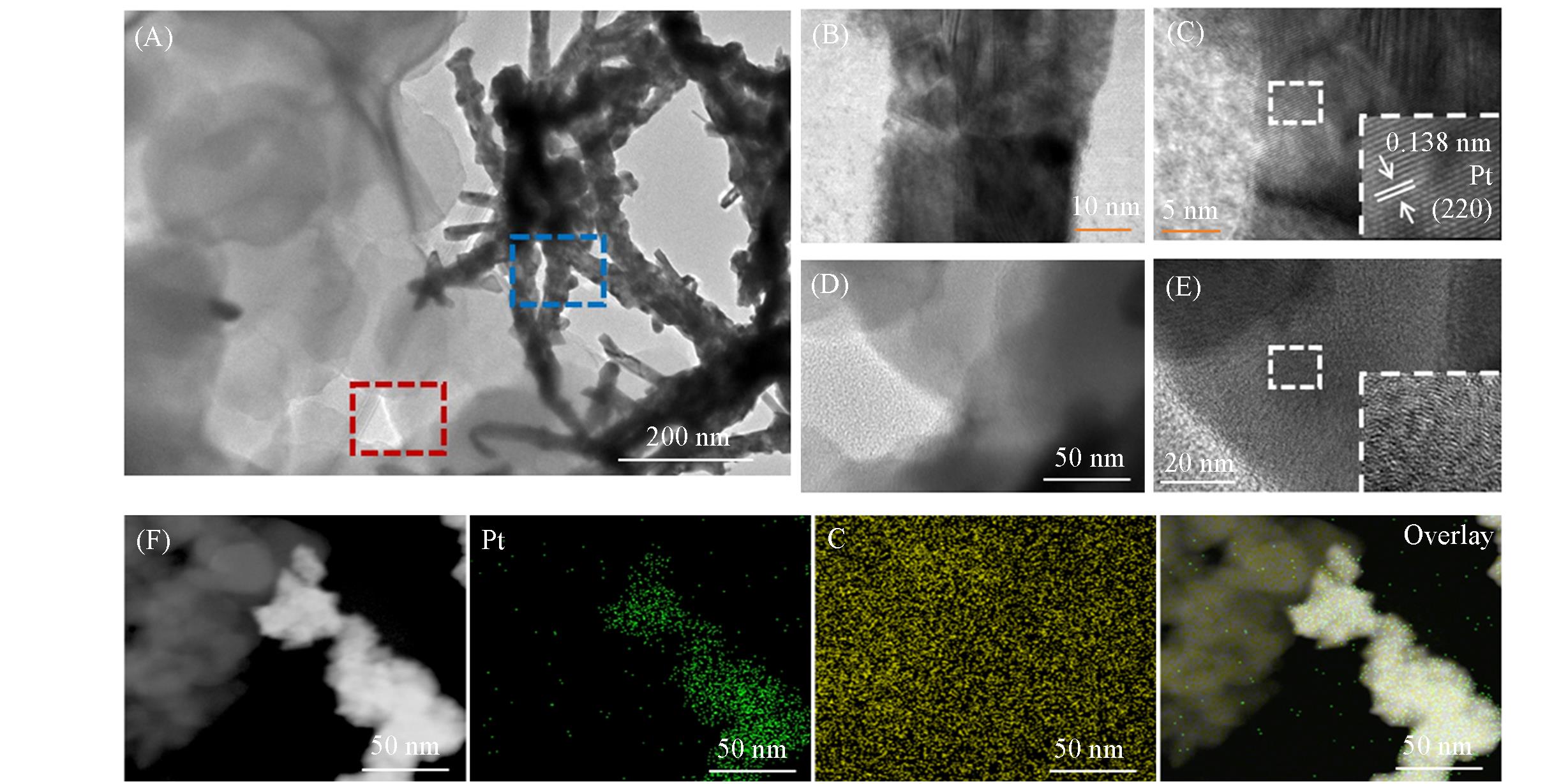
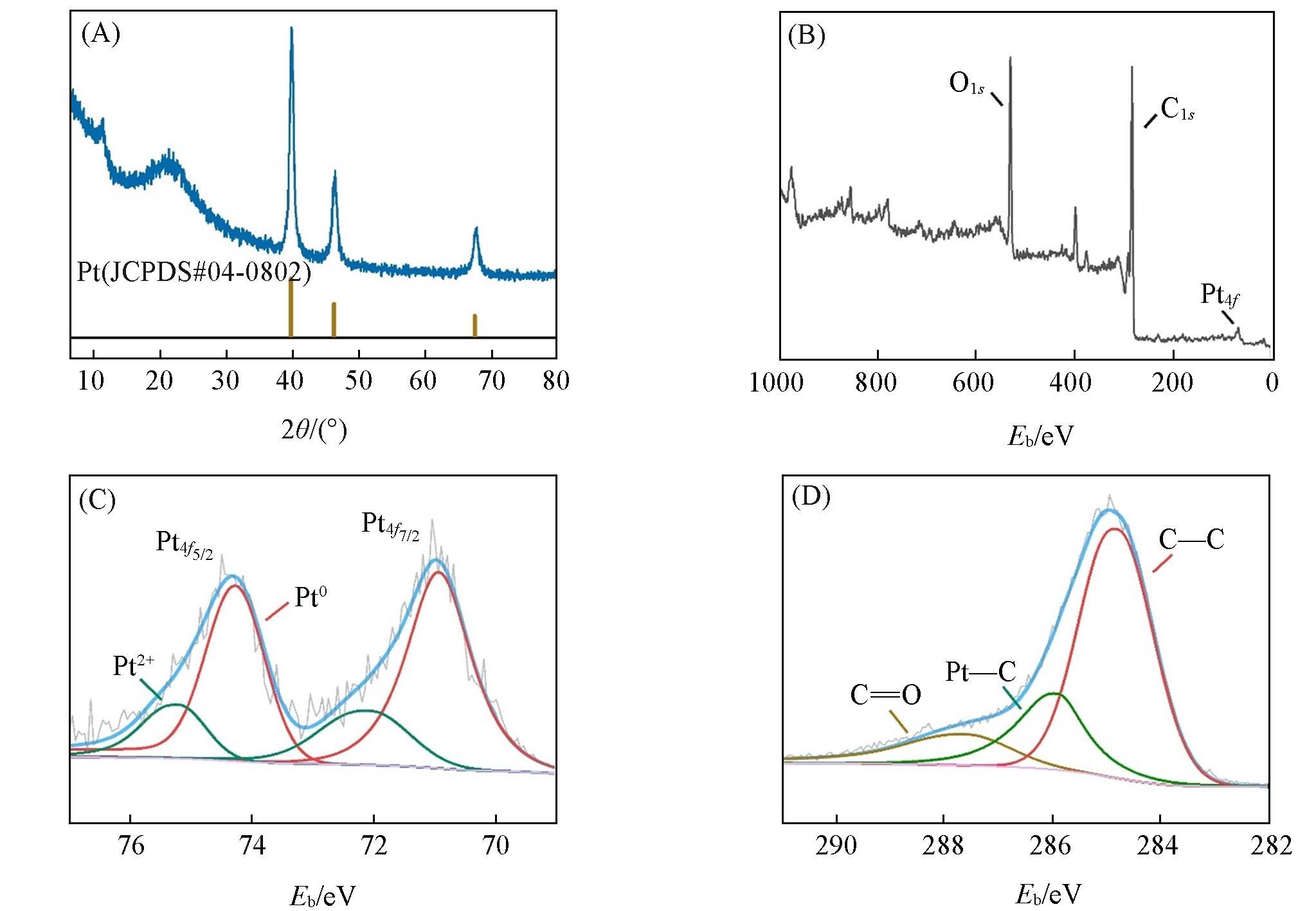
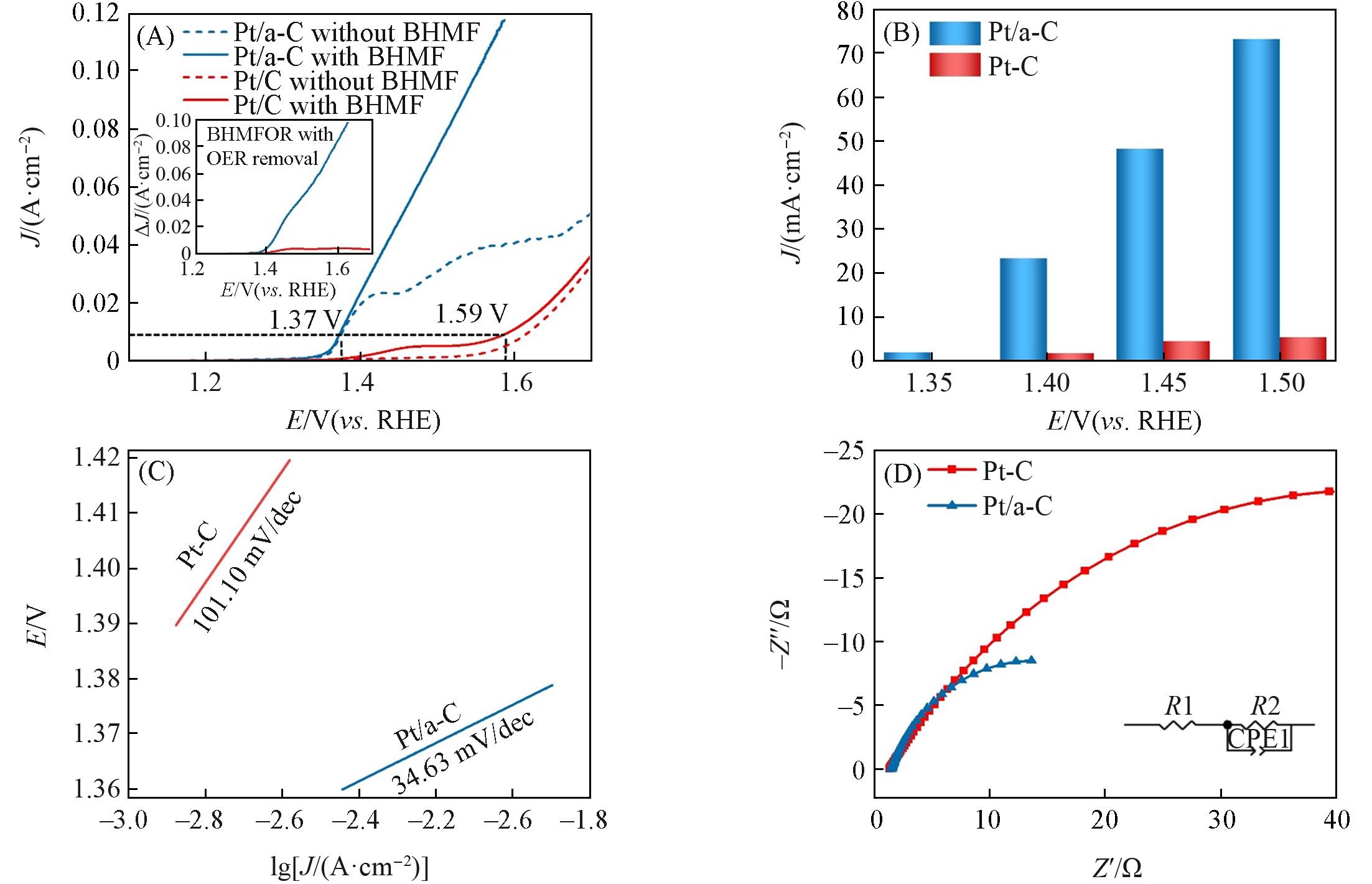
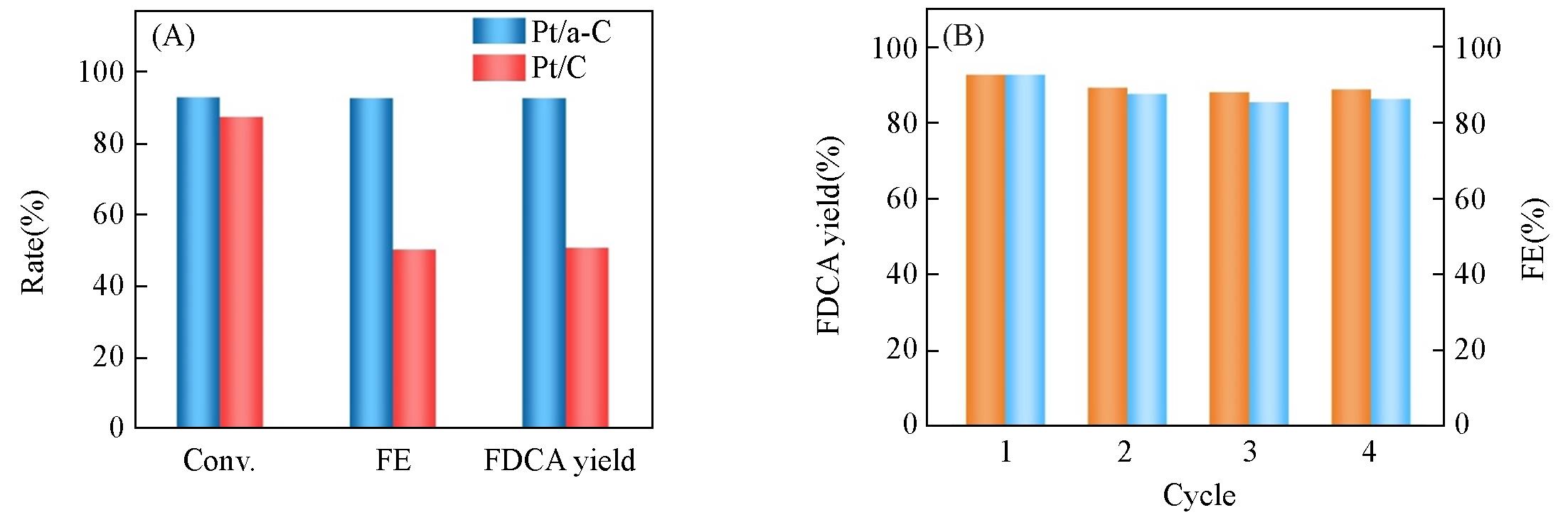
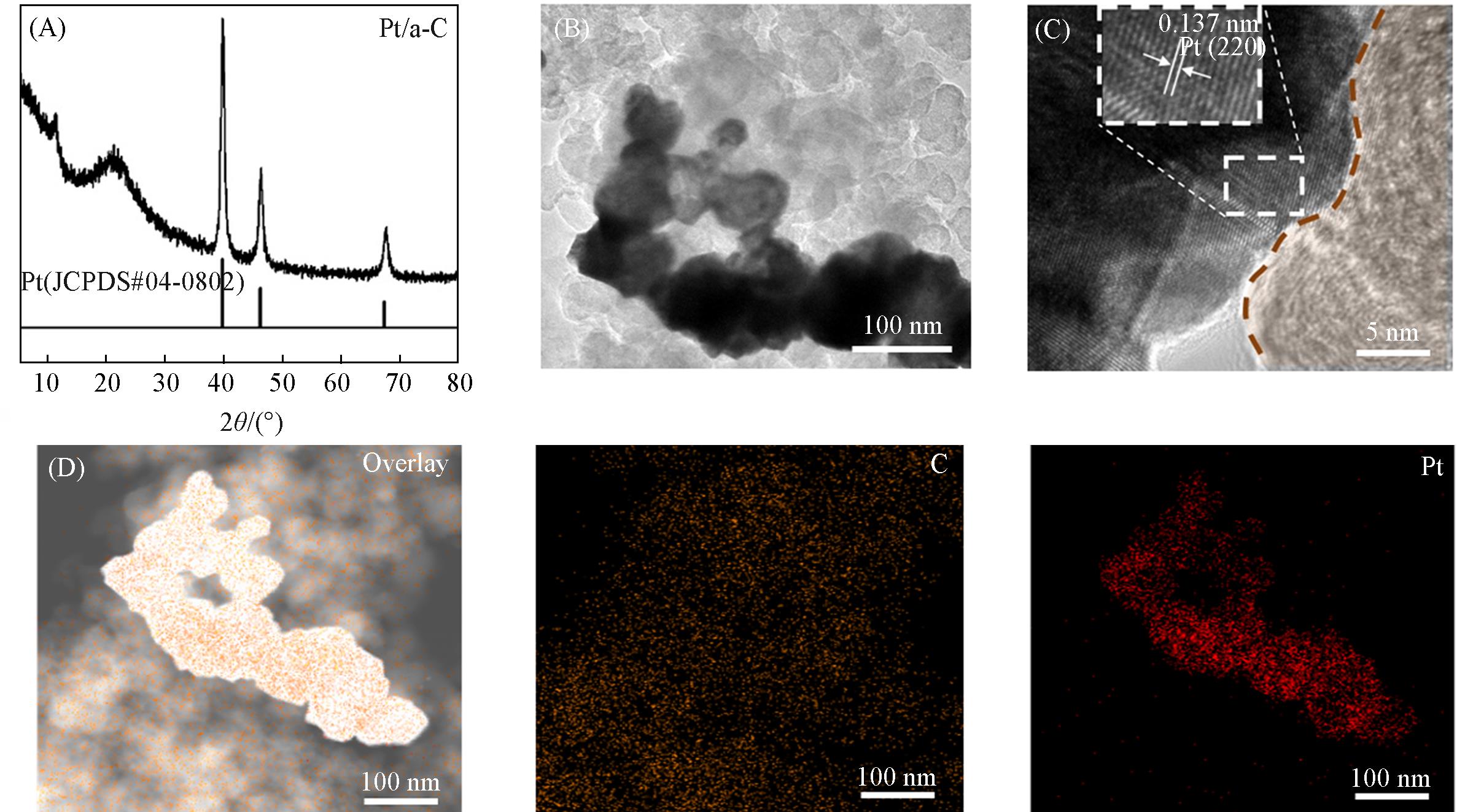
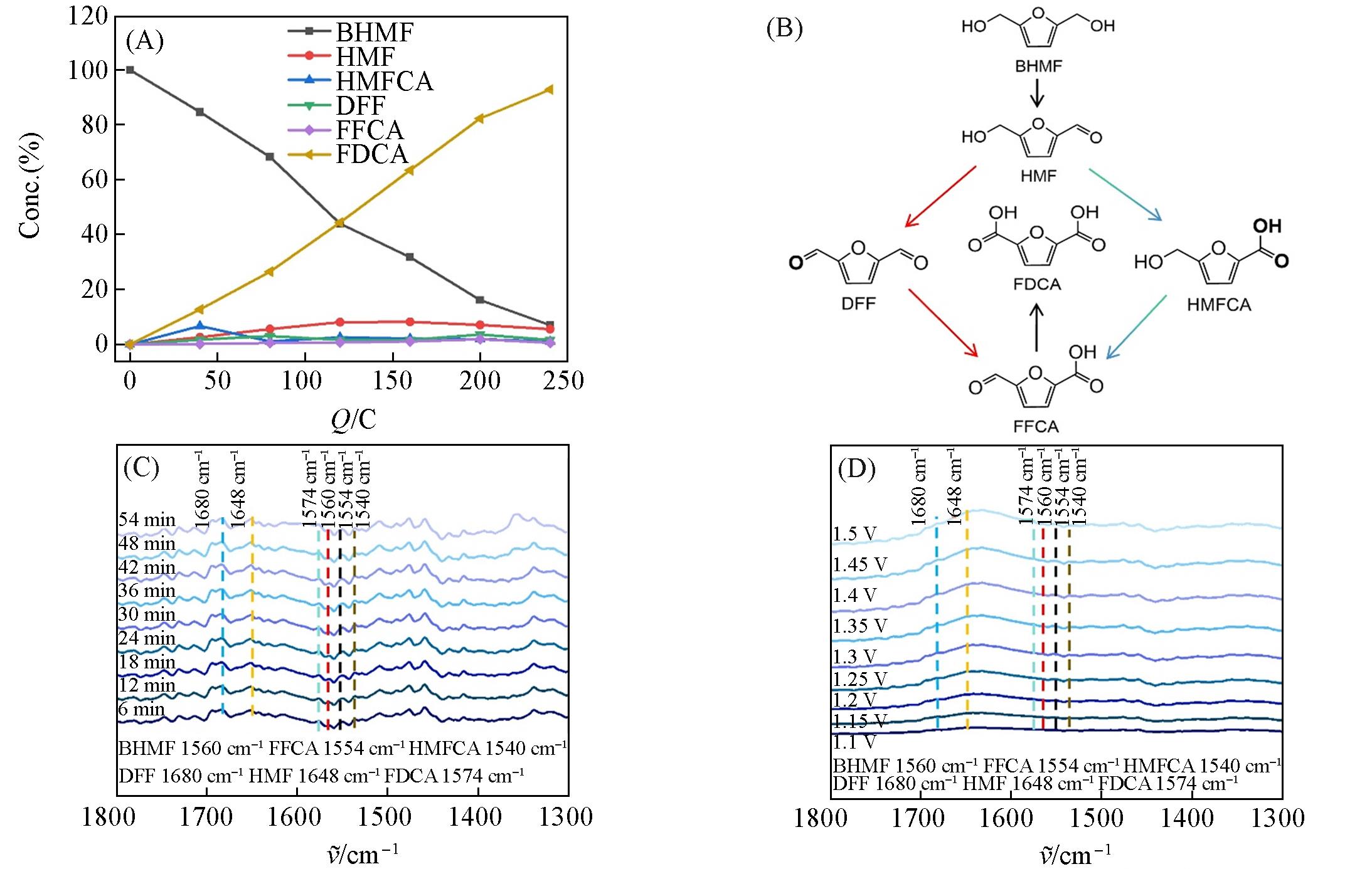
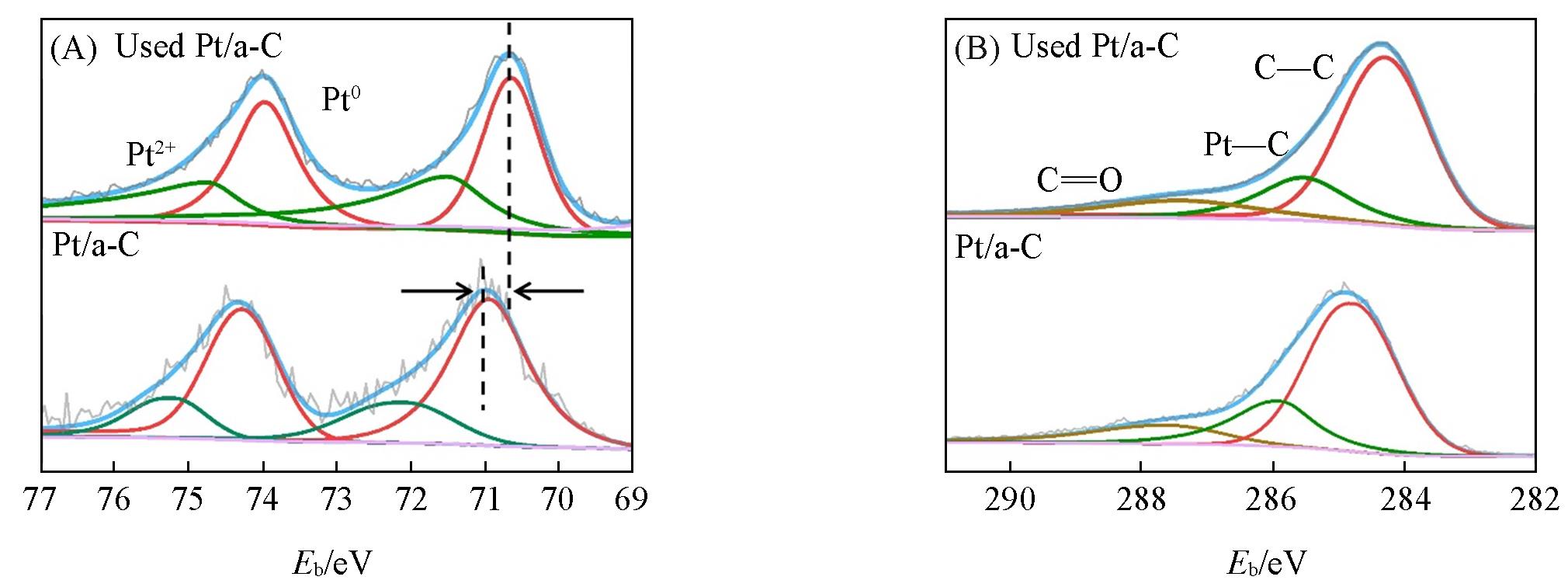
2,5-呋喃二甲酸(FDCA)作为一种关键的生物质基平台化合物, 其绿色合成备受关注. 本文以稳定性优于5-羟甲基糠醛(HMF)的2,5-呋喃二甲醇(BHMF)为原料, 采用Pt/非晶碳(Pt/a-C)纳米材料为催化剂, 在温和条件下(1.45 V vs. RHE, 常温常压)实现了BHMF高效电催化氧化制备FDCA. 结果表明, Pt以纳米线形式通过Pt—C键均匀负载于非晶碳载体, 形成强界面相互作用; Pt/a-C的起始电位较商业Pt/C负移220 mV, Tafel斜率为34.63 mV/dec, 电荷转移电阻显著降低. 在1.45 V(vs. RHE)电位下, FDCA产率达92.80%, 法拉第效率为91.45%, 且循环5次后性能保持稳定. 机理研究揭示, 反应遵循双路径并行机制: BHMF经2,5-呋喃二甲醛(DFF)或5-羟甲基-2-呋喃甲酸(HMFCA)两条路径, 最终通过5-甲酰基-2-呋喃甲酸(FFCA)转化为 FDCA, Pt活性中心与载体的协同作用促进了反应动力学.

关键词: 2, 5-呋喃二甲醇, 2, 5-呋喃二甲酸, 电催化氧化, Pt/非晶碳, 生物质高值化

Abstract:

2,5-Furandicarboxylic acid(FDCA), as a key biomass-derived platform chemical, has attracted considerable attention for its green synthesis. In this study, 2,5-bis(hydroxymethyl)furan(BHMF), which exhibits higher stability than 5-hydroxymethylfurfural(HMF), was used as the feedstock. Pt/amorphous carbon(Pt/a-C) nanomaterials were employed as the catalyst to achieve efficient electrocatalytic oxidation of BHMF to FDCA under mild conditions(1.45 V vs. RHE, room temperature and ambient pressure). The results show that Pt nanowires are uniformly loaded onto the amorphous carbon support via Pt-C bonds, forming a strong interfacial interaction. Pt/a-C exhibits a 220 mV negative shift in onset potential compared to commercial Pt/C, with a Tafel slope of 34.63 mV/dec and a significantly reduced charge transfer resistance. At an applied potential of 1.45 V(vs. RHE), the FDCA yield reached 92.80% with a Faradaic efficiency of 91.45%, and the performance remains stable after five cycles. Mechanistic investigation reveals that the reaction follows a dual-pathway parallel mechanism: BHMF is converted FDCA via either 2,5-diformylfuran(DFF) or 5-hydroxymethyl-2-furancarboxylic acid(HMFCA), both ultimately proceeding through 5-formyl-2-furancarboxylic acid(FFCA) to FDCA. The synergistic effect between the Pt active sites and the support promotes the reaction kinetics. This study provides a new strategy for the green synthesis of biomass-based FDCA.

Key words: 2, 5-Bis(hydroxymethyl)furan, 2, 5-Furandicarboxylic acid, Electrocatalytic oxidation, Pt/amorphous carbon, High-value utilization of biomass

中图分类号: 

TrendMD: