高等学校化学学报 ›› 2025, Vol. 46 ›› Issue (12): 20250184.doi: 10.7503/cjcu20250184

• 高分子化学 • 上一篇    下一篇

氯化反式丁二烯-异戊二烯共聚橡胶的结构调控

邢宇航, 王莉, 赵季若, 邵华锋(), 贺爱华()   

  1. 青岛科技大学高分子科学与工程学院, 山东省高性能聚烯烃材料与循环利用重点实验室, 橡塑材料与工程教育部重点实验室/山东省高性能橡胶材料与工程重点实验室, 青岛 266042
  • 收稿日期:2025-07-04 出版日期:2025-12-10 发布日期:2025-10-14
  • 通讯作者: 邵华锋,贺爱华 E-mail:hfshao@qust.edu.cn;ahhe@qust.edu.cn
  • 基金资助:
    国家重点研发计划项目[批准号(2022YFB3704700);国家重点研发计划项目[批准号(2022YFB3704702);国家自然科学基金(52473096);山东省重大科技创新工项目(2021CXGC010901);泰山学者工程专项经费资助

Structure Regulation of Chlorinated Trans-1,4-butadiene-co-isoprene Rubber

XING Yuhang, WANG Li, ZHAO Jiruo, SHAO Huafeng(), HE Aihua()   

  1. Shandong Key Laboratory of High Performance Polyolefin Materials and Recycling,Key Laboratory of Rubber?Plastics,Ministry of Education/Shandong Province Key Laboratory of High Performance Rubber Materials and Engineering,School of Polymer Science and Engineering,Qingdao University of Science and Technology,Qingdao 266042,China
  • Received:2025-07-04 Online:2025-12-10 Published:2025-10-14
  • Contact: SHAO Huafeng, HE Aihua E-mail:hfshao@qust.edu.cn;ahhe@qust.edu.cn
  • Supported by:
    the National Key Research and Development Program of China[No.2022YFB3704700(2022YFB3704702);the National Natural Science Foundation of China(52473096);the Major Scientific and Technological Innovation Project of Shandong Province, China(2021CXGC010901);the Taishan Scholar Program, China

摘要:

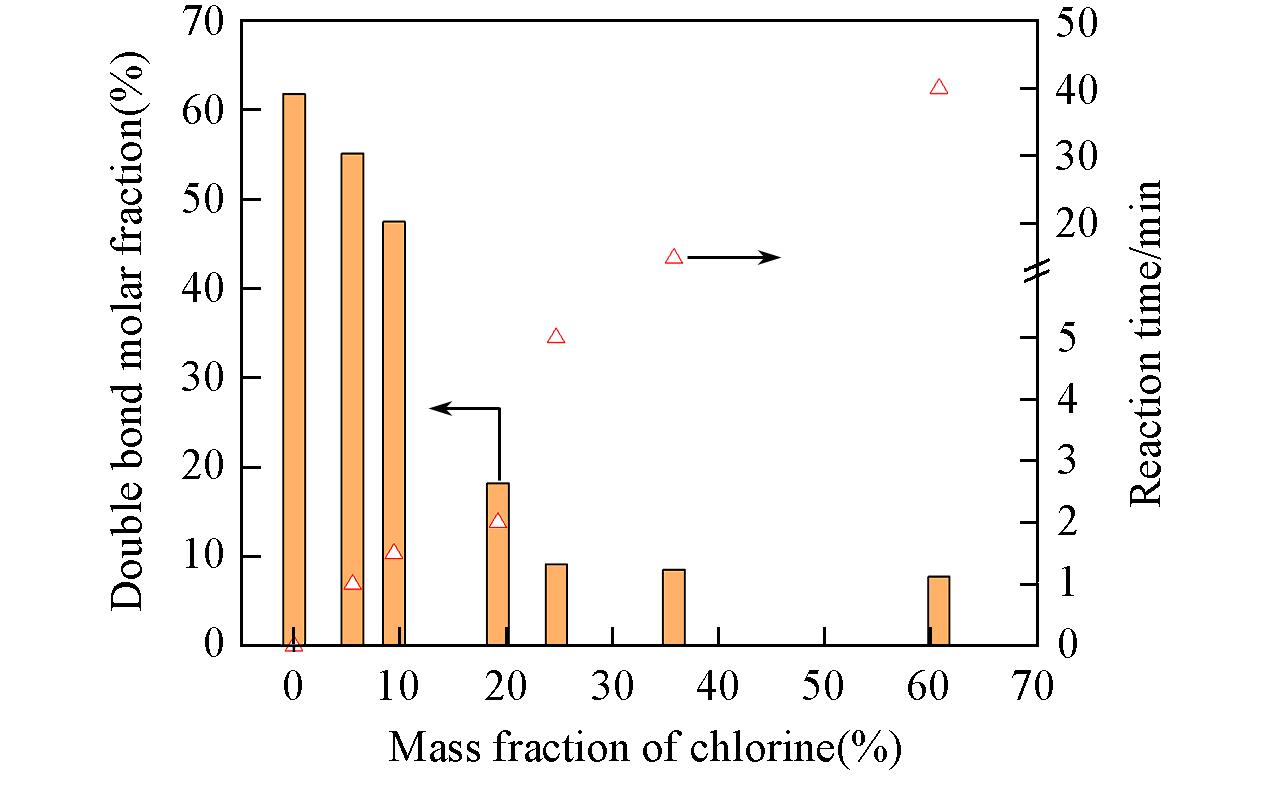
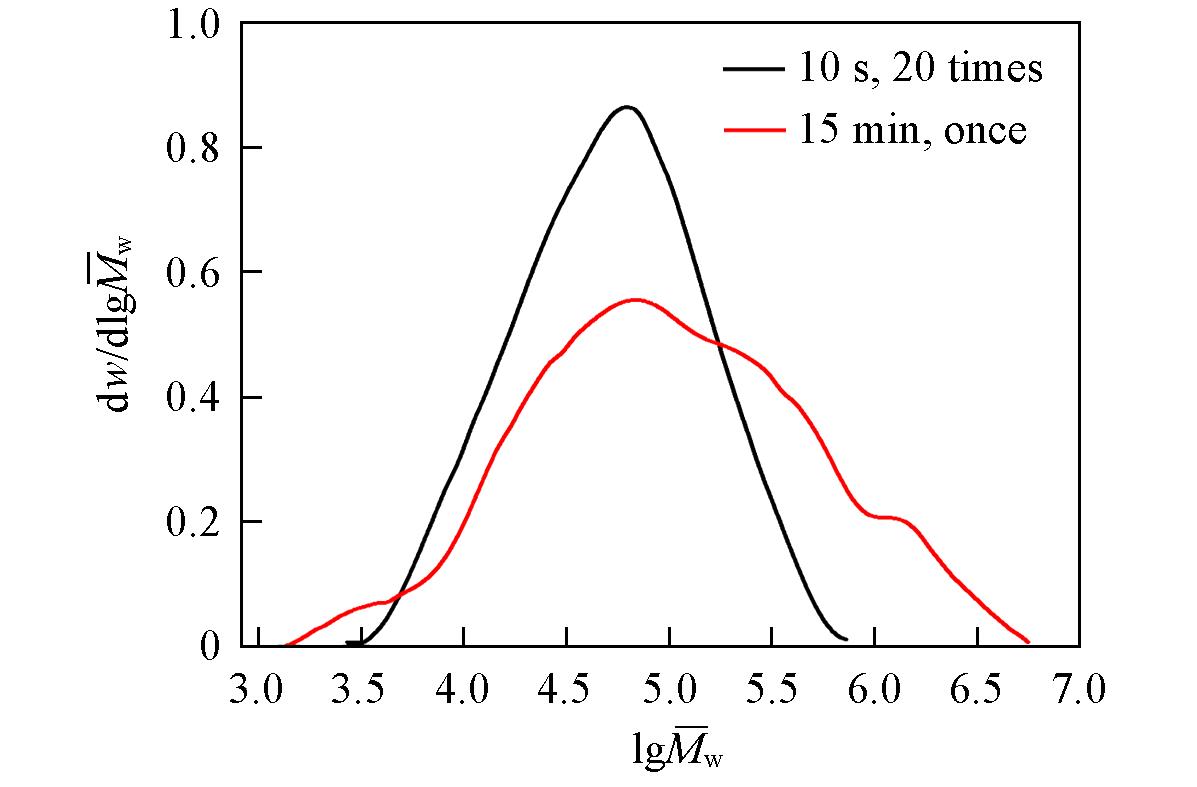
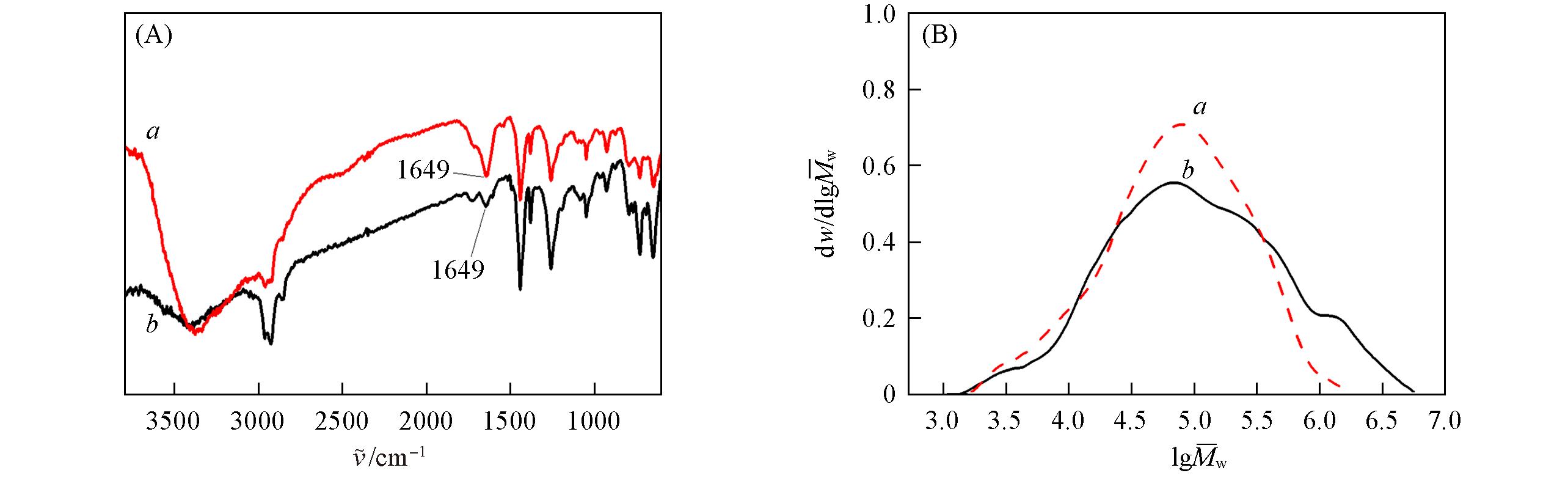
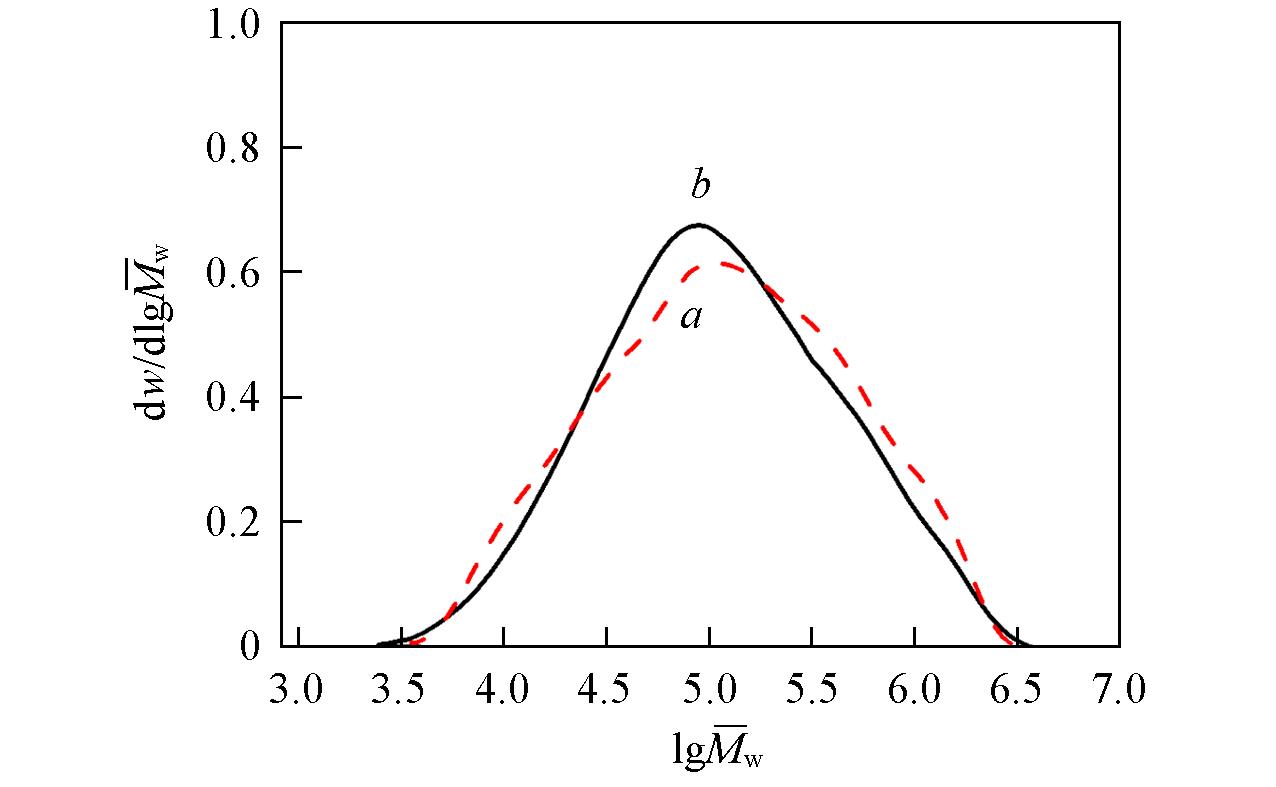
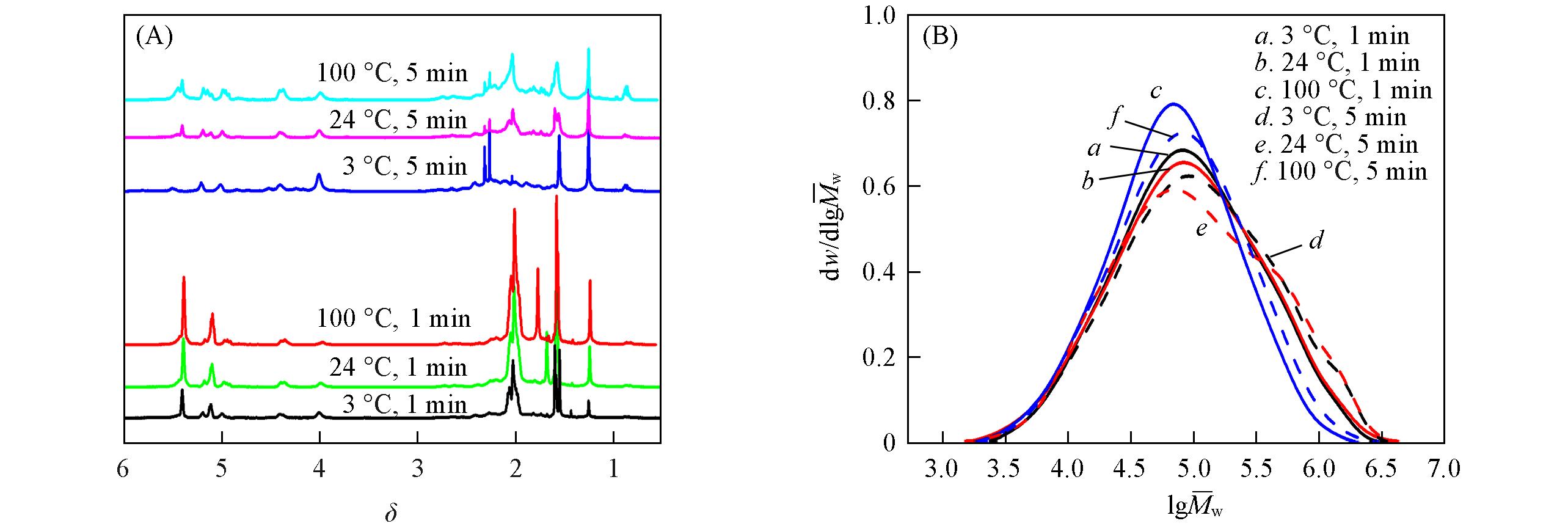
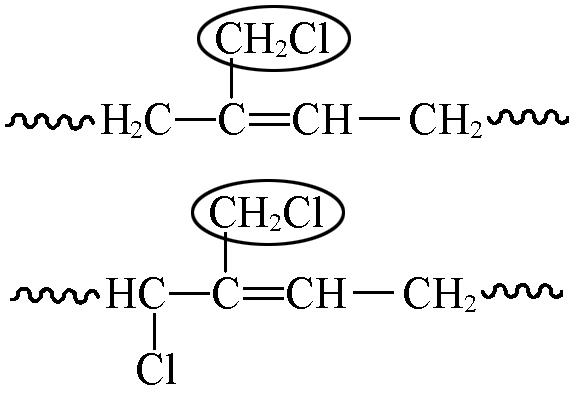
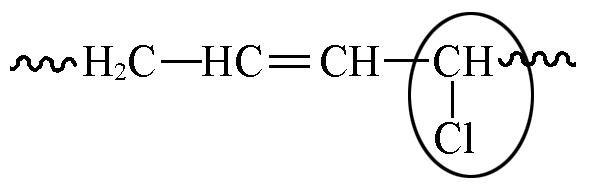
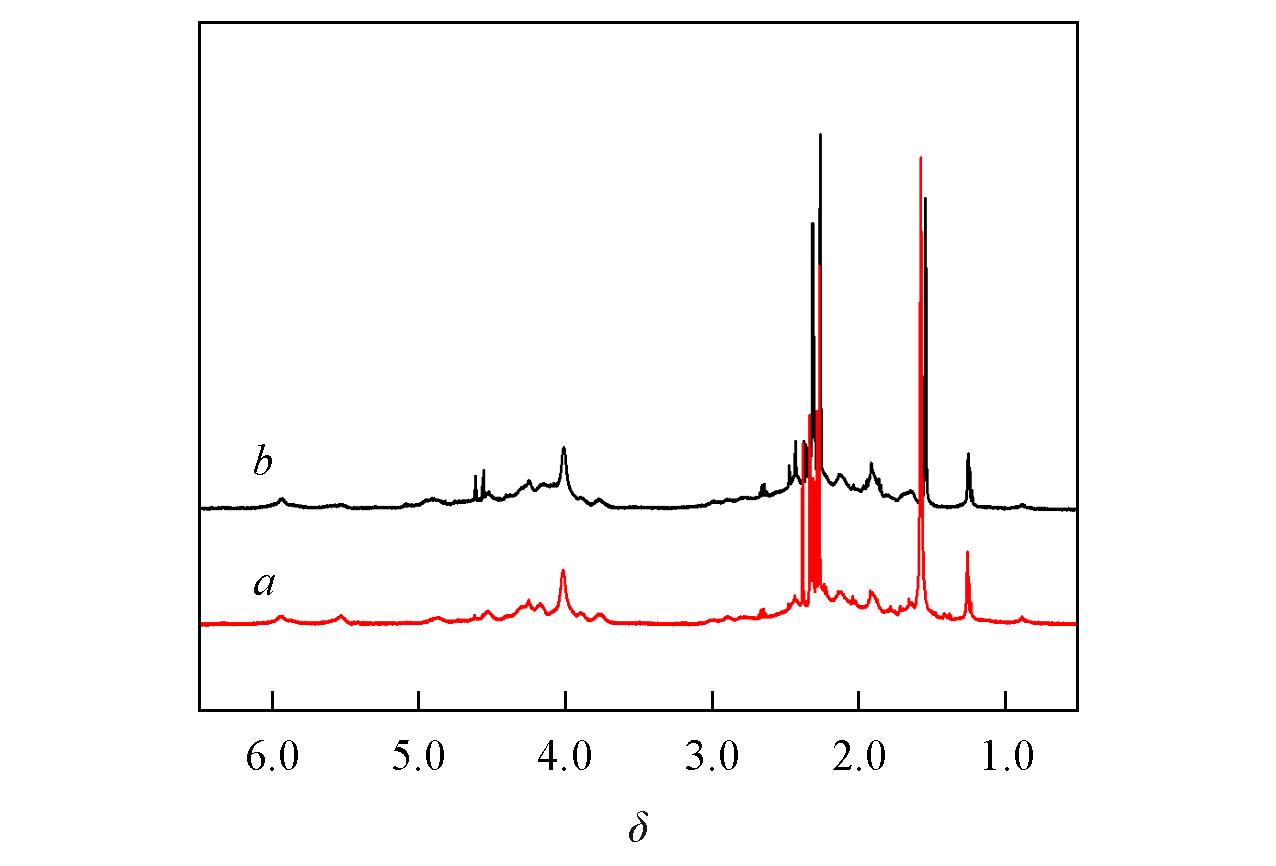
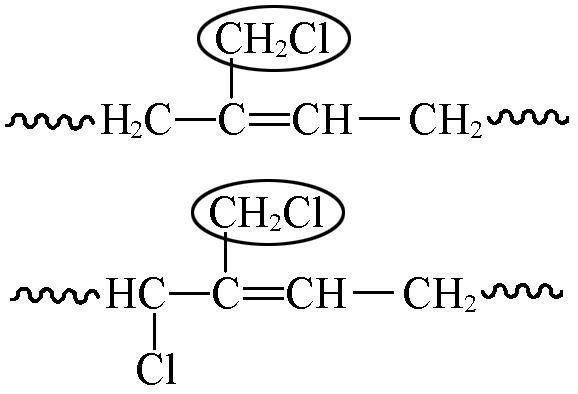
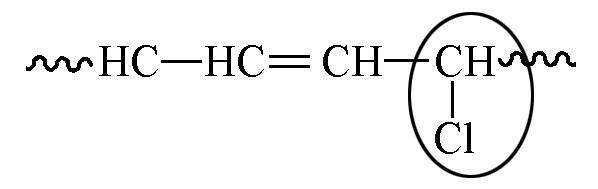
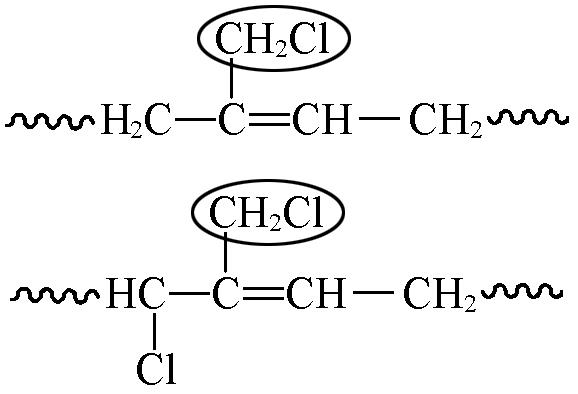
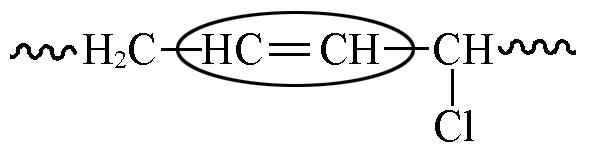
反式丁二烯-异戊二烯共聚橡胶(TBIR)中可参与氯化反应的结构复杂, 其氯化产物氯化反式丁二烯-异戊二烯共聚橡胶(CTBIR)的橡胶弹性和极性主要取决于分子链中的双键和烯丙基氯两种结构. 本文通过控制氯化反应时间、 温度、 氯气的通入方式以及自由基捕捉剂和紫外光辐照等氯化反应条件, 实现了对CTBIR中双键和烯丙基氯结构的调控. 实验结果表明, 高的起始反应温度可以保留TBIR中的双键含量, 但氯含量降低; 循环通入氯气的方式有利于在获得高氯含量的同时保持较高的双键含量; 氯化反应中加入2,2,6,6-四甲基-1-氧基哌啶(TEMPO)有利于保持CTBIR中的双键含量. CTBIR中烯丙基氯结构的含量可以通过反应温度和时间以及TEMPO的加入量来进行调控. 对氯化反应产物结构的调控可以为橡胶的氯化反应及氯化产物的调控提供依据, 并为CTBIR后续的结构修饰提供可选择的反应位点.

关键词: 氯化反应, 反式丁二烯-异戊二烯共聚橡胶, 烯丙基氯, 结构调控, 分子量

Abstract:

The structure of trans butadiene-isoprene copolymer rubber(TBIR) involved in chlorination reaction is complex, and its derivative, chlorinated trans-1,4-poly(butadiene-co-isoprene) rubber(CTBIR), achieves rubber elasticity and polarity mainly depending on its double bond and allyl chloride structures. This article aims to regulate the double bond and allyl chloride structure in CTBIR by controlling the chlorination reaction conditions, such as chlorination time, temperature, chlorine gas introduction methods, free radical scavengers, and UV irradiation. A high initial reaction temperature preserves the double bond content in CTBIR while reducing its chlorine content. The method of circulating chlorine gas facilitates achieving high chlorine content while maintaining high double bond content. The adding of 2,2,6,6-tetramethylpiperidyl-1-oxyl(TEMPO) is beneficial for maintaining the double bond content in CTBIR. The allyl chloride structure in CTBIR can be regulated by reaction temperature, reaction time and the addition of TEMPO. Regulating the structure of chlorination product provides a basis for the halogenation reaction of rubber. The regulation of halogenation products can provide the selection of reaction sites for the subsequent structural modification of CTBIR.

Key words: Chlorination, Trans-1, 4-poly(butadiene-co-isoprene)rubber, Allyl chlorine, Structure regulation, Molecular weight

中图分类号: 

TrendMD: