高等学校化学学报

• 研究论文 • 上一篇    下一篇

生物基乙酰丁香酮衍生聚芳醚酮的分子设计、合成与表征

庞逸盈,韩建华,宗立率,王锦艳,蹇锡高
  

  1. 大连理工大学高分子材料系
  • 收稿日期:2026-01-13 修回日期:2026-04-07 网络首发:2026-04-28 发布日期:2026-04-28
  • 通讯作者: 王锦艳 E-mail:wangjinyan@dlut.edu.cn
  • 基金资助:
    国家自然科学基金(批准号:52273005)资助

Molecular Design, Synthesis, and Characterization of Biomass-Based Acetylsyringone-Derived Poly(aryl ether ketone)s

PANG Yiying,HAN Jianhua,ZONG Lishuai,WANG Jinyan*,JIAN Xigao   

  1. Department of Polymer Materials,Dalian University of Technology
  • Received:2026-01-13 Revised:2026-04-07 Online First:2026-04-28 Published:2026-04-28
  • Supported by:
    Supported by the National Natural Science Foundation of China(No.52273005)

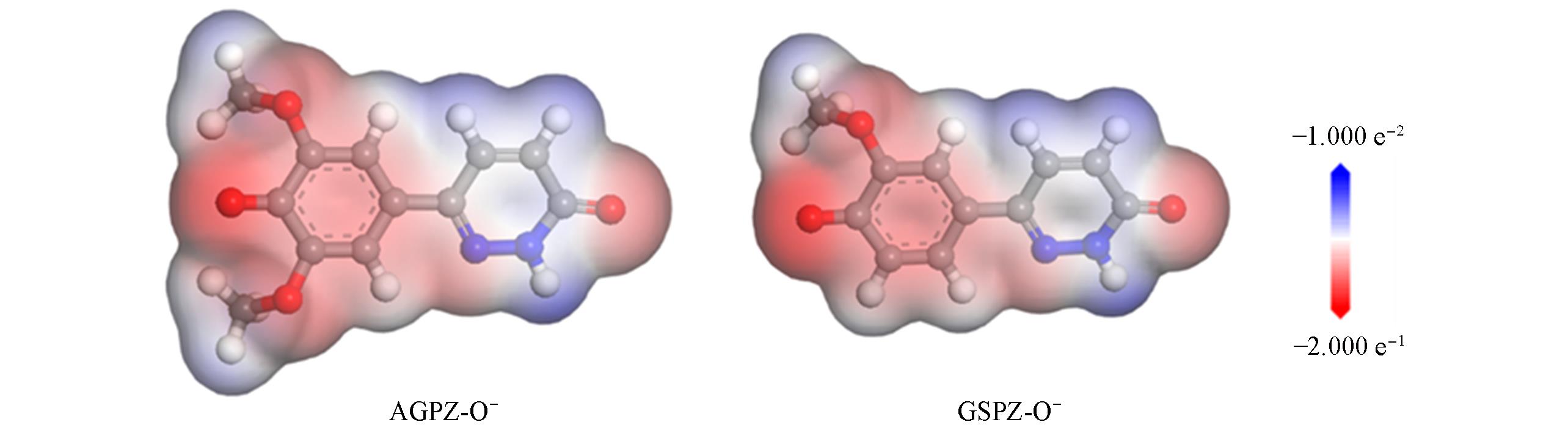
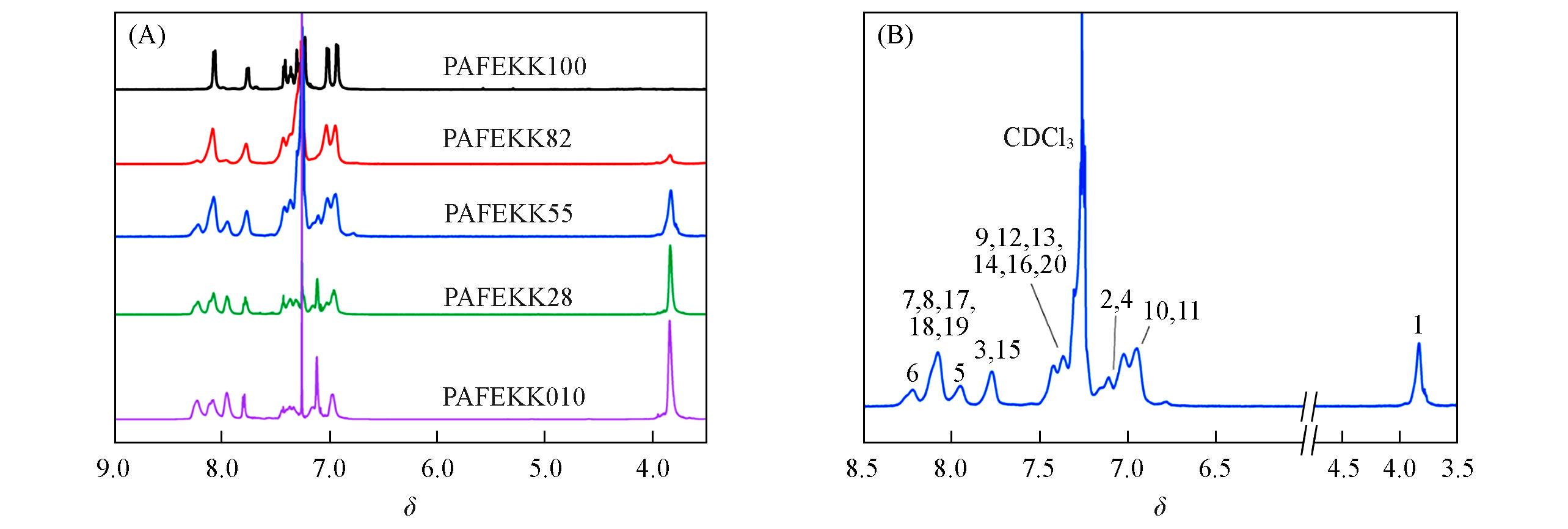
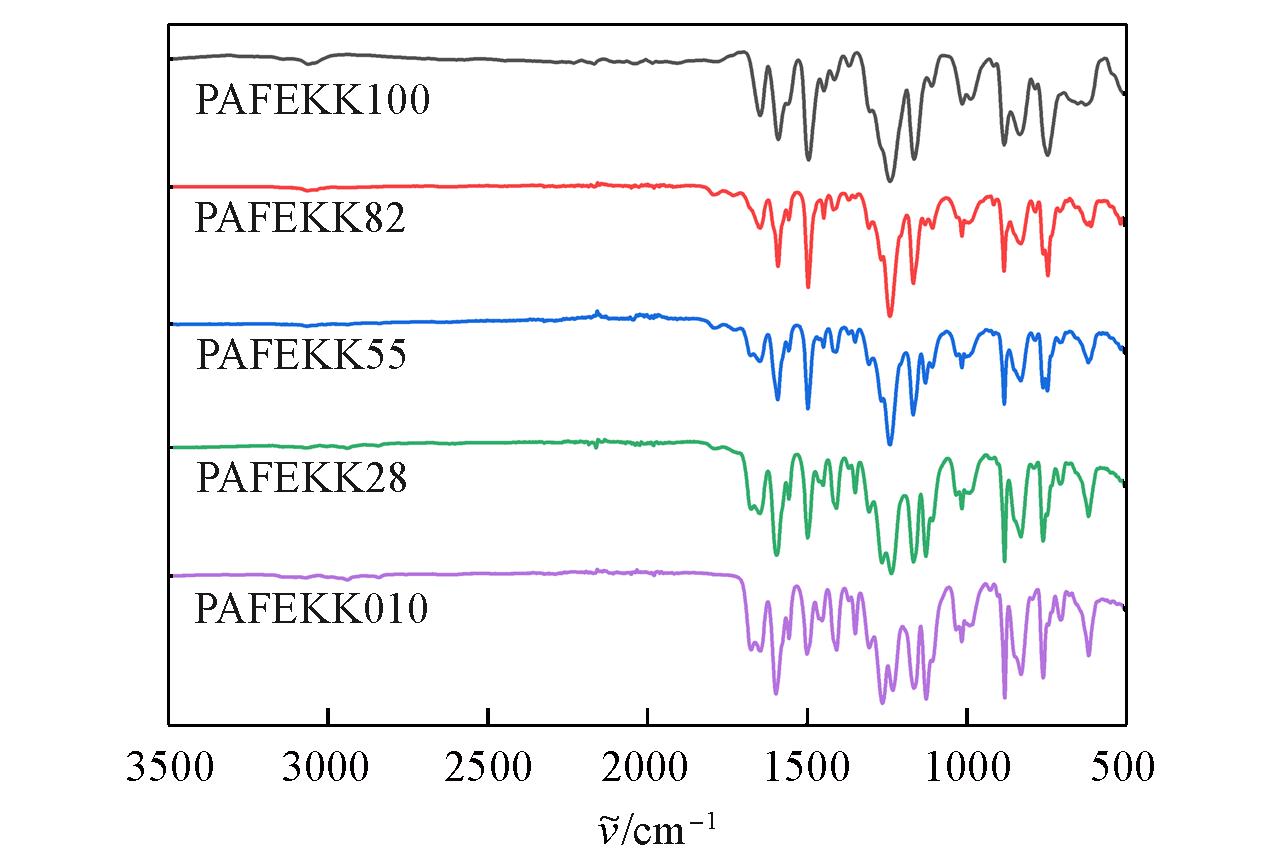
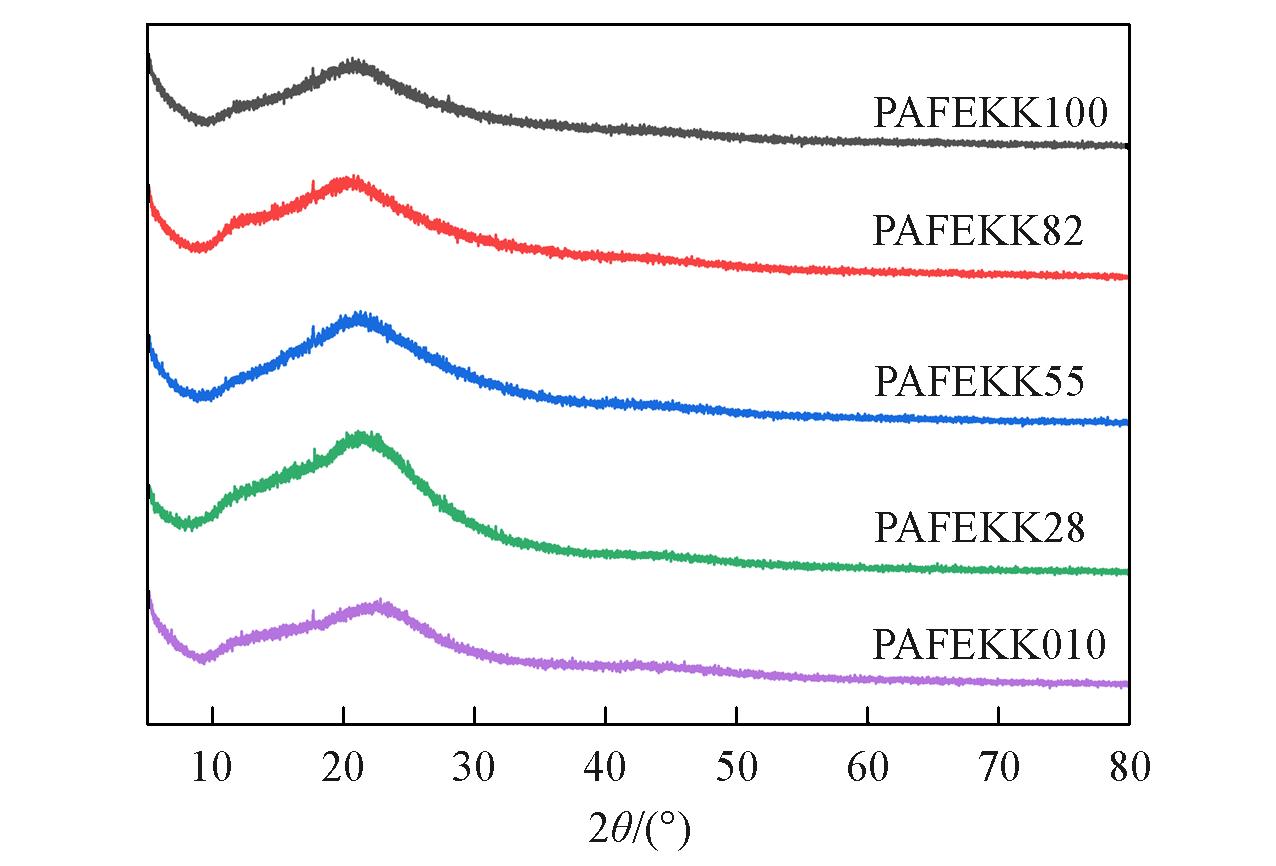
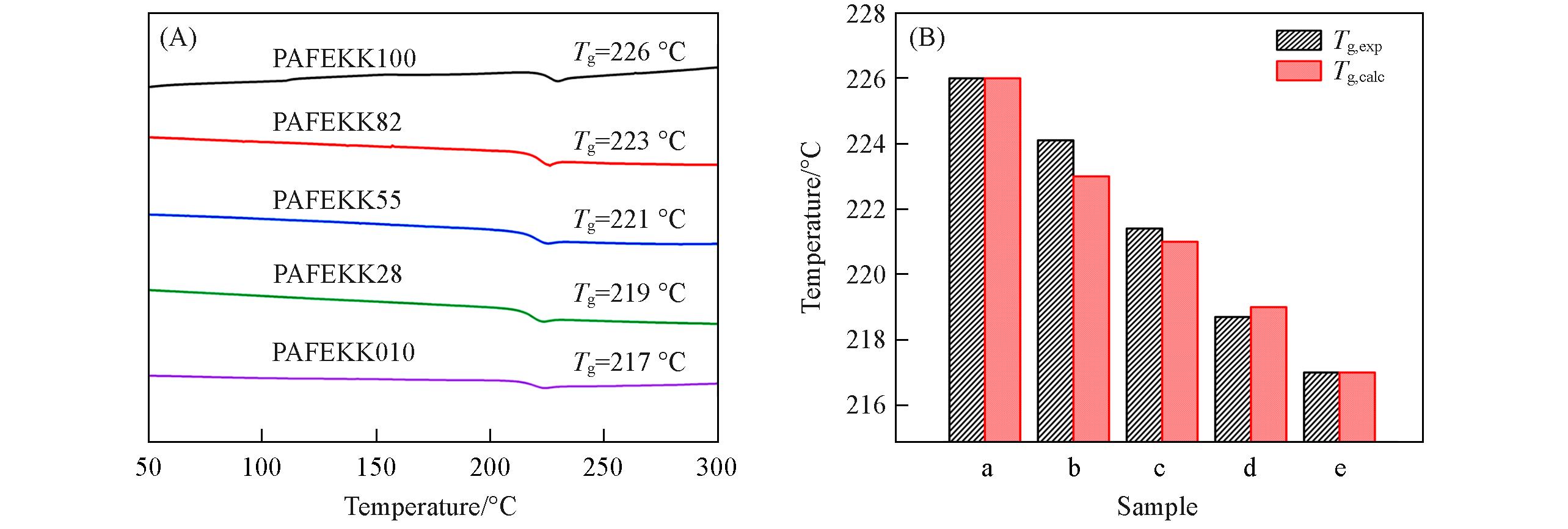
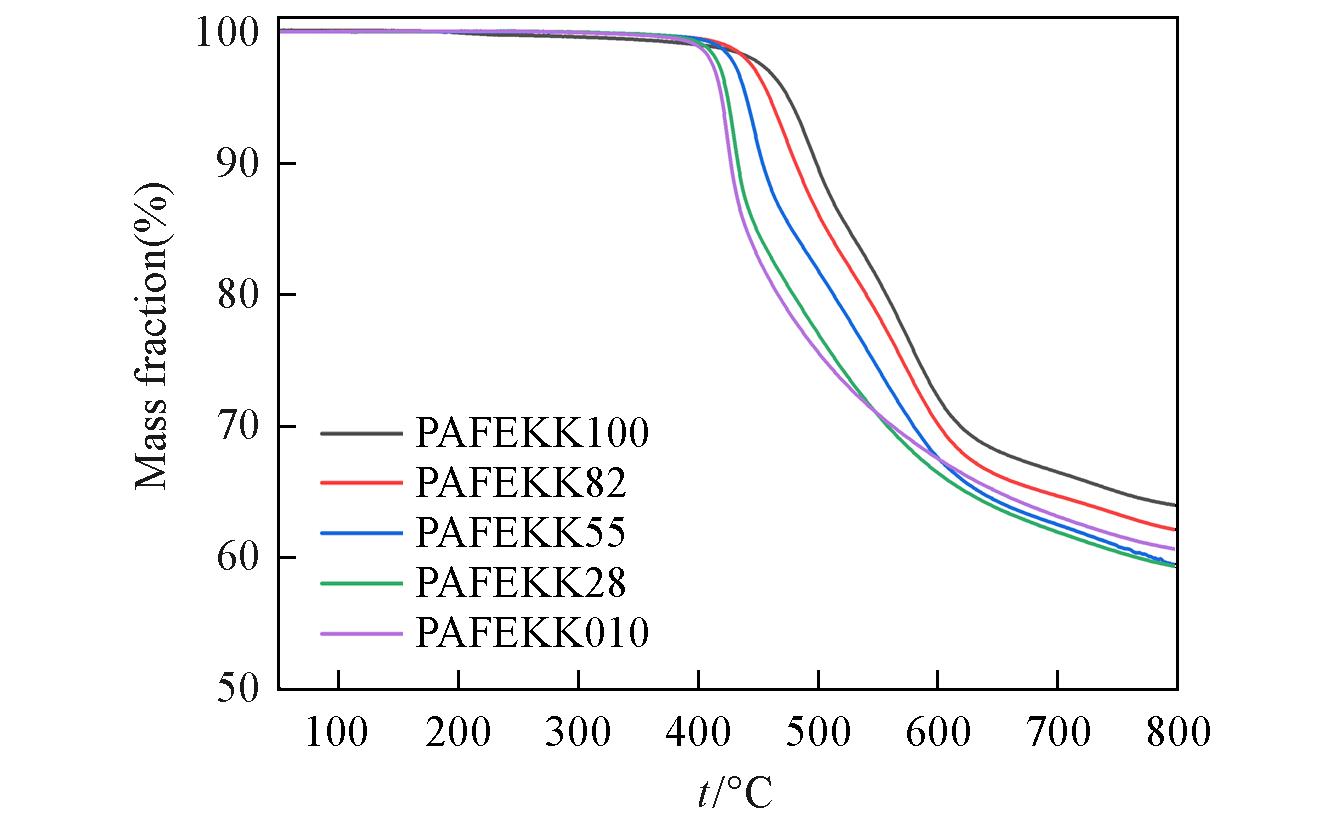
摘要: 本研究首次报道了一种由生物基化合物乙酰丁香酮衍生的新型氧杂环哒嗪酮单体(AGPZ)的合成. 利用Materials Studio对AGPZ与已报道的愈创木酚衍生物单体(GSPZ)的酚氧负离子进行了模拟计算,对比分析表明,AGPZ的亲核取代活性低于GSPZ. 同时,通过AGPZ模型化合物的成功合成确定了AGPZ仍具备足够的亲核取代反应活性. 由AGPZ与2,5-呋喃二甲酸的衍生物2,5-双(4-氟苯酰基)呋喃(BFBF)和双酚芴(BHPF)三元共聚得到一组新型生物基杂环聚芳醚酮(PAFEKKs). 对PAFEKKs的结构与性能进行表征可知,其玻璃化转变温度(Tg)介于217~226 ℃之间,在氮气氛围下5%热失重温度(Td,5%)达到419~474 ℃,该结果反映出PAFEKKs具备优异的耐热性能. 且PAFEKs具有优良的溶解性,能在室温下溶于大多数常见有机溶剂. 该共聚为生物基树脂的制备提供了新结构与新思路,为其他相关结构的单体与树脂的合成提供了可行路径.

关键词: 生物基高分子材料, 聚芳醚酮, 乙酰丁香酮, 分子结构与性能

Abstract: This study reports, for the first time, the synthesis of a heterocyclic pyridazinone monomer (AGPZ) derived from the biobased compound acetosyringone. Theoretical simulations of the phenoxide anions of AGPZ and the previously reported guaiacol-derived monomer 6-(4-hydroxy-3-methoxyphenyl) pyridazin-3(2H)-one (GSPZ) were conducted using Materials Studio. Comparative analysis revealed that the nucleophilic substitution activity of AGPZ is lower than that of GSPZ. Nevertheless, the successful synthesis of an AGPZ model compound confirmed that AGPZ still possesses sufficient nucleophilic substitution reactivity. A series of biobased poly (aryl ether ketone), named as PAFEKKs, was synthesized through ternary copolymerization of AGPZ with the furan-2,5-diylbis((4-fluorophenyl)methanone) (BFBF) and 9,9-bis(4-hydroxyphenyl)fluorene (BHPF). The synthesized PAFEKKs show a glass transition temperature (Tg) in the range of 217~226 °C and a 5% weight loss decomposition temperature (Td,5%) between 419 and 474 °C, demonstrating excellent thermal stability. Furthermore, PAFEKKs exhibit good solubility, readily dissolving in most common organic solvents at room temperature. This copolymerization strategy utilizing biomass-derived monomers offers a molecular design and synthetic route for biobased resins, presenting a promising avenue for the development of sustainable monomers and polymers with diverse structural architectures.

Key words: Biobased polymer materials, Poly(aryl ether ketone)s, Acetosyringone, Molecular structure and Performance

中图分类号: 

TrendMD: