高等学校化学学报 ›› 2026, Vol. 47 ›› Issue (7): 20260072.doi: 10.7503/cjcu20260072

• 有机化学 • 上一篇    下一篇

3-(1H-吲哚-4-基)-1-(嘧啶-2-基)丙-2--1-酮拼接螺环氧化吲哚衍生物的合成及抗肺癌活性

杨俊1, 黄冬燕1, 梁光平1(), 刘雄利2()   

  1. 1.遵义医药高等专科学校, 遵义 563006
    2.贵州大学西南药食两用资源开发利用技术国家地方联合工程研究中心, 贵阳 550025
  • 收稿日期:2026-02-05 出版日期:2026-07-10 发布日期:2026-03-05
  • 通讯作者: 梁光平 E-mail:746641572@qq.com;xlliu1@gzu.edu.cn
  • 作者简介:刘雄利, 男, 博士, 教授, 主要从事不对称催化合成方面的研究. E-mail: xlliu1@gzu.edu.cn
  • 基金资助:
    贵州省卫生健康委员会科学技术基金(批准号: gzwkj[2026]134)、 遵义市科技合作计划项目(批准号: [2025]238, [2024]398)和遵义医药高等专科学校科研团队建设项目(批准号: 遵医专团队[2026]02号)资助

Synthesis and Anti-lung Cancer Activity of 3-(1H-indol-4-yl)-1-(pyrimidin-2-yl)prop-2-en-1-one-spirooxindole Hybrid Derivatives

YANG Jun1, HUANG Dongyan1, LIANG Guangping1(), LIU Xiongli2()   

  1. 1.Zunyi Medical And Pharmaceutical College,Zunyi 563006,China
    2.National & Local Joint Engineering Research Center for the Exploition of Homology Resources of Medicine and Food,Guizhou University,Guiyang 550025,China
  • Received:2026-02-05 Online:2026-07-10 Published:2026-03-05
  • Contact: LIANG Guangping E-mail:746641572@qq.com;xlliu1@gzu.edu.cn
  • Supported by:
    the Guizhou Provincial Health Commission Science and Technology Fund Project, China(gzwkj[2026]134);the Science and Technology Project of Zunyi City, China([2025]238);the Scientific research team building project of Zunyi Medical and Pharmaceutical College, China([2026]02)

摘要:

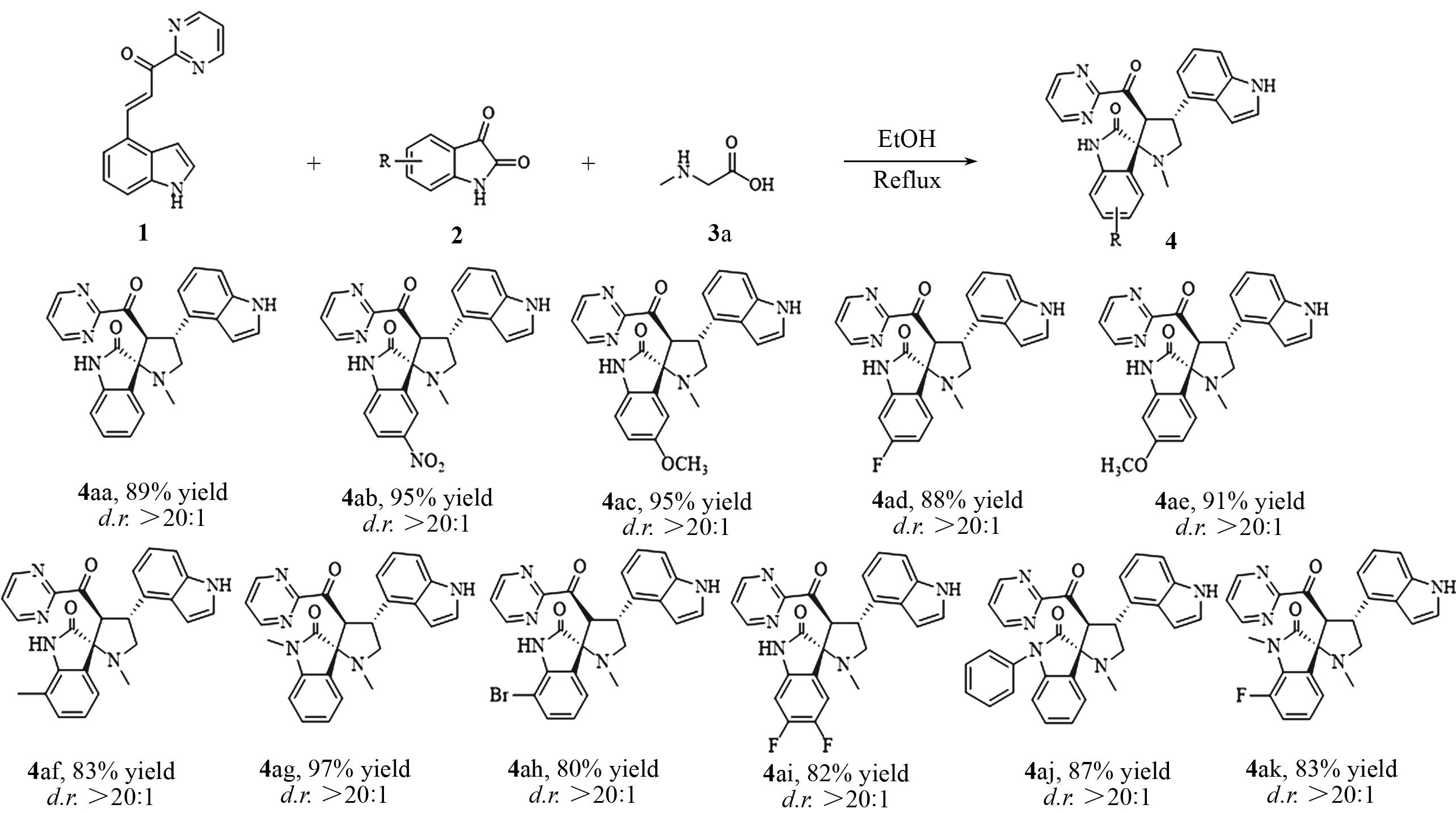
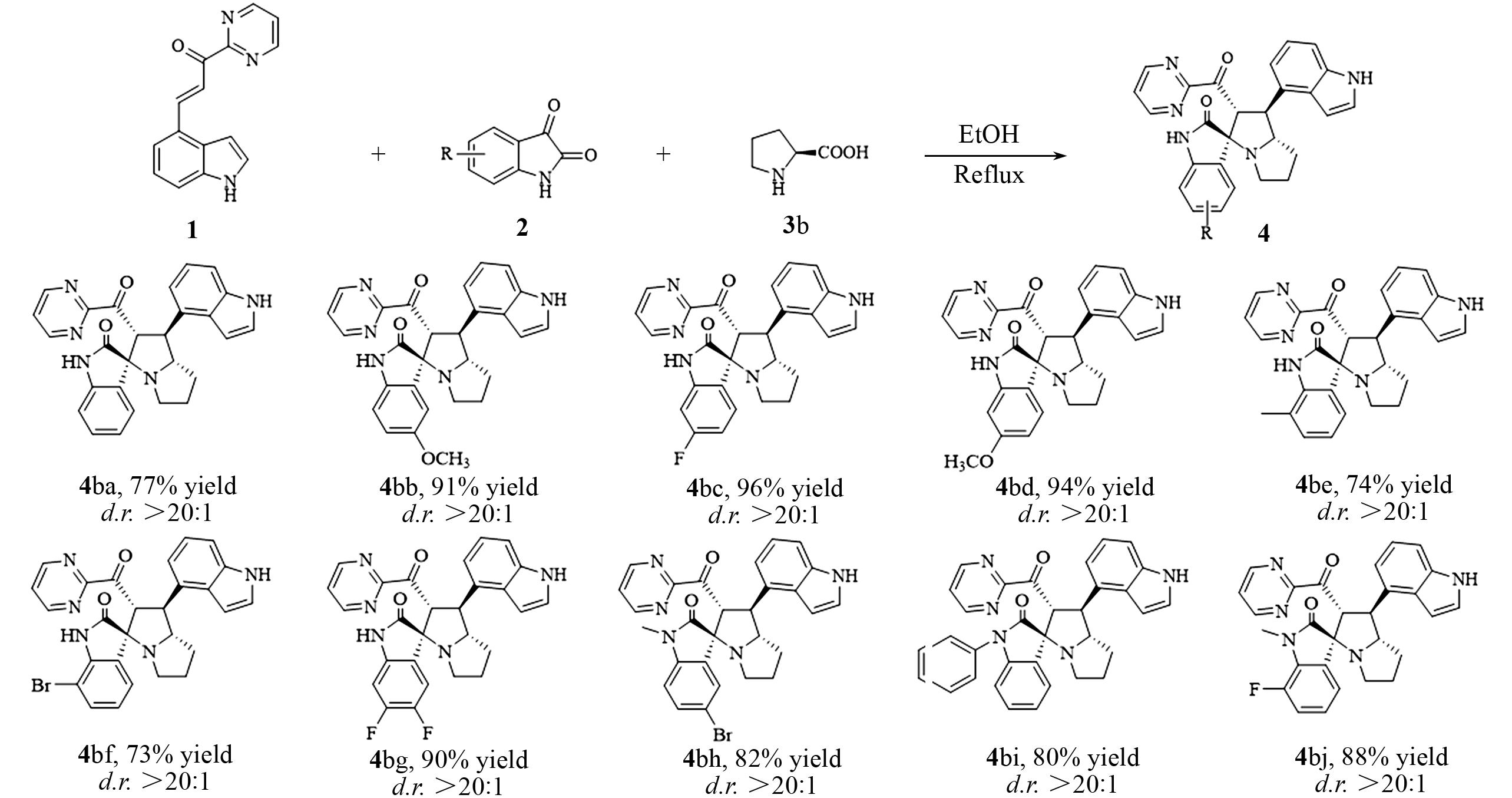
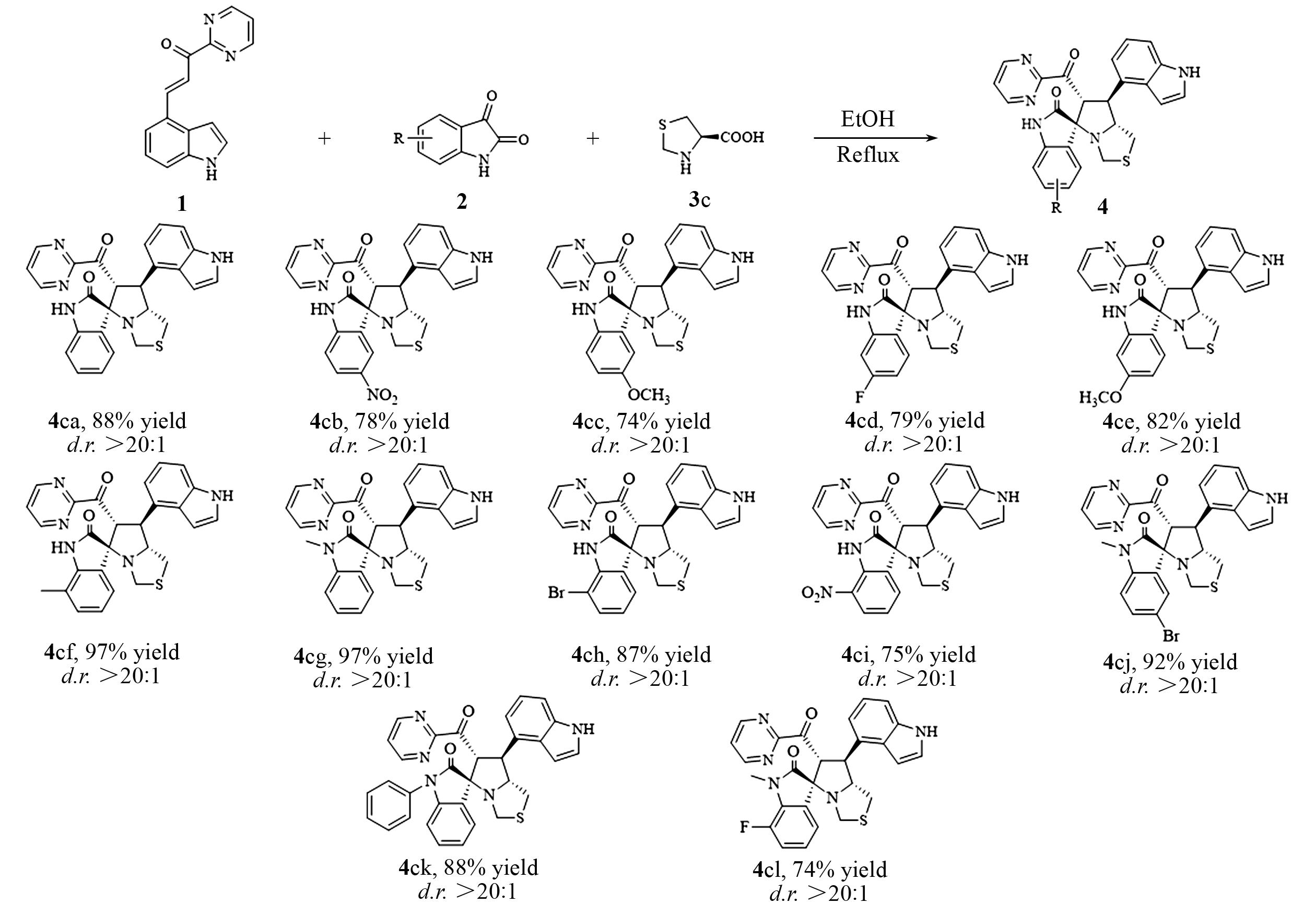
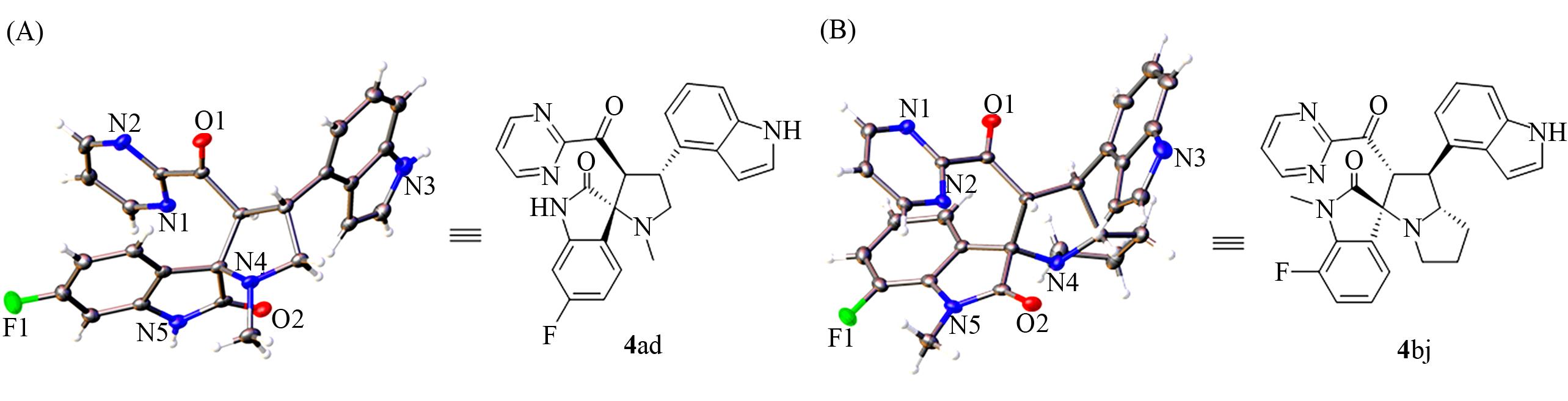
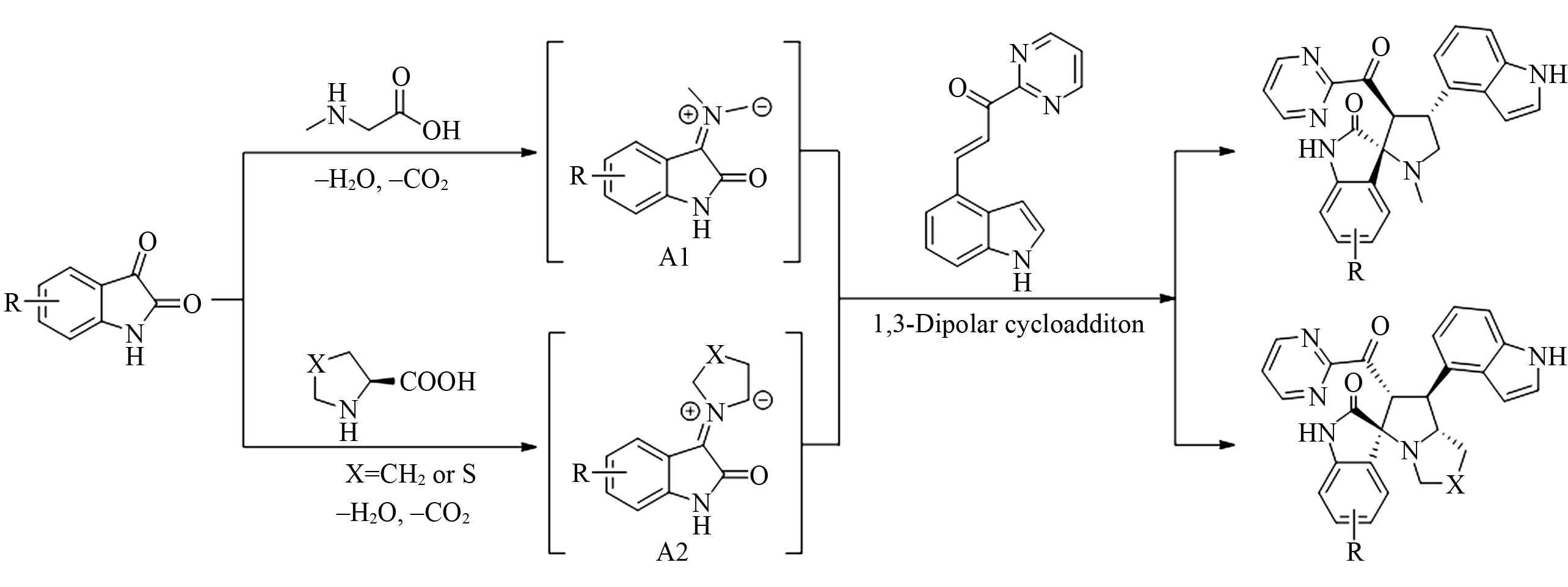
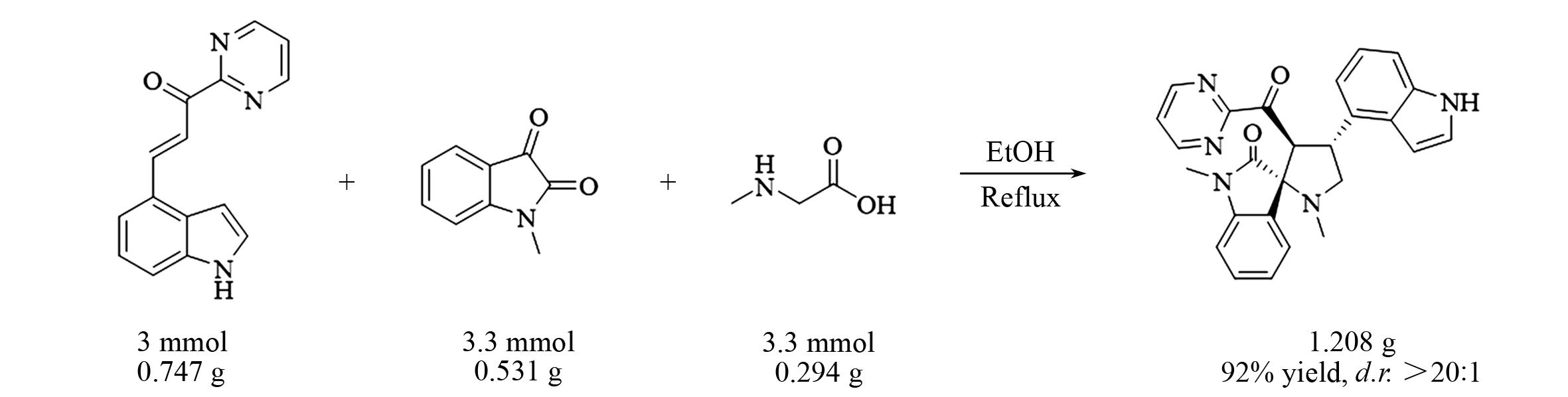
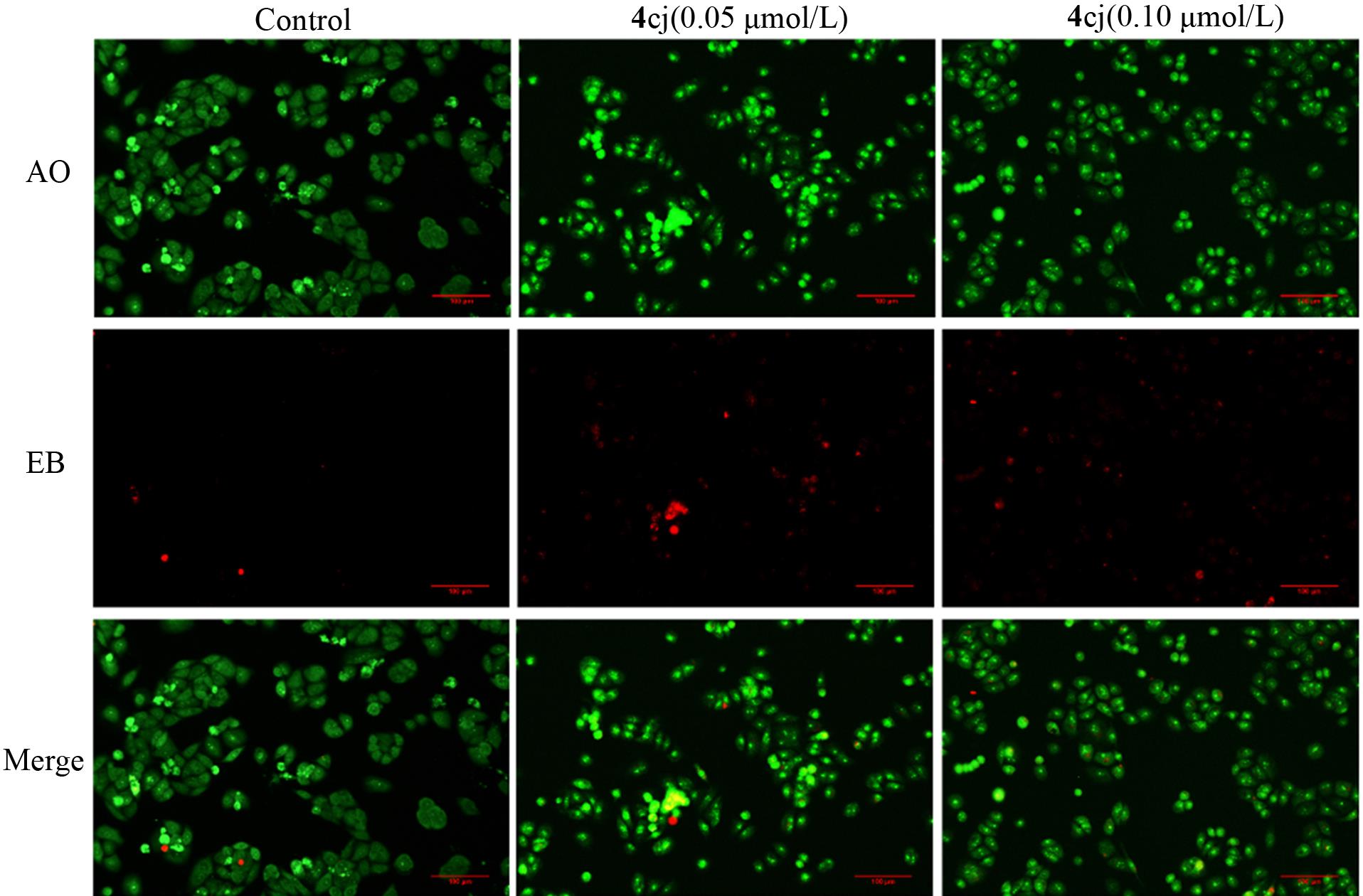
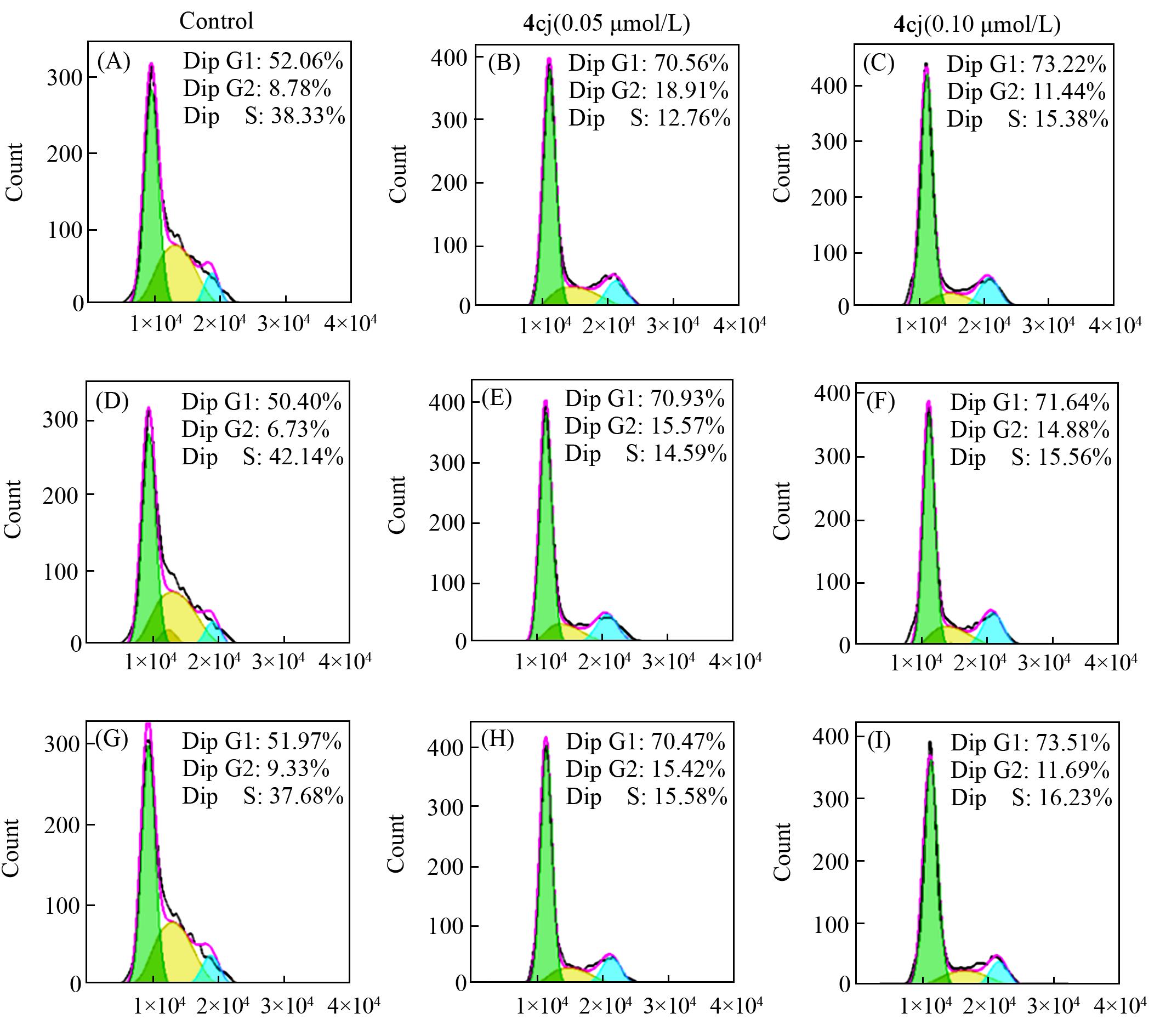
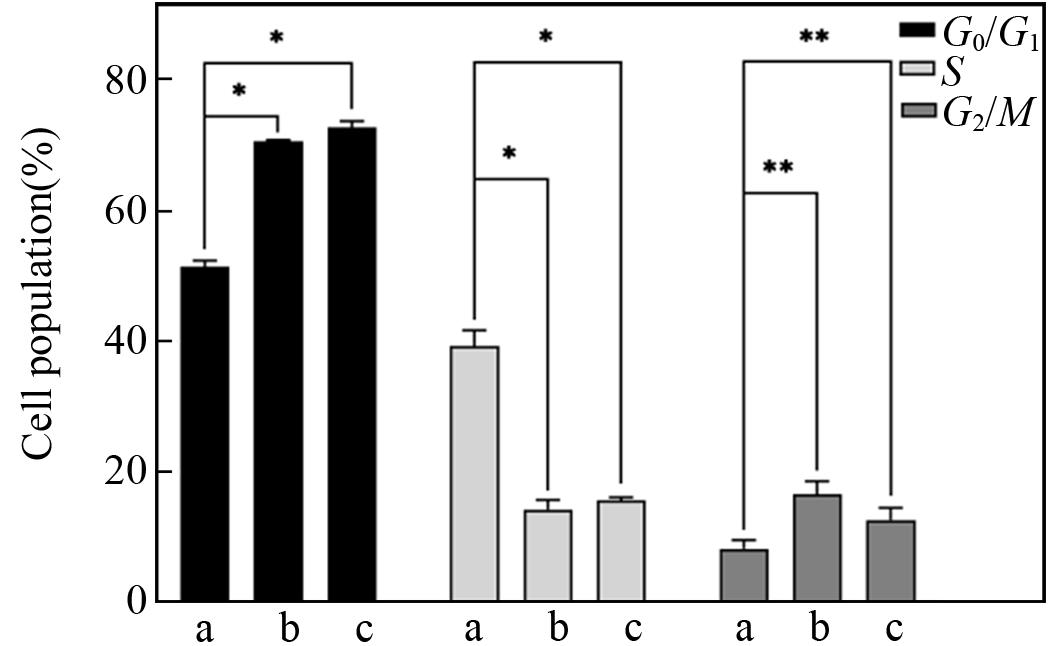
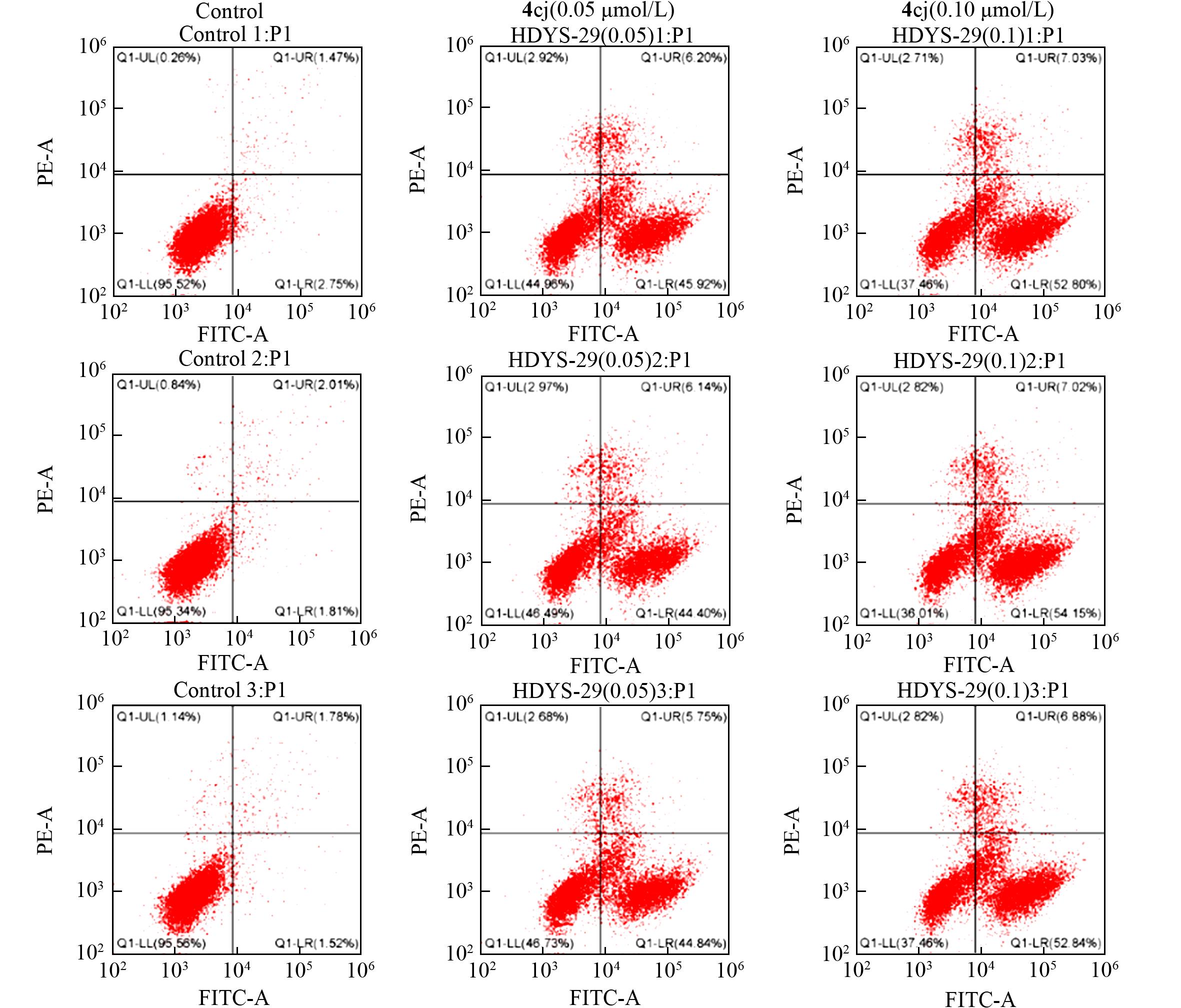
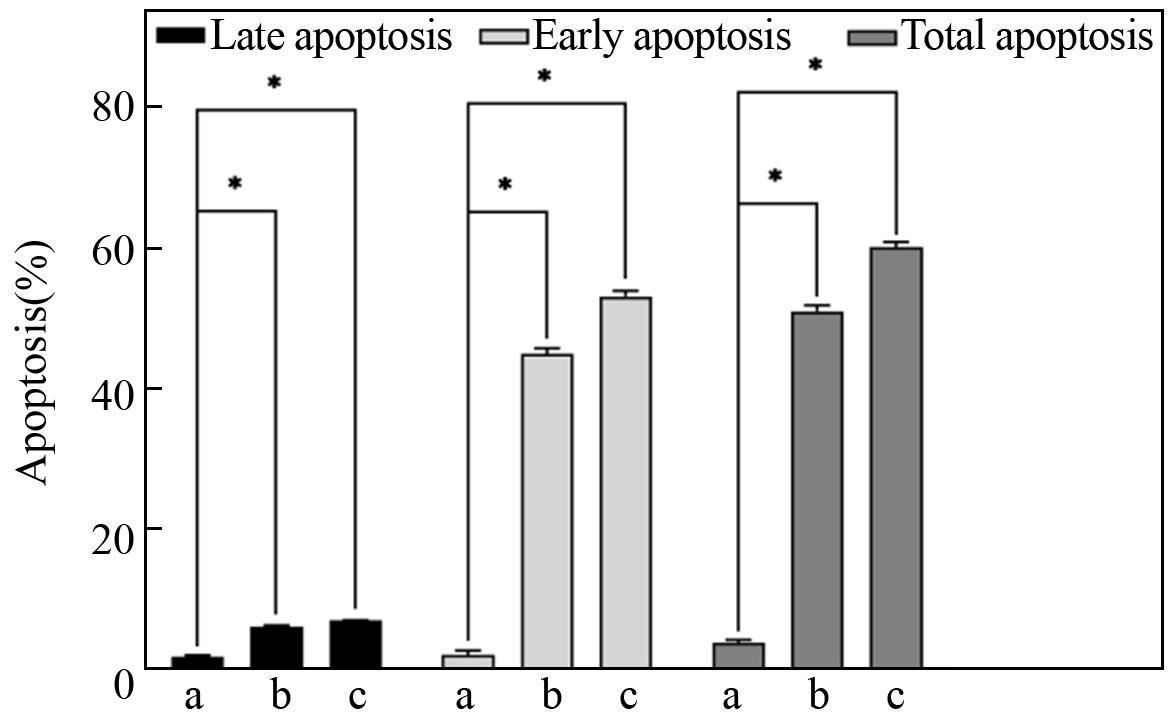
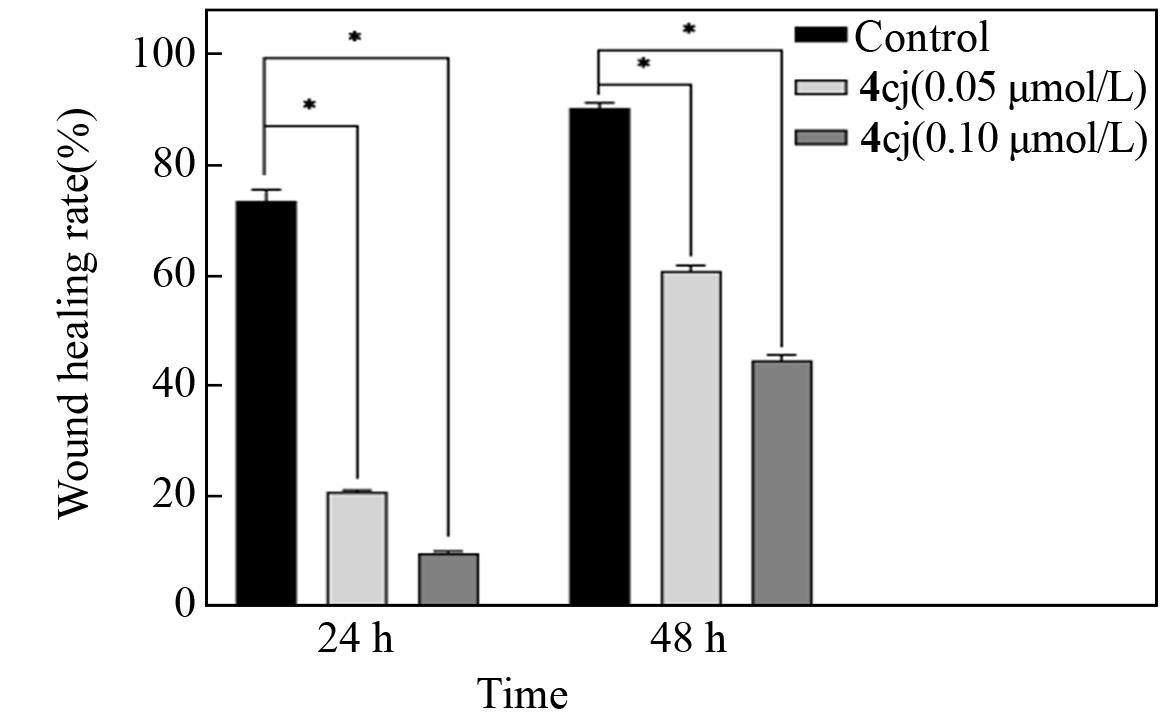
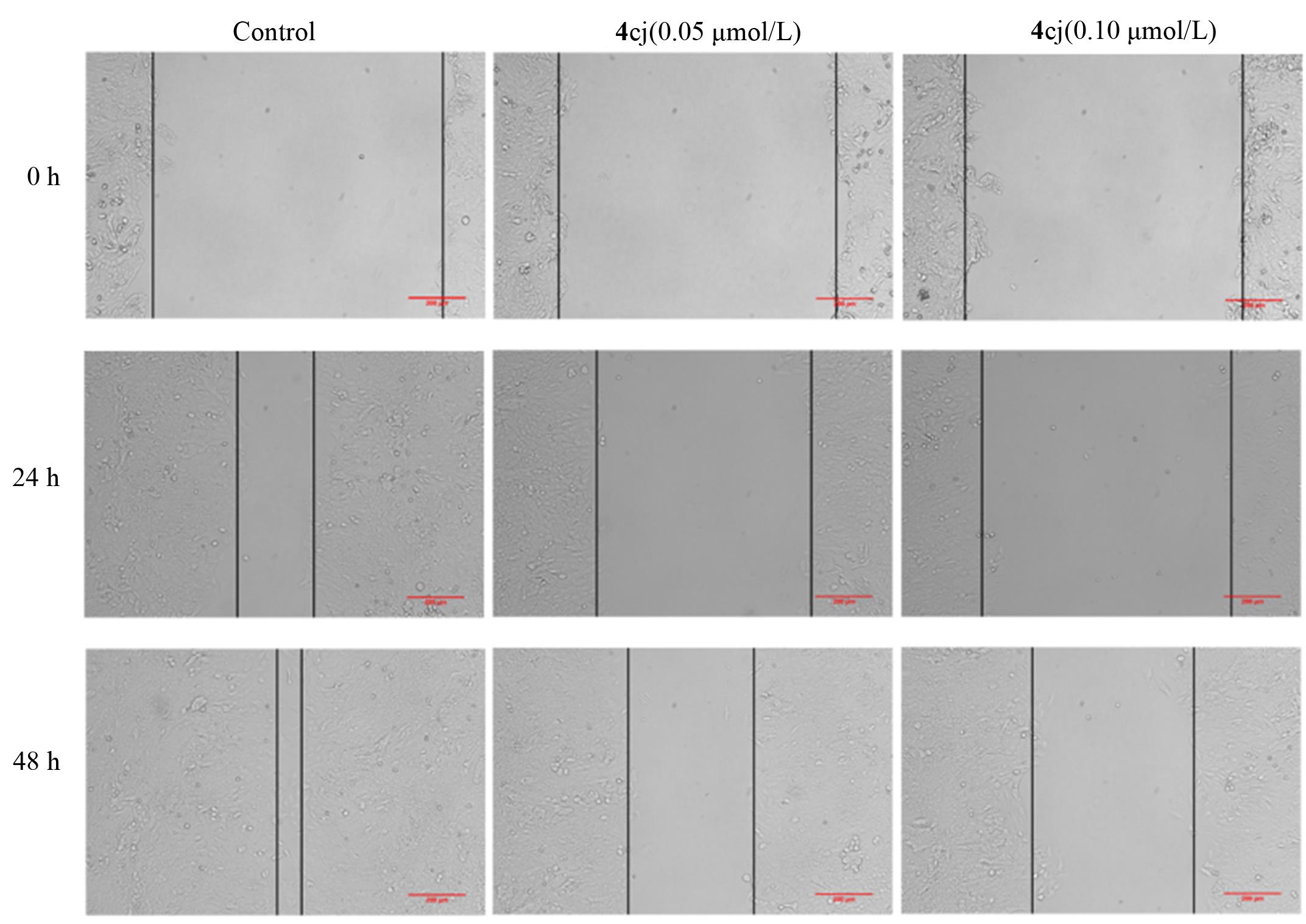
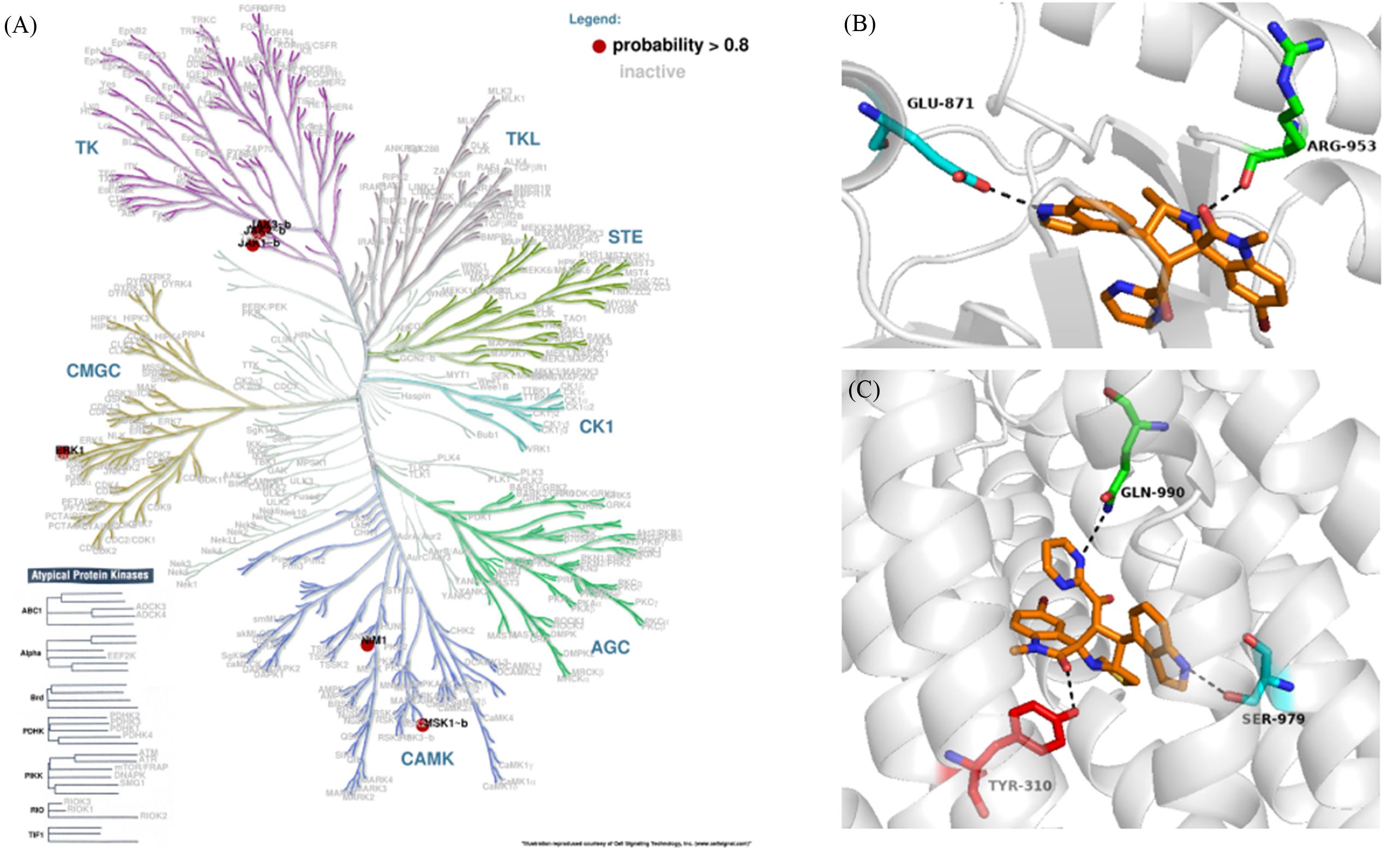
为寻找新型抗肺癌活性化合物, 将靛红分别与肌氨酸、 脯氨酸及硫代脯氨酸进行脱羧反应得到1,3-偶极体, 将3-(1H-吲哚-4-基)-1-(嘧啶-2-基)丙-2-烯-1-酮作为亲偶极体, 二者发生1,3-偶极环加成反应得到33个目标化合物; 其结构通过核磁共振氢谱、 碳谱和高分辨质谱表征, 相对构型通过X射线单晶衍射确定. 通过Kit-8细胞计数法测定了目标化合物对人肺腺癌耐顺铂细胞株(A549/DDP)和人非小细胞肺癌细胞株(A549)的体外抑制活性, 发现该类化合物对A549和A549/DDP细胞均具有较好的抑制活性, 且对耐药株A549/DDP具有较高的选择性. 其中, 化合物4cj对A549/DDP表现出极佳的抑制活性[半数抑制浓度(IC50)=(0.037±0.002) μmol/L]及选择性, 是阳性对照药顺铂[IC50=(2.496±0.117) μmol/L]的60多倍, 可以显著阻滞A549/DDP细胞静止期(G0)和DNA合成前期(G1), 诱导细胞凋亡, 抑制细胞迁移能力, 其作用机制可能与非受体型酪氨酸激酶(JAK)及P-糖蛋白(P-gp靶点)有关. 研究结果表明, 化合物4cj可作为先导化合物, 继续研究开发成为高效、 高选择性的抗肺癌耐药剂.

关键词: 3-螺环氧化吲哚, 嘧啶, 衍生物, 抗肿瘤活性

Abstract:

Aiming to search for novel anti-lung cancer active compounds, 1,3-dipoles were obtained by decarboxy-lation of isatin with sarcosine, proline and thioproline, respectively, and then 1,3-dipole cycloaddition reactions were carried out with 3-(1H-indol-4-yl)-1-(2-pyrimidinyl)-2-propen-1-one as the dipole philophore to obtain a total of 33 target compounds. Their structures were characterized by means of nuclear magnetic resonance hydrogen spectrum, nuclear magnetic resonance carbon spectrum and high Resolution mass spectrometry, and the relative configurations was determined by X-ray single crystal diffraction. The in vitro inhibitory activities of the target compound on cisplatin-resistant human lung adenocarcinoma cell line(A549/DDP) and human non-small cell lung cancer cell line(A549) were determined by the cell counting kit-8. This type of compound had good inhibitory activity against both A549 and A549/DDP cells, and had high selectivity against the drug-resistant strain A549/DDP. Compound 4cj showed excellent inhibitory activity[half maximal inhibitory concentration(IC50)=(0.037±0.002) μmol/L] and selectivity against A549/DDP, which was more than 60 times that of the positive control drug cisplatin[IC50=(2.496±0.117) μmol/L], and could significantly block the cell quiescence(G0) and DNA synthesis prophase(G1) of A549/DDP cells, induce cell apoptosis and inhibit cell migration ability, its mechanism of action may be associated with the Janus kinase(JAK) and P-glycoprotein targets(P-gp). The above results indicated that compound 4cj can be used as a lead compound for further research and development into a highly efficient and selective anti-lung cancer drug.

Key words: 3-Spirooxindole, Pyrimidine, Derivative, Antitumor activity

中图分类号: 

TrendMD: