

高等学校化学学报 ›› 2026, Vol. 47 ›› Issue (4): 20260002.doi: 10.7503/cjcu20260002
孙妍, 朱东霞( )
)
收稿日期:2026-01-01
出版日期:2026-04-10
发布日期:2026-02-04
通讯作者:
朱东霞
E-mail:zhudx047@nenu.edu.cn
基金资助:
SUN Yan, ZHU Dongxia()
Received:2026-01-01
Online:2026-04-10
Published:2026-02-04
Contact:
ZHU Dongxia
E-mail:zhudx047@nenu.edu.cn
Supported by:摘要:
光疗[主要包括光动力疗法(PDT)和光热疗法(PTT)]作为一种非侵入性替代疗法, 具有精准性和极小的副作用. 与无机光敏材料相比, 有机光敏材料在生物相容性、 结构可调性和精确结构纯度方面具有优势. 然而, 大多数临床批准的光敏剂都需要通过可见光(400~700 nm)激活, 并且有限的组织穿透深度严重限制了其治疗效果. 相比之下, 近红外光(NIR, 700~2500 nm)具有优越的组织穿透能力, 并且对健康组织造成的损害较小, 成为生物医学应用的最佳光学窗口. 因此, 开发高性能的近红外吸收有机光敏材料具有重要意义. 本文综合评述了近红外有机光敏材料的分子设计、 性能优化及生物应用策略, 为构建诊疗一体化的新一代光疗平台提供了前瞻性视角.
中图分类号:
TrendMD:
孙妍, 朱东霞. 近红外激发有机发光材料的构筑及在疾病治疗中的应用. 高等学校化学学报, 2026, 47(4): 20260002.
SUN Yan, ZHU Dongxia. Construction of Near-infrared Triggered Organic Photosensitive Materials and Their Applications in Disease Treatment. Chem. J. Chinese Universities, 2026, 47(4): 20260002.
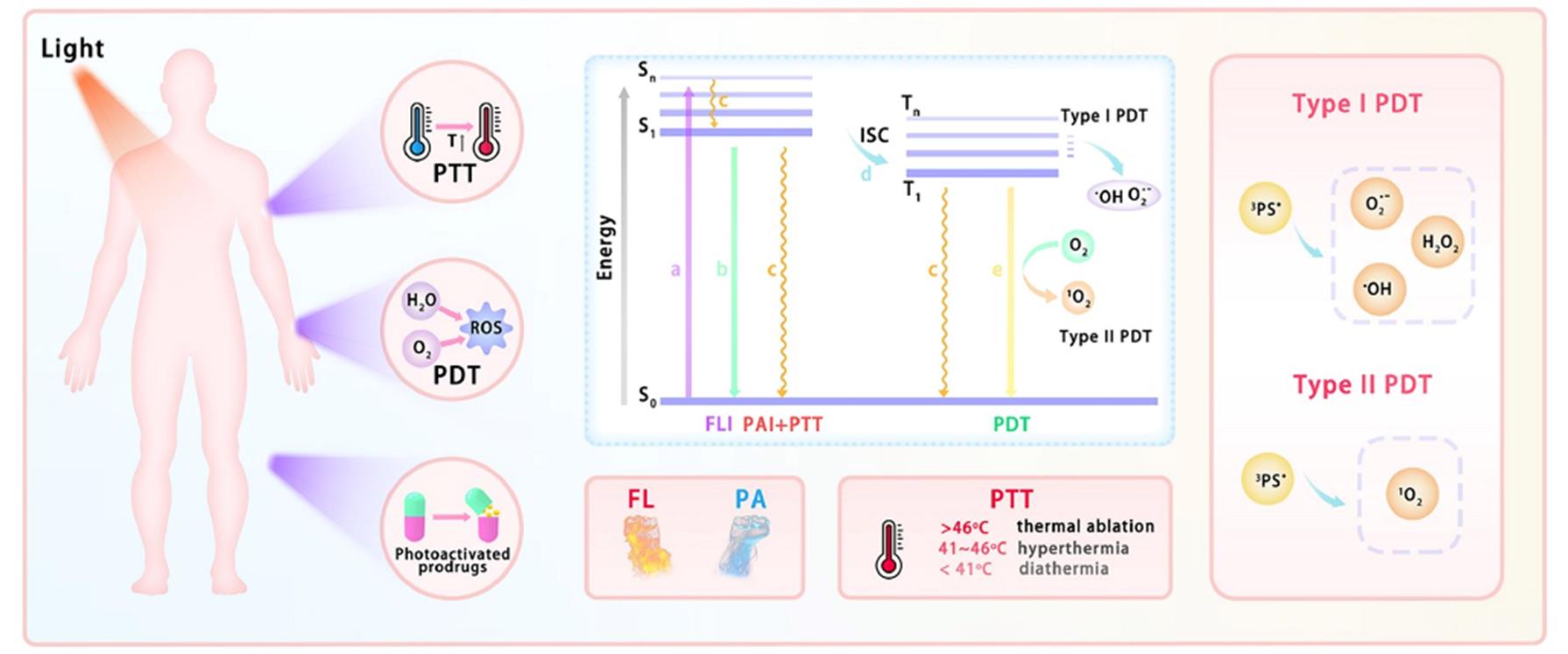
Fig.1 Jablonski diagram[12]Copyright 2025, Science China Press.
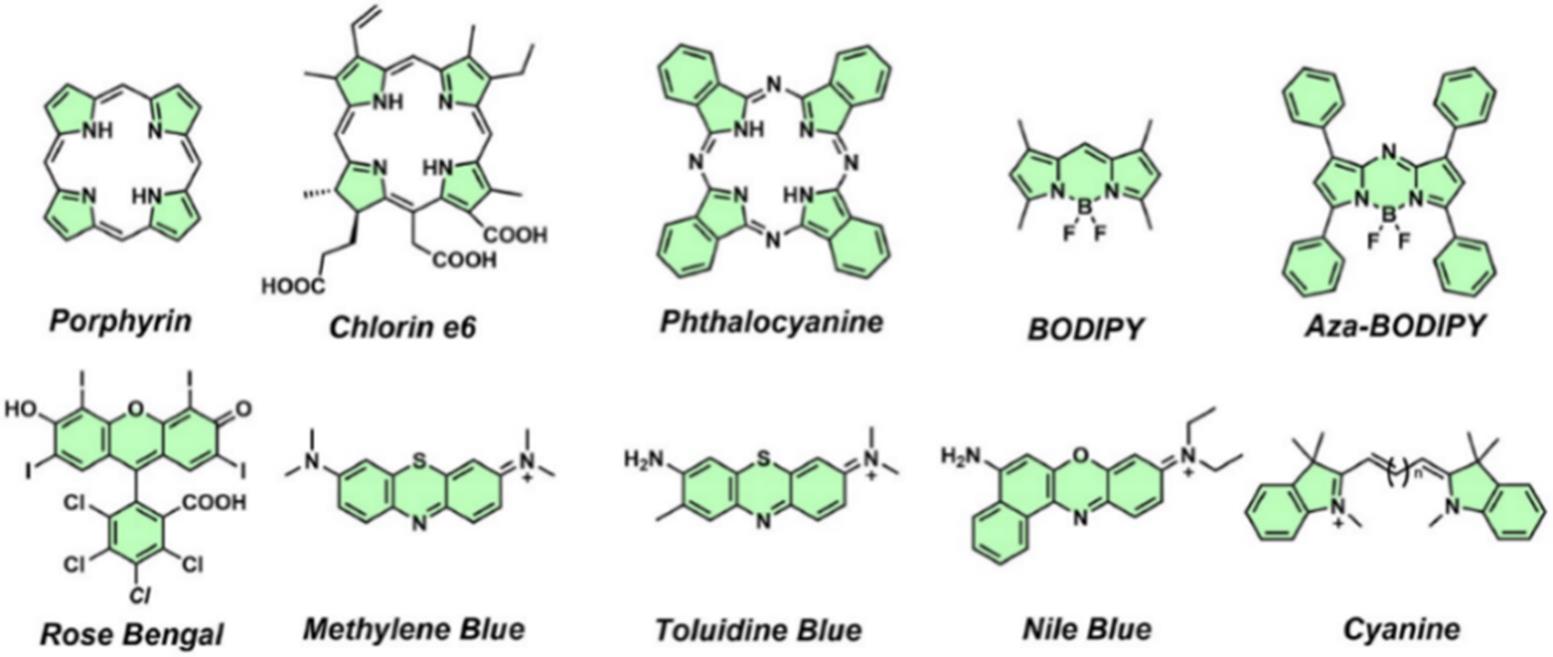
Fig.2 Chemical structures of the first⁃generation and second⁃generation classical photosensitizers[12]Copyright 2024, Science China Press.
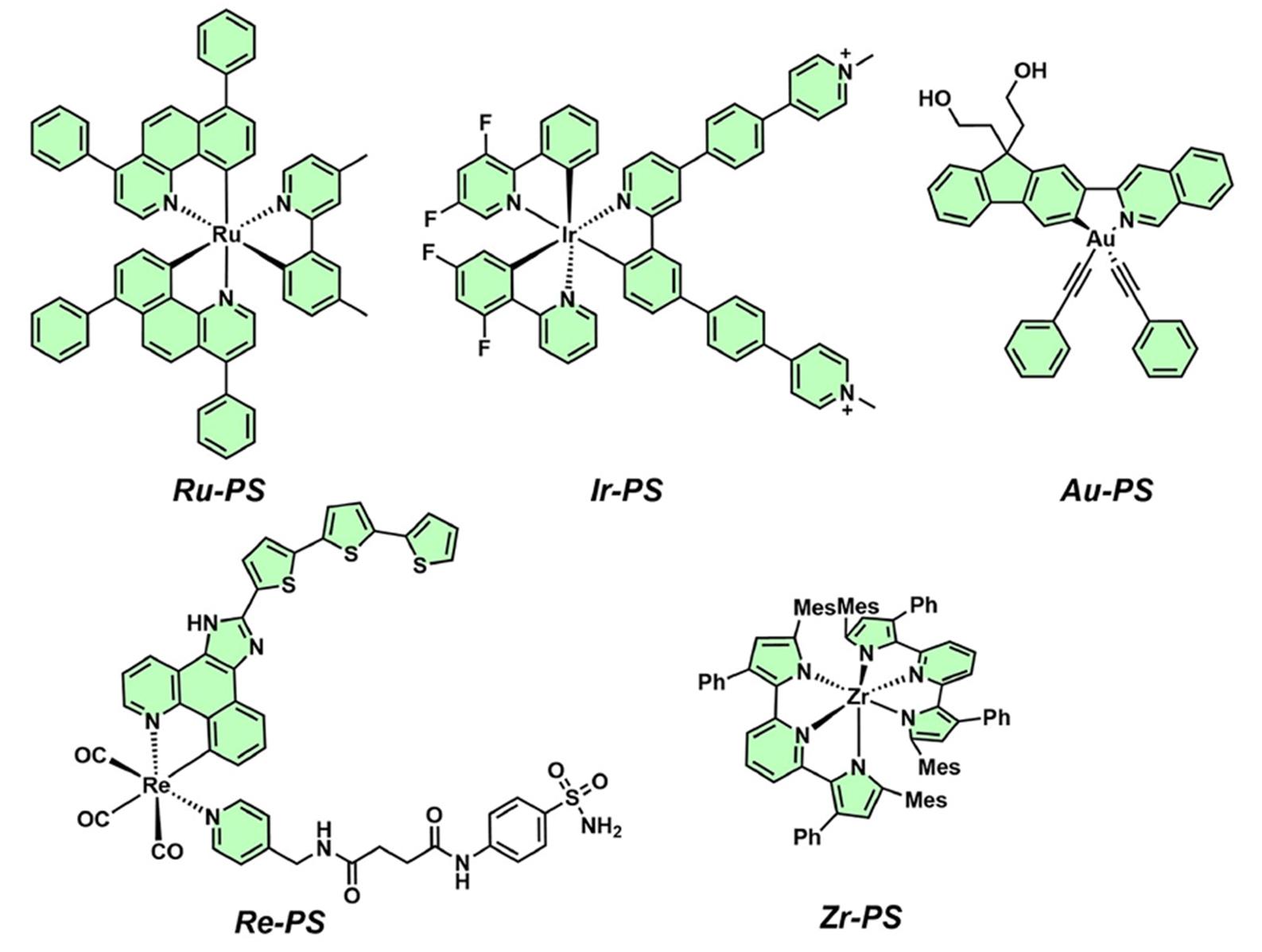
Fig.3 Chemical structures of metal complex⁃based PSs[12]Copyright 2024, Science China Press.
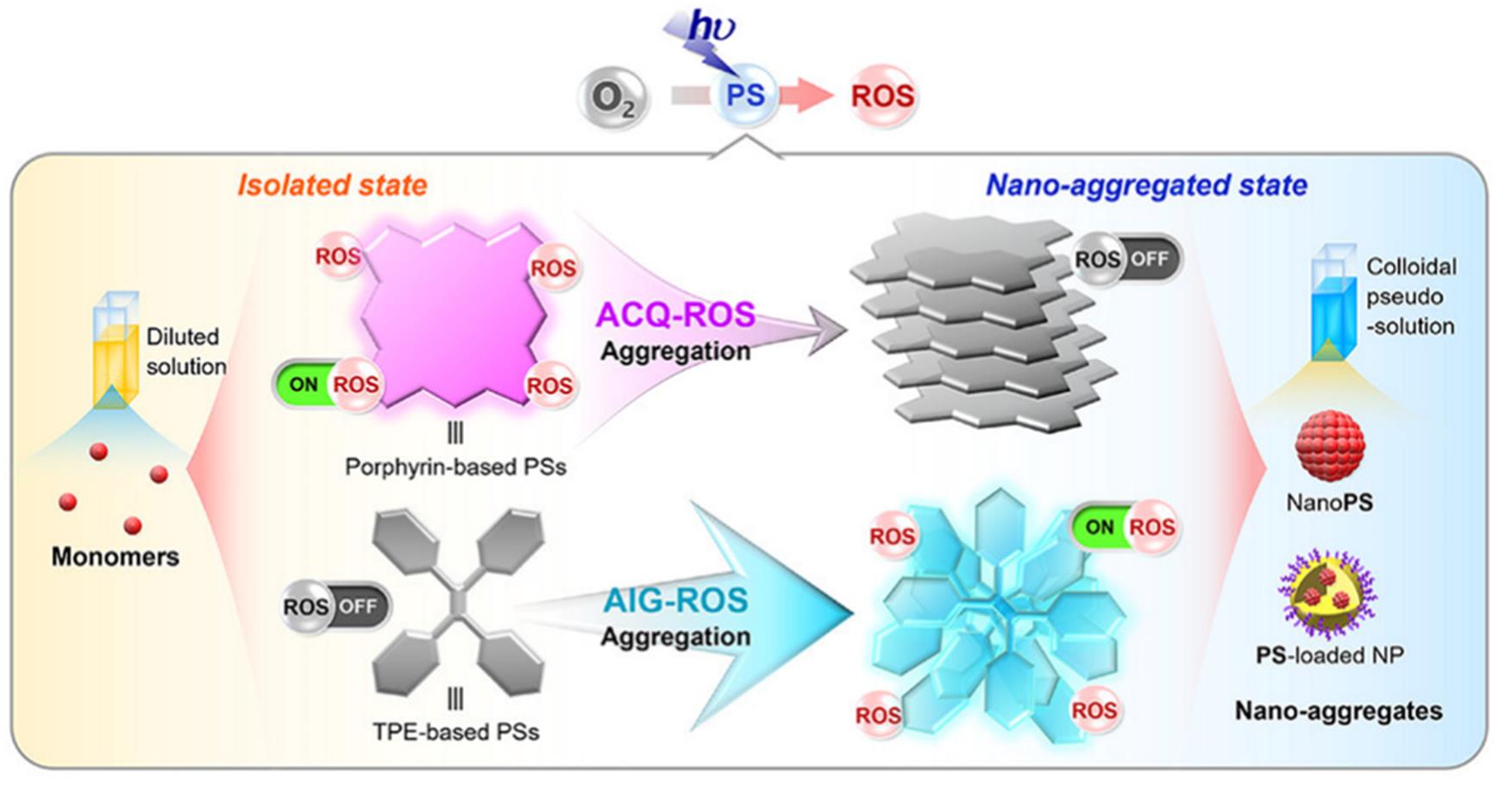
Fig.4 Schematic diagrams of ACQ⁃ROS and AIG⁃ROS[41]Copyright 2024, the Authors. Aggregate published by SCUT, AIEI and John Wiley & Sons Australia, Ltd.
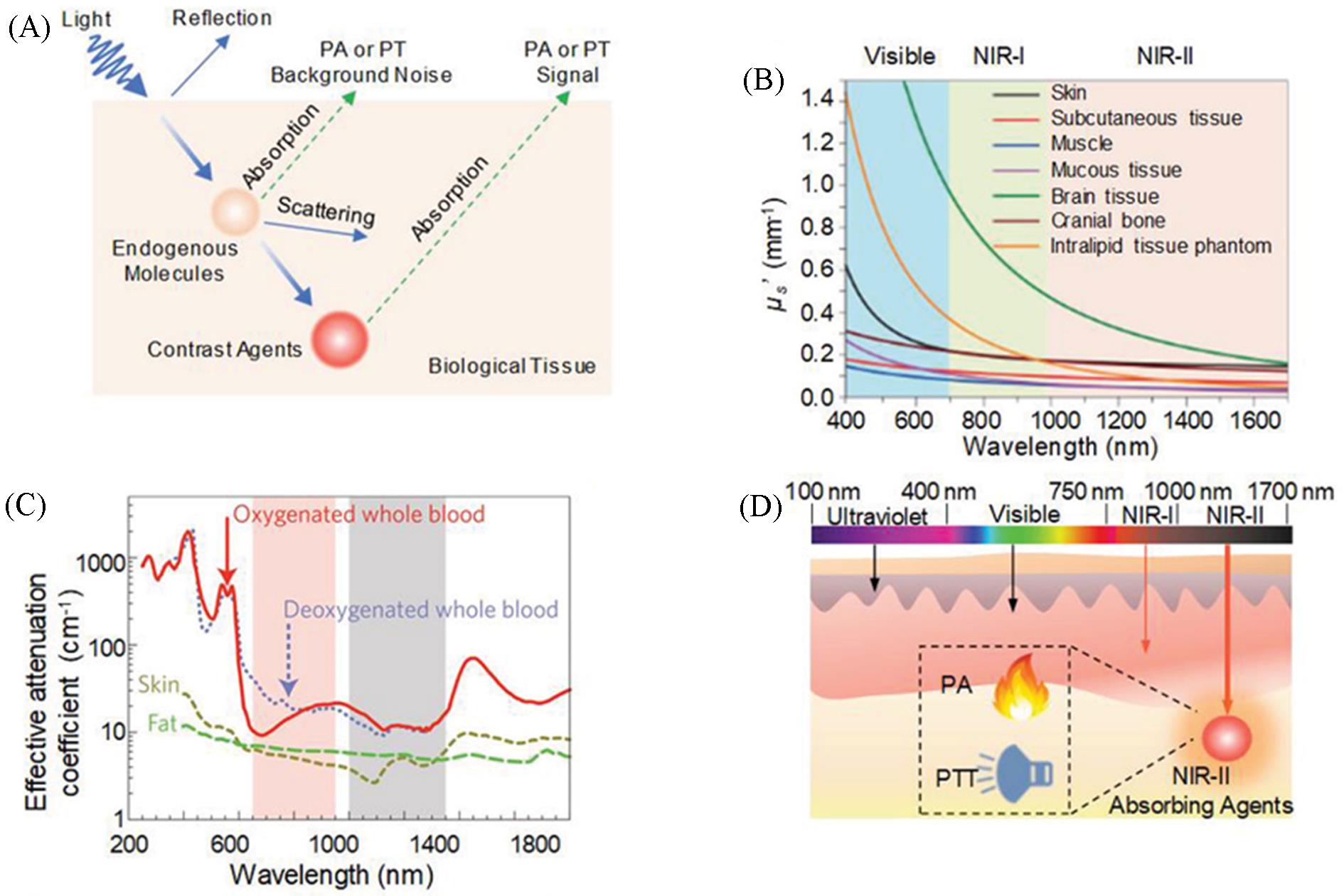
Fig.5 Comparison of optical properties between the NIR⁃II and NIR⁃I windows[50]Copyright 2019, WILEY‐VCH Verlag GmbH & Co. KGaA, Weinheim.
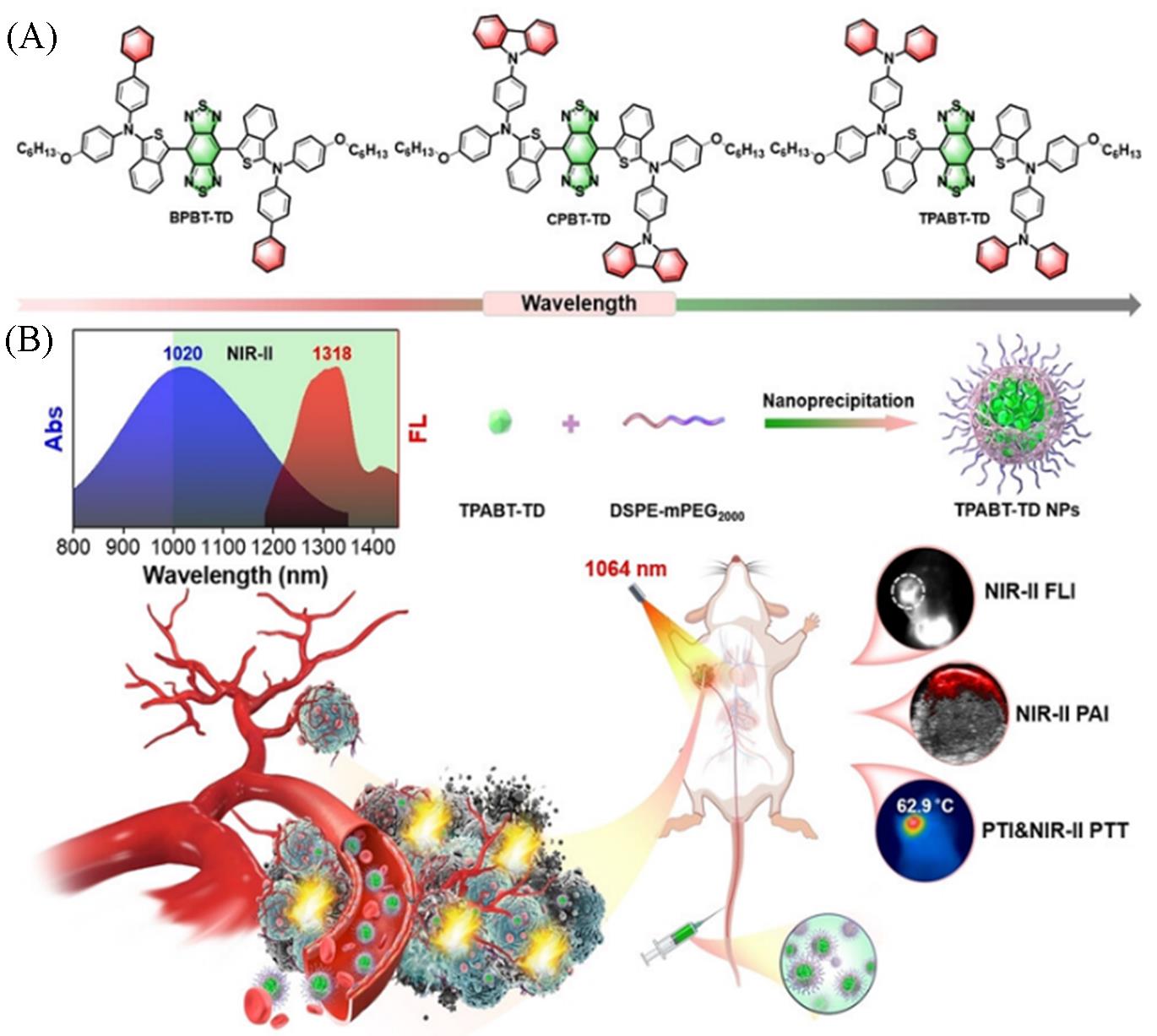
Fig.6 Molecular Design of TPABT⁃TD and Its Applications[82]Copyright 2024, WILEY‐VCH Verlag GmbH.
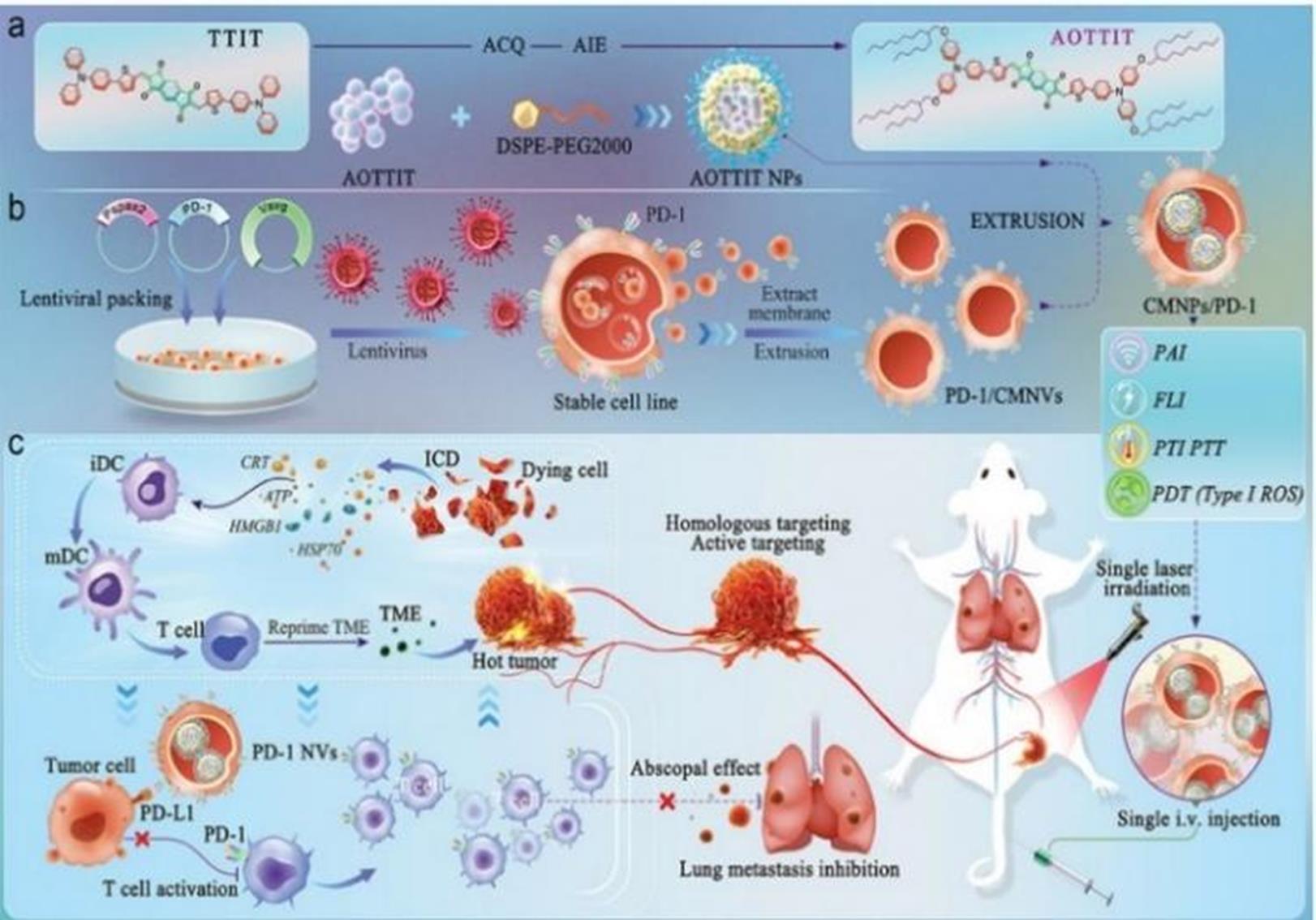
Fig.7 Molecular structure of AOTTIT and its application in primary tumors and lung metastases[86]Copyright 2025, WILEY‐VCH Verlag GmbH.
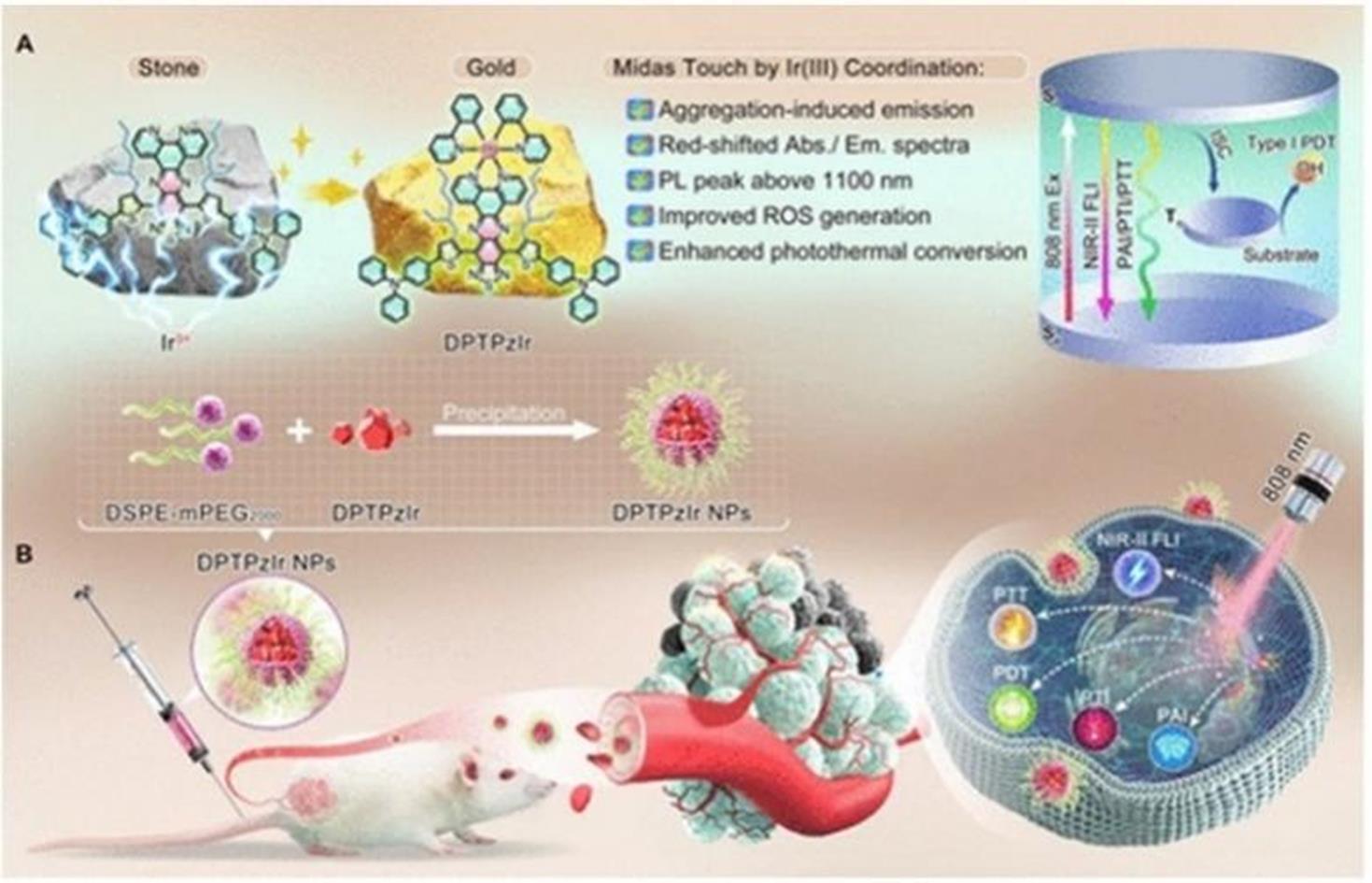
Fig.8 Structural evolution of DPTPzIr and its application diagram as a multimodal optical diagnostic and therapeutic agent[88]Copyright 2025, American Chemical Society.
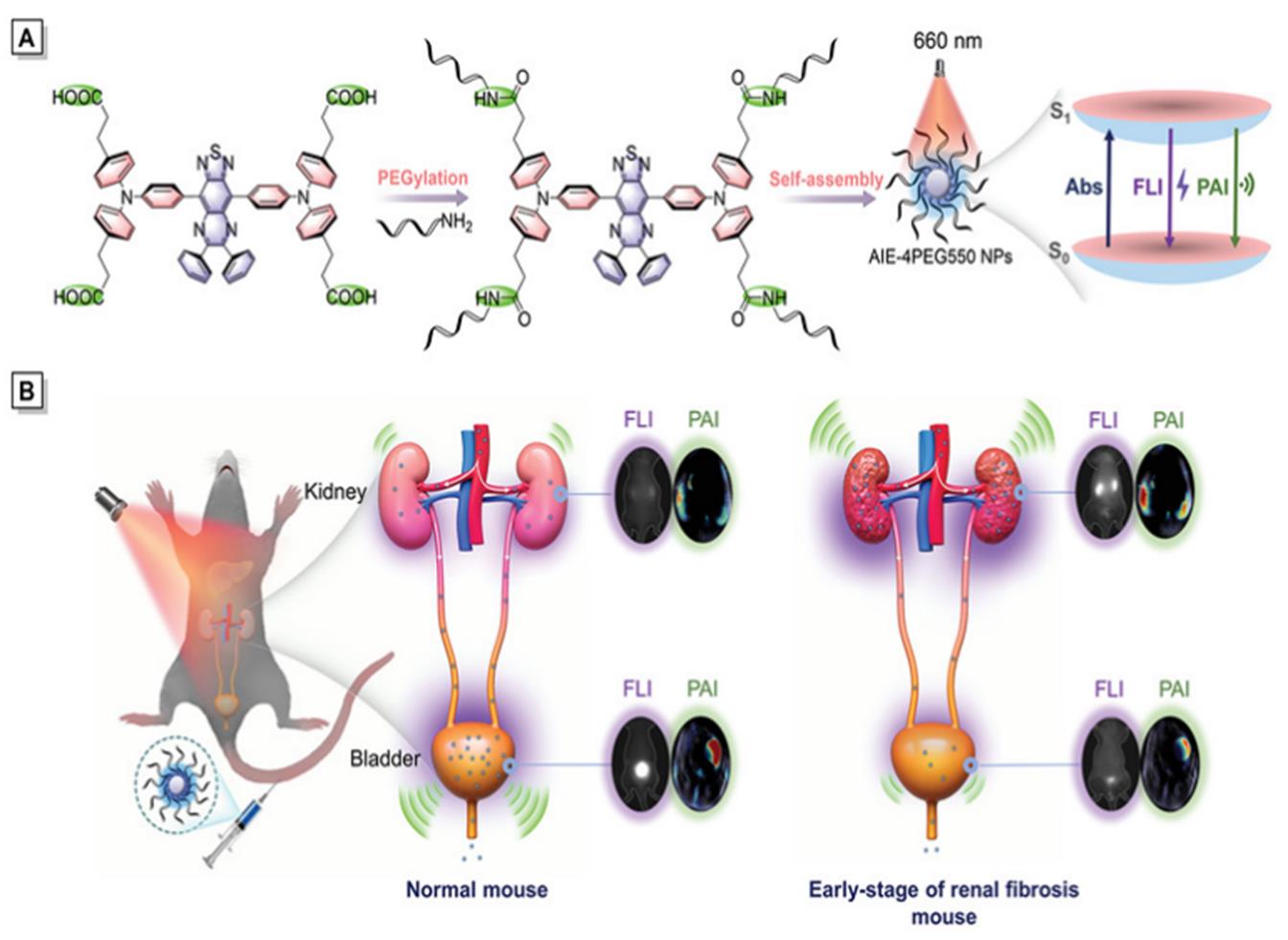
Fig.9 Molecular Design Concept of Self⁃assembled AIE⁃4PEG550 NPs and Its Application in Imaging of Mouse Renal Fibrosis[90]Copyright 2022, Wiley‐VCH Verlag GmbH.
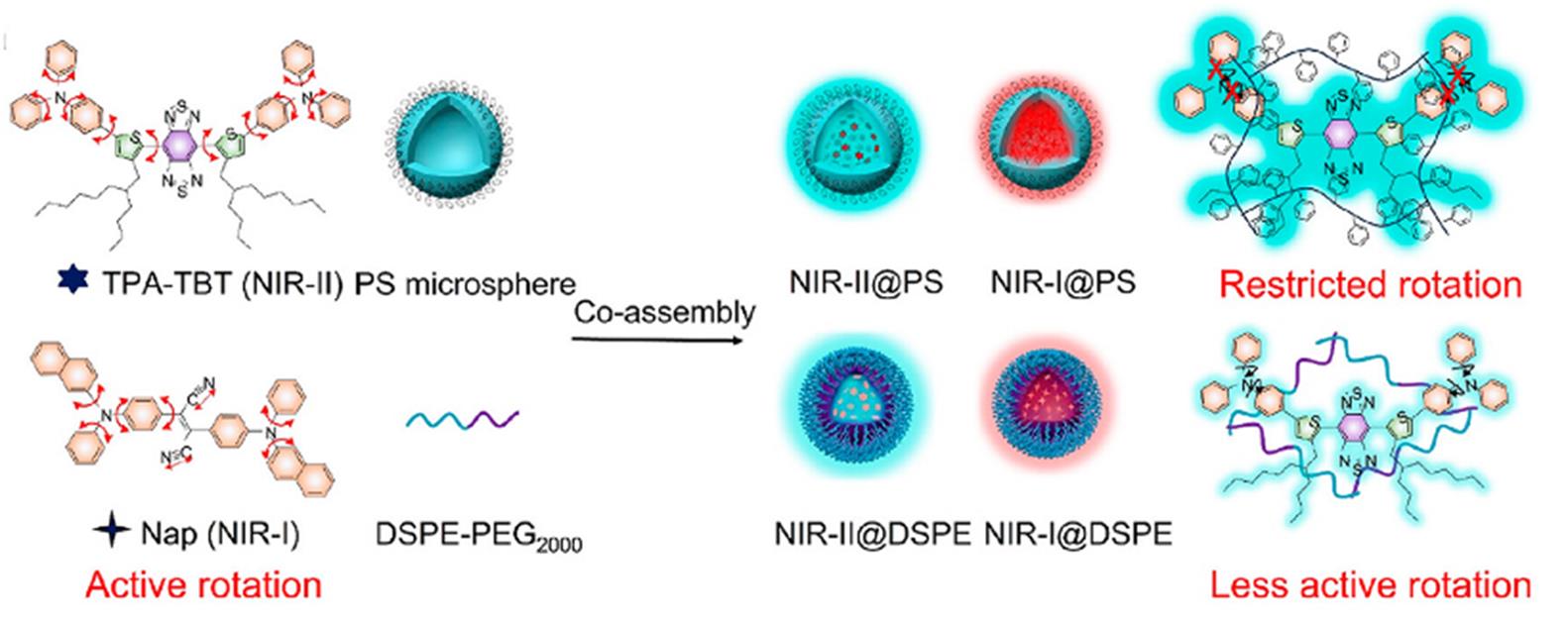
Fig.10 Preparation process of NIR⁃II@PS[92]Copyright 2025, American Chemical Society.
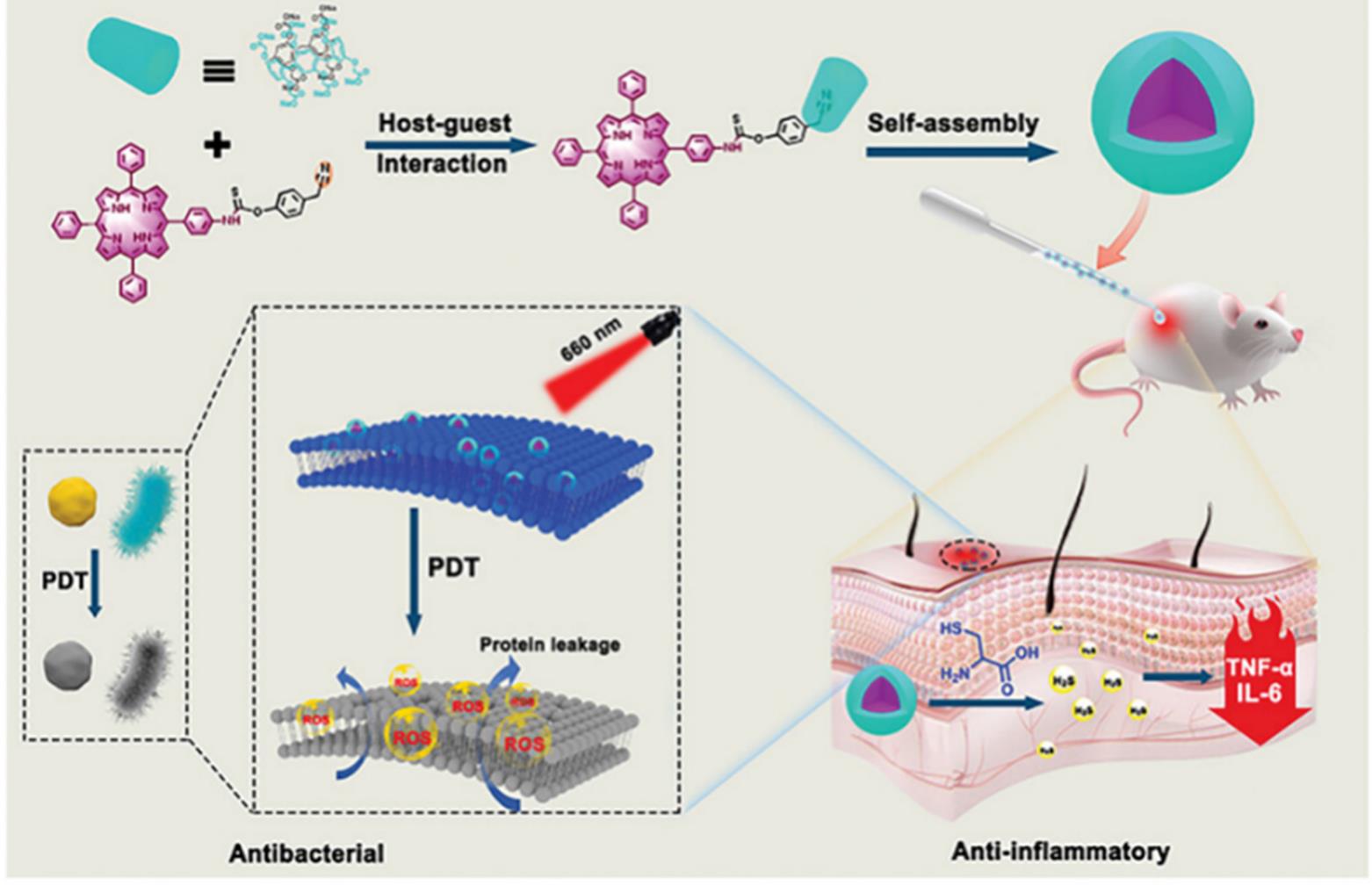
Fig.11 Schematic diagram of the supramolecular porphyrin photosensitizer TPP⁃CN/CP5 NPs and its antibacterial and anti⁃inflammatory activities[94]Copyright 2023, Wiley‐VCH GmbH.
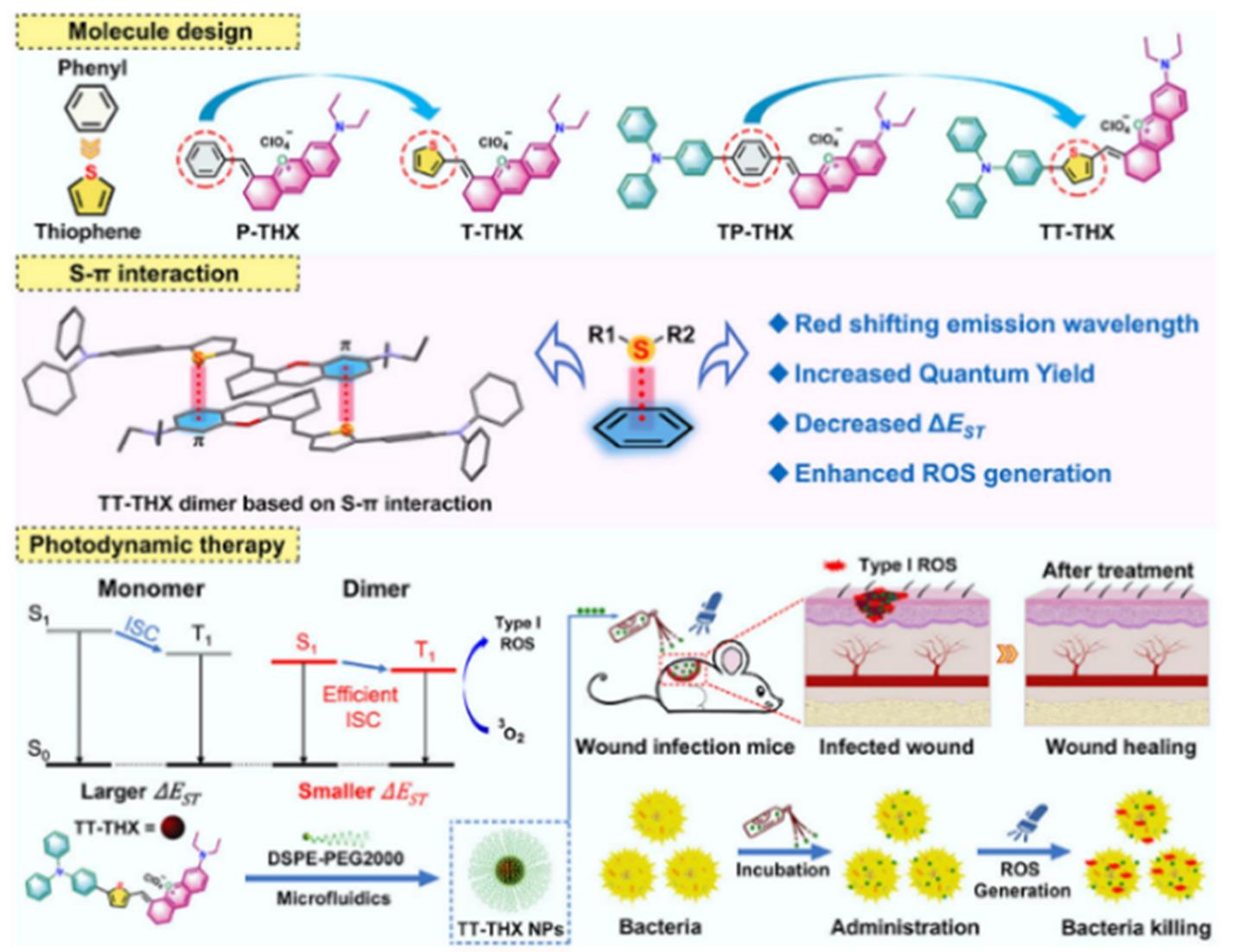
Fig.12 Molecular design strategies, S—π interactions, and the schematic diagram of PDT[96]Copyright 2025, WILEY‐VCH Verlag GmbH
| [1] | Grzybowski A., Pietrzak K., Clin. Dermatol., 2012, 30(4), 451—455 |
| [2] | Nguyen V. N., Zhao Z., Tang B. Z., Yoon J., Chem. Soc. Rev., 2022, 51(9), 3324—3340 |
| [3] | Zheng Q. Y., Liu X. M., Zheng Y. F., Yeung K. W. K., Cui Z. D., Liang Y. Q., Li Z. Y., Zhu S. L., Wang X. B., Wu S. L., Chem. Soc. Rev., 2021, 50(8), 5086—5125 |
| [4] | Kim H., Lee Y. R., Jeong H., Lee J., Wu X. F., Li H. D., Yoon J., Smart Molecules, 2023, 1(1), e20220010 |
| [5] | Hecht J., Opt. Eng., 2010, 49(9), 091002 |
| [6] | Wu X. F., Hu J. J., Yoon J., Angew. Chem. Int. Ed., 2024, 63(18), e202400249 |
| [7] | Wei K., Wu Y. X., Zheng X., Ouyang L., Ma G. P., Ji C. D., Yin M. Z., Angew. Chem. Int. Ed., 2024, 63(23), e202404395 |
| [8] | Tian J., Huang B. X., Nawaz M. H., Zhang W. A., Coord. Chem. Rev., 2020, 420, 213410 |
| [9] | Zhao X. Z., Liu J. P., Fan J. L., Chao H., Peng X. J., Chem. Soc. Rev., 2021, 50(6), 4185—4219 |
| [10] | Lee K. W., Wan Y. P., Huang Z. M., Zhao Q., Li S. L., Lee C. S., Adv. Mater., 2023, 36(17), 2306492 |
| [11] | Xu L. Z., Zhang Q., Wang X., Lin W. Y., Coord. Chem. Rev., 2025, 543, 216910 |
| [12] | Yuan X., Zhou J. L., Yuan L., Fan J. L., Yoon J., Zhang X. B., Peng X. J., Tan W. H., Sci. China Chem., 2025, 68(3), 826—865 |
| [13] | Kim M. M., Darafsheh A., Photochem. Photobiol., 2020, 96(2), 280—294 |
| [14] | Correia J. H., Rodrigues J. A., Pimenta. S., Dong T., Yang Z. C., Pharmaceutics, 2021, 13(9), 1332 |
| [15] | Agostinis P., Berg K., Cengel K. A., Foster T. H., Girotti A. W., Gollnick S. O., Hahn S. M., Hamblin M. R., Juzeniene A., Kessel D., Korbelik M., Moan J., Mroz P., Nowis D., Piette J., Wilson B. C., Golab J., CA Cancer J. Clin., 2011, 61(4), 250—281 |
| [16] | Yoon I., Li J. Z., Shim Y. K., Clin. Endosc., 2013, 46(1), 7—23 |
| [17] | Yano T., Uozumi T., Kawamoto K., Mukada K., Onda J., Ito A., Fujimoto N., Laser. Surg. Med., 1991, 11(2), 174—182 |
| [18] | Teng K. X., Niu L. Y., Li J. H., Zhang D. S., Yang Q. Z., Angew. Chem. Int. Ed., 2025, 64(30), 202509416 |
| [19] | Obaid G., Celli J. P., Broekgaarden M., Bulin A. L., Uusimaa P., Pogue B., Hasan T., Huang H. C., Nat. Rev. Bioeng., 2024, 2(9), 752—769 |
| [20] | Nestoros E., Sharma A., Kim E., Kim J. S., Vendrell M., Nat. Rev. Chem., 2024, 9(1), 46—60 |
| [21] | Xia Q. M., Zhang Y. Y., Li Y. L., Li Y. R., Li Y. X., Feng Z., Fan X. X., Qian J., Lin H., Aggregate, 2022, 3(1), e152 |
| [22] | Yaraki M. T., Liu B., Tan Y. N., Nano⁃Micro Lett., 2022, 14(1), 123 |
| [23] | Liao P. Y., Wang X. R., Gao Y. H., Zhang X. H., Zhang L. J., Song C. H., Zhang D. P., Yan Y. J., Chen Z. L., Bioorg. Med. Chem., 2016, 24(22), 6040—6047 |
| [24] | Chen J. J., Hong G., Gao L. J., Liu T. J., Cao W. J., J. Cancer Res. Clin. Oncol., 2015, 141(9), 1553—1561 |
| [25] | Horiuchi H., Hosaka M., Mashio H., Terata M., Ishida S., Kyushin S., Okutsu T., Takeuchi T., Hiratsuka H., Chem. Eur. J., 2014, 20(20), 6054—6060 |
| [26] | Lash T. D., Gandhi V., J. Org. Chem., 2000, 65(23), 8020—8026 |
| [27] | Brunner H., Obermeier H., Angew. Chem. Int. Ed., 1994, 33(21), 2214—2215 |
| [28] | de Oliveira K. T., de Assis F. F., Ribeiro A. O., Neri C. R., Fernandes A. U., Baptista M. S., Lopes N. P., Serra O. A., Iamamoto Y., J. Org. Chem., 2009, 74(20), 7962—7965 |
| [29] | Bıyıklıoğlu Z., Kantekin H., Synth. Met., 2011, 161(11/12), 943—948 |
| [30] | Sun Y., Yan X. K., Wu Q., Zhang F., Pei Y., Su H. F., Huang W. B., He Z. K., Zhu D. X., Yan D. Y., Wang D., Tang B. Z., Adv. Funct. Mater., 2025, 35(46), 2508014 |
| [31] | Wang Z. W., Zhang L. P., Wu Z. H., Xiao N., Zheng W. X., Wang Y. C., Xu G. L., Zhu D. X., Bryce M. R., Ren L. J., Tang B. Z., Adv. Sci., 2025, 12(47), e15079 |
| [32] | Wu Z. H., Zhang L. P., Wang Z. W., Liu S. N., Zhang Q. H., Shi C. G., Wang Y. C., Xu G. L., Zhu D. X., Bryce M. R., Ren L. J., Tang B. Z., Adv. Mater., 2025, 37(39), 2503599 |
| [33] | Karges J., Heinemann F., Jakubaszek M., Maschietto F., Subecz C., Dotou M., Vinck R., Blacque O., Tharaud M., Goud B., Viñuelas Zahınos. E., Spingler B., Ciofini I., Gasser G., J. Am. Chem. Soc., 2020, 142(14), 6578—6587 |
| [34] | Feng T., Tang Z. X., Karges J., Shu J., Xiong K., Jin C. Z., Chen Y., Gasser G., Ji L. N., Chao H., Chem. Sci., 2024, 15(18), 6752—6762 |
| [35] | Luo Y. L., Cao B., Zhong M. J., Liu M. Y., Xiong X. L., Zou T. T., Angew. Chem. Int. Ed., 2022, 61(45), e202212689 |
| [36] | Su X. X., Wang W. J., Cao Q., Zhang H., Liu B., Ling Y. Y., Zhou X. T., Mao Z. W., Angew. Chem. Int. Ed., 2022, 61(8), e202115800 |
| [37] | Zhang J., Ma J. S., Zhang S. Y., Lou X. Y., Ding Y. S., Li Y., Xu M. M., Xie X. L., Jiao X. Y., Dou X. Y., Wang X., Tang B., ACS Nano, 2023, 17(23), 23430—23441 |
| [38] | Yuan Y. Y., Zhang C. J., Kwok R. T. K., Xu S. D., Zhang R. Y., Wu J. E., Tang B. Z., Liu B., Adv. Funct. Mater., 2015, 25(42), 6586—6595 |
| [39] | Hu F., Huang Y. Y., Zhang G. X., Zhao R., Yang H., Zhang D. Q., Anal. Chem., 2014, 86(15), 7987—7995 |
| [40] | Chen K. Q., He P., Wang Z. M., Tang B. Z., ACS Nano, 2021, 15(4), 7735—7743 |
| [41] | Zhuang Z. Y., Li J. Q., Shen P. C., Zhao Z. J., Tang B. Z., Aggregate, 2024, 5(4), e654 |
| [42] | Plekhova N., Shevchenko O., Korshunova O., Stepanyugina A., Tananaev I., Apanasevich V., Bioengineering, 2022, 9(2), 82 |
| [43] | Sai D. L., Lee J., Nguyen D. L., Kim Y. P., Exp. Mol. Med., 2021, 53(4), 495—504 |
| [44] | Li G. Y., Wang C., Jin B. H., Sun T., Sun K., Wang S., Fan Z., Cell Death Discov., 2024, 10(1), 466 |
| [45] | Zhang J., Xu W., Sheng P., Zhao G. Y., Zhu D. B., Acc. Chem. Res., 2017, 50(7), 1654—1662 |
| [46] | Roy M. M. D., Rivard E., Acc. Chem. Res., 2017, 50(8), 2017—2025 |
| [47] | Wu J. R., Wu G. X, Li D. X., Yang Y. W., Angew. Chem. Int. Ed., 2023, 62(14), e202218142 |
| [48] | Loudet A., Burgess K., Chem. Rev., 2007, 107(11), 4891—4932 |
| [49] | Kolemen S., Akkaya E. U., Coord. Chem. Rev., 2018, 354, 121—134 |
| [50] | Lyu Y., Li J. C., Pu K., Small Methods, 2019, 3(11), 1900553 |
| [51] | Xiong Y., Rao Y., Hu J. W., Luo Z. X., Chen C., Adv. Mater., 2023, 37(31), 2305140 |
| [52] | Kim H., Lee Y. R., Jeong H., Lee J., Wu X. F., Li H. D., Yoon J., Smart Molecules, 2023, 1(1), e20220010 |
| [53] | Ma S., Lyu M. Y., Zhang C. T., Liu Y., 2025, 46(1), 20240467 |
| 马爽, 吕明杨, 张赐童, 刘轶. 高等学校化学学报, 2025, 46(1), 20240467 | |
| [54] | Santos E. D., Nogueira K. A. B., Fernandes L. C. C., Martins J. R. P., Reis A. V. F., Neto J. D. V., da Silva I. J. D. Jr., Pessoa C., Petrilli R. l., Eloy J. O., Int. J. Pharm., 2021, 592, 120082 |
| [55] | Jia H. L., Fang C. H., Zhu X. M., Ruan Q. F., Wang Y. X. J., Wang J. F., Langmuir, 2015, 31(26), 7418—7426 |
| [56] | Sánchez⁃Iglesias A., Winckelmans N., Altantzis T., Bals S., Grzelczak M., Liz⁃Marzán L. M., J. Am. Chem. Soc., 2017, 139(1), 107—110 |
| [57] | Liu Y. J., Bhattarai P., Dai Z. F., Chen X. Y., Chem. Soc. Rev., 2019, 48(7), 2053—2108 |
| [58] | Jung H. S., Verwilst P., Sharma A., Shin J., Sessler J. L., Kim J. S., Chem. Soc. Rev., 2018, 47(7), 2280—2297 |
| [59] | Zhang X., Wang S., Cheng G. H., Yu P., Chang J., Engineering, 2022, 13, 18—30 |
| [60] | Mei L., Zhang Y. F., Wang K. X., Chen S. J., Song T., Mater. Today Bio, 2024, 29, 101354 |
| [61] | Xie Z. J., Fan T. J., An J., Choi W., Duo Y. H., Ge Y. Q., Zhang B., Nie G. H., Xie N., Zheng T. T., Chen Y., Zhang H., Kim J. S., Chem. Soc. Rev., 2020, 49(22), 8065—8087 |
| [62] | Wang Y. W., Ma K., Kang M. M., Yan D. Y., Niu N., Yan S. S., Sun P. P., Zhang L. Z., Sun L. J., Wang D., Tan H., Tang B. Z., Chem. Soc. Rev., 2024, 53(24), 12014—12042 |
| [63] | Overchuk M., Weersink R. A., Wilson B. C., Zheng G., ACS Nano, 2023, 17(9), 7979—8003 |
| [64] | Zhang Z. J., Kang M. M., Tan H., Song N., Li M., Xiao P. H., Yan D. Y., Zhang L. P., Wang D., Tang B. Z., Chem. Soc. Rev., 2022, 51(6), 1983—2030 |
| [65] | Zhang Z. Y., Du Y., Shi X. J., Wang K., Qu Q. J., Liang Q., Ma X. P. He K. S., Chi C. W., Tang J. Q., Liu B., Ji J. F., Wang J., Dong J. H., Hu Z. H., Tian J., Nat. Rev. Clin. Oncol., 2024, 21(6), 449—467 |
| [66] | Yan D. Y., Li Z., Lee M. M. S., Tang B. Z., Wang D., Angew. Chem. Int. Ed., 2024, 63(51), e202414259 |
| [67] | He L., Li Y., Zhang C. H., Zhang X. X., Wang B. H., Ren T. B., Yuan L., Coord. Chem. Rev., 2025, 533, 216549 |
| [68] | Liu W. K., Lv C. Y., Hou Y. X., Lou X., Ma Z. Y., He M. M., Zeng X. L., Sun W., Fan J. L., Peng X. J., Sci. China Chem., 2025, 68(10), 5065—5073 |
| [69] | Yin C., Lu X. M., Fan Q. L., Huang W., View, 2021, 2(1), e88 |
| [70] | Liu B., Li C. X., Cheng Z. Y., Hou Z. Y., Huang S. S., Lin J., Biomater. Sci., 2016, 4(6), 890—909 |
| [71] | Bassam A., Du M. X., Li Y., He X. J., Responsive Mater., 2025, 3(1), e20240031 |
| [72] | Liu Y. P., Wang H., Qu S. N., Chin. Chem. Lett., 2025, 36(5), 110618 |
| [73] | Shen J. C., He W., Coord. Chem. Rev., 2023, 483, 215096 |
| [74] | Wu C. S., Wu Y. H., Zhu X. H., Zhang J., Liu J. L., Zhang Y., Nano Today, 2021, 36, 100963 |
| [75] | Meng D., Zheng R., Zhao Y. P., Zhang E., Dou L. T., Yang Y., Adv. Mater., 2022, 34(10), 2107330 |
| [76] | Shinn J., Lee S., Lee H. K., Ahn J., Lee S. A., Lee S., Lee Y., Arch. Pharm. Res., 2021, 44(2), 165—181 |
| [77] | Jiang Y. Y., Pu K. Y., Small, 2017, 13(30), 1700710 |
| [78] | Wang L. C., Li N., Wang W. L., Mei A. Q., Shao J. J., Wang W. J., Dong X. C., ACS Nano, 2024, 18(6), 4683—4703 |
| [79] | Dai Y., Sun J. F., Zhang X., Zhao J. Z., Yang W. Z., Zhou J., Gao Z. Z., Wang Q., Yu F. B., Wang B., Coord. Chem. Rev., 2024, 517, 216054 |
| [80] | Dai Y., Sun J. F., Fang L., Zhao J. Z., Yu F. B., Wang B., Coord. Chem. Rev., 2026, 547, 217121 |
| [81] | Guo B., Huang Z. M., Shi Q., Middha E., Xu S. D., Li L., Wu M., Jiang J. W., Hu Q. L., Fu Z. W., Liu B., Adv. Funct. Mater., 2019, 30(5), 1907093 |
| [82] | Yan D. Y., Zhang Z. J., Zhang J. Y., Li X., Wu Q., Gui Y. X., Zhu J., Kang M. M., Chen X. H., Tang B. Z., Wang D., Angew. Chem. Int. Ed., 2024, 63(26), e202401877 |
| [83] | Gong Z. C., Kang G. B., Cao Y., Pan J. C., Rong X. J., Du X. B., Zhang D. P., Huang H., Meng S. X., Adv. Sci., 2025, 12(27), 2501468 |
| [84] | He Z. Y., Gao Y. T., Huang Z., Zhan M. L., Tian S. D., Fang F., Zhao D., Li Z. A., Meng F. L., Tang B. Z., Luo L., ACS Nano, 2025, 19(10), 10220—10231 |
| [85] | Ye W. Q., Lu H., Chen W. J., Li N. J., Zhang Y., Wang L. H., Li J., Zhu Y., Li M. Q., Fan C. H., Jia S. S., Chen J., 2025, 46(8), 20250100 |
| 叶伟卿, 逯慧, 陈婉京, 李宁静, 张瑜, 王丽华, 李江, 诸颖, 李明强, 樊春海, 贾思思, 陈静. 高等学校化学学报, 2025, 46(8), 20250100 | |
| [86] | Li X., Ou X. W., Yang Z. M., Kang M. M, Xu W. L, Li D. X., Kwok R. T. K., Lam J. W. Y., Zhang Z. J., Wang D., Tang B. Z., Adv. Mater., 2025, 37(14), 2416590 |
| [87] | Jiang Z. L., Wen B., Huang Y. H., Wang Y. Z., Fang H. Y., Li F. J., J. Am. Chem. Soc., 2025, 147(13), 10992—10998 |
| [88] | You C. F., Tian L. Y., Zhu J., Wang L., Tang B. Z., Wang D., J. Am. Chem. Soc., 2025, 147(2), 2010—2020 |
| [89] | Ruan Z., Zhao Y. Y., Yuan P., Liu L., Wang Y. C., Yan L. F., J. Mater. Chem. B, 2018, 6(5), 753—762 |
| [90] | Yan D. Y., Li T. T., Yang Y. L., Niu N., Wang D. L., Ge J. Y., Wang L., Zhang R. P., Wang D., Tang B. Z., Adv. Mater., 2022, 34(50), 2206643 |
| [91] | Kang Y. F., Chen W. K., Teng K. X., Wang L. Y., Xu X. C., Niu L. Y., Cui G. L, Yang Q. Z., CCS Chem., 2022, 4(11), 3516—3528 |
| [92] | Xu H. H., Yuan L. S., Shi Q. K., Tian Y., Hu F., Nano Lett., 2024, 24(4), 1367—1375 |
| [93] | Zhou J., Yu G. C., Huang F. H., Chem. Soc. Rev., 2017, 46(22), 7021—7053 |
| [94] | Tian J., Huang B. X., Xia L., Zhu Y. C., Zhang W. A., Adv. Sci., 2024, 11(9), 2305183 |
| [95] | Ho P. C., Wang J. Z., Meloni F., Ignacio V. B. L., Coord. Chem. Rev., 2020, 422, 213464 |
| [96] | Wen H. F., Deng Z. W., Dong R. H., Zhang Z. C., Chen X. M., Alfani G. A., Wang W. J., Qiu Z. J., Alam P., Zhao Z., Tang B. Z., Adv. Funct. Mater., 2025, 35(46), 2508015 |
| [1] | 梁繁繁, 韩丽, 蔡文生, 邵学广. 近红外光谱用于DMSO衍生物抗冻过程中水结构分析[J]. 高等学校化学学报, 2025, 46(2): 20240424. |
| [2] | 张振宇, 汪国平. 基于钙钛矿单晶片表面周期性结构的高性能近红外光探测器[J]. 高等学校化学学报, 2024, 45(12): 20240347. |
| [3] | 刘玲, 姬发, 余林玲, 孙彦. 高效黏膜穿透的近红外光驱动的黏惰性纳米马达[J]. 高等学校化学学报, 2023, 44(6): 20220759. |
| [4] | 王岩, 蔡文生, 邵学广. 近红外光谱用于低共熔溶剂中水结构的分析[J]. 高等学校化学学报, 2023, 44(6): 20230017. |
| [5] | 刘苗, 刘瑞波, 刘巴蒂, 钱鹰. 溶酶体靶向吲哚氟硼二吡咯光敏剂的合成、 双光子荧光成像及光动力治疗[J]. 高等学校化学学报, 2022, 43(10): 20220326. |
| [6] | 赵洪涛, 孙岩, 郭一畅, 蔡文生, 邵学广. 近红外光谱用于低温水结构的分析[J]. 高等学校化学学报, 2020, 41(9): 1968. |
| [7] | 宋文植, 李慧, 张艳, 何丹, 李英姿, 黄臻臻, 刘新, 尹万忠. 具有近红外光热转换性能的双层氧化硅包覆金纳米花复合材料的制备及体内代谢研究[J]. 高等学校化学学报, 2018, 39(12): 2644. |
| [8] | 张福东, 刘杰, 王智宏. 基于最小二乘支持向量机的油页岩含油率近红外光谱分析[J]. 高等学校化学学报, 2016, 37(10): 1792. |
| [9] | 徐冰, 罗赣, 林兆洲, 艾路, 史新元, 乔延江. 基于过程分析技术和设计空间的金银花醇沉加醇过程终点检测[J]. 高等学校化学学报, 2013, 34(10): 2284. |
| [10] | 李鹏, 张恒军, 朱东霞, 单国刚, 廖奕, 苏忠民. 酚基嘧啶铍(Ⅱ)配合物的合成及光电性质[J]. 高等学校化学学报, 2012, 33(09): 2056. |
| [11] | 宁宇, 蔡文生, 邵学广. 巯基微球富集用于近红外光谱同时定量分析微量汞(Ⅱ)和银(Ⅰ)离子[J]. 高等学校化学学报, 2012, 33(04): 673. |
| [12] | 高俊珊, 石铁铮, 赵庆环, 杜锡光, 张海黔. 新型不对称镍酞菁的合成、表征及光电性质[J]. 高等学校化学学报, 2010, 31(8): 1585. |
| [13] | 戴富才, 常菲, 任同祥, 孙宝云. 内包金属富勒烯衍生物La@C82-(C4N2H8)mHn的合成与表征[J]. 高等学校化学学报, 2010, 31(10): 1976. |
| [14] | 徐可, 相玉红, 代荫梅, 张卓勇. 近红外光谱技术结合主成分分析法用于子宫内膜癌的诊断[J]. 高等学校化学学报, 2009, 30(8): 1543. |
| [15] | 高文骥, 袁洪福, 邱藤, 李效玉. 原位实时近红外光谱研究核壳乳液聚合过程[J]. 高等学校化学学报, 2009, 30(7): 1293. |
| 阅读次数 | ||||||
|
全文 |
|
|||||
|
摘要 |
|
|||||
